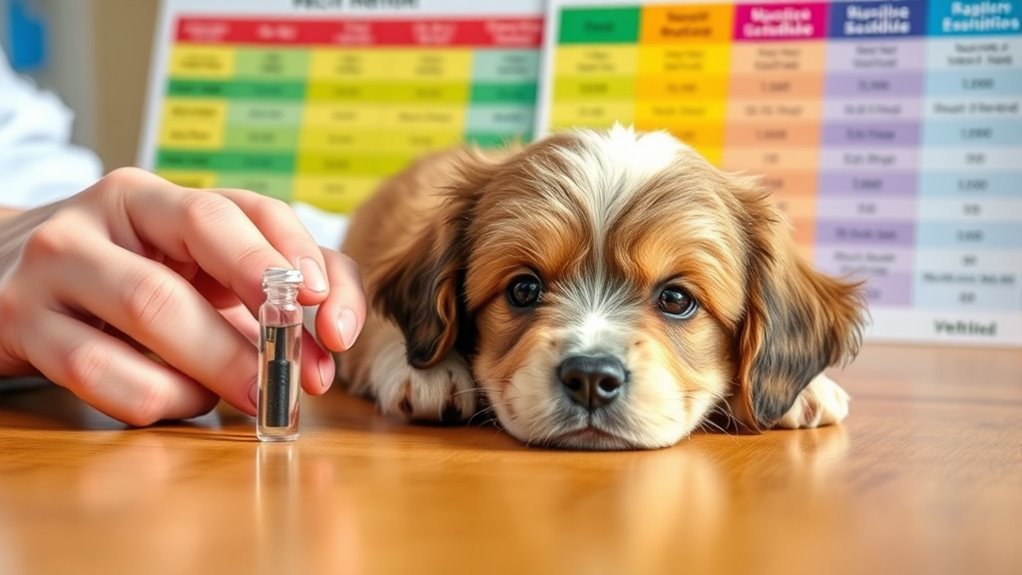

As a puppy owner, it’s important to know that vaccination exemptions and titer testing laws vary by location. Some areas allow medical or religious exemptions, but others don’t, making it vital to understand local rules. Titer tests can show your puppy’s immunity, but they aren’t accepted everywhere and may not replace vaccines legally. To make responsible decisions that keep your pup and community safe, understanding these legal nuances is essential—there’s more to consider as you explore your options.

Get pet supplies delivered free with Prime
- Fast, free delivery on millions of items
- Prime Video, Amazon Music and more included
- Member-only deals all year
Key Takeaways
- Vaccination exemption policies vary by region and may require legal or medical documentation.
- Titer testing measures antibody levels as an alternative to routine vaccinations but isn’t universally accepted.
- Local laws determine if puppies can legally skip vaccines or rely on titer tests for activities like boarding.
- Some areas require proof of vaccination for pet access to kennels, parks, or grooming services, affecting exemptions.
- Consult your veterinarian and local regulations to make informed, compliant decisions about puppy vaccination plans.

Vaccination exemptions and titer testing offer alternative options for individuals who cannot or choose not to receive standard vaccines. As a puppy owner, it’s important to understand that these options come with their own set of legal considerations and ethical debates. While exemptions—such as medical or religious reasons—may be granted in some regions, they’re not universally accepted everywhere. Laws vary by state or country, and you need to be aware of local regulations that determine whether your puppy can skip mandatory vaccines without facing penalties or restrictions. For example, some areas require proof of vaccination for access to kennels, dog parks, or grooming services, meaning exemptions might limit your options or complicate your plans.
Titer testing is often presented as an alternative to traditional vaccination, measuring your puppy’s antibody levels to determine if they already have sufficient immunity. This option appeals to pet owners concerned about over-vaccination or potential adverse reactions. However, the use of titer testing isn’t without its own legal and ethical issues. Legally, some jurisdictions may not recognize titer tests as an adequate substitute for vaccines, especially if local regulations mandate specific vaccinations for licensing or boarding. Ethically, you might grapple with the dilemma of whether it’s responsible to rely solely on antibody levels instead of following the standard vaccination schedule designed to protect the broader community and other pets. Some argue that titer testing can reduce unnecessary vaccinations, but others worry it might leave gaps in immunity if tests are not exhaustive or if certain diseases aren’t covered by antibody presence alone.
Additionally, understanding the scientific inquiry into how vaccines and immunity work can help inform your decision-making process. Balancing these considerations requires you to stay informed about your local laws and the scientific consensus. Consult with your veterinarian about the legal acceptability of exemptions and titer testing in your area. They can help you weigh the risks and benefits, considering your puppy’s health, the potential for disease exposure, and community health standards. You’ll also need to think about the ethical implications of opting out of vaccines—whether it’s for personal beliefs, medical reasons, or concerns about vaccine safety. Ultimately, your goal should be to ensure your puppy’s well-being while respecting legal requirements and ethical responsibilities. Being well-informed helps you make responsible choices, protecting your pet and the community from preventable diseases.
As an affiliate, we earn on qualifying purchases.
Frequently Asked Questions
Can Titer Testing Replace All Core Vaccinations for Puppies?
Titer testing can’t replace all core vaccinations for puppies because its reliability varies and may not protect against all diseases. While alternatives to vaccination like titer testing can assess immunity levels, it’s not a guaranteed substitute, especially for high-risk pathogens. You should discuss with your veterinarian whether titer testing is suitable for your puppy’s specific needs or if combining it with core vaccines offers the best protection.
Are There Age Restrictions for Titer Testing in Puppies?
Like planting seeds at the right time, age-specific testing is essential for puppies. Generally, there’s an age window, often around 12 to 16 weeks, when titer testing yields accurate insights into their immune development. Testing too early might not give reliable results because puppies’ immune systems are still maturing. Always consult your vet to determine the best age for titer testing, ensuring your puppy’s health is properly assessed.
What Are the Costs Associated With Titer Testing?
The costs for titer testing generally range from $75 to $150 per test, depending on your vet and location. You should compare prices to find a cost-effective option. The testing procedures involve a simple blood draw, which measures antibody levels to determine if your puppy needs vaccinations. While it can be an upfront expense, it might save you money long-term by avoiding unnecessary vaccines and ensuring your pup’s health.
How Often Should Titer Tests Be Repeated?
Wondering how often you should schedule your puppy’s titer tests? Typically, testing intervals depend on the initial results and your vet’s advice, but most experts recommend re-testing every one to three years. Remember, titer test accuracy can vary, so your vet might suggest more frequent testing if immunity levels fluctuate. Stay vigilant—regular testing guarantees your puppy’s health stays protected and gives you peace of mind.
Do Vaccination Exemptions Affect Puppy Insurance Coverage?
Vaccination exemptions can impact your puppy’s insurance coverage, as some insurance policies may exclude or limit coverage for unvaccinated pets due to legal exemptions. You should review your policy carefully to understand how exemptions are handled. It’s important to communicate with your insurer about your puppy’s vaccination status and any legal exemptions, ensuring you’re aware of potential coverage gaps and making informed decisions to protect your pet.
Conclusion
Understanding vaccination exemptions and titer testing helps you make informed choices for your puppy’s health. Did you know that over 60% of dog owners now consider titer testing as a viable alternative to traditional vaccinations? By staying informed, you can better protect your furry friend while respecting their unique needs. Always consult your veterinarian to determine the best approach, ensuring your puppy stays happy, healthy, and protected for years to come.
Halloween Picks
halloween
As an affiliate, we earn on qualifying purchases.