To teach your dog polite greetings, focus on consistent positive reinforcement. When your dog approaches calmly and keeps all paws on the ground, reward them with treats or praise. Avoid reaching or leaning over, which can excite them more. Instead, keep your posture relaxed and reward calm behavior. Redirect jumping with commands like “sit” or “settle,” and make sure everyone interacts the same way. Keep practicing, and you’ll see progress—you’ll find more helpful tips if you continue exploring this topic.

Get pet supplies delivered free with Prime
- Fast, free delivery on millions of items
- Prime Video, Amazon Music and more included
- Member-only deals all year
Key Takeaways
- Reward your dog for calm, seated greetings using treats or praise to reinforce polite behavior.
- Avoid reaching over or leaning toward your dog; adopt a calm, sideways posture during greetings.
- Redirect jumping by commanding commands like “sit” or “settle,” rewarding compliance to encourage calmness.
- Establish a routine where visitors ignore the dog until it is calm and seated, reinforcing patience and self-control.
- Consistently reinforce polite greetings and ignore jumping behaviors to help your dog learn appropriate ways to greet people.
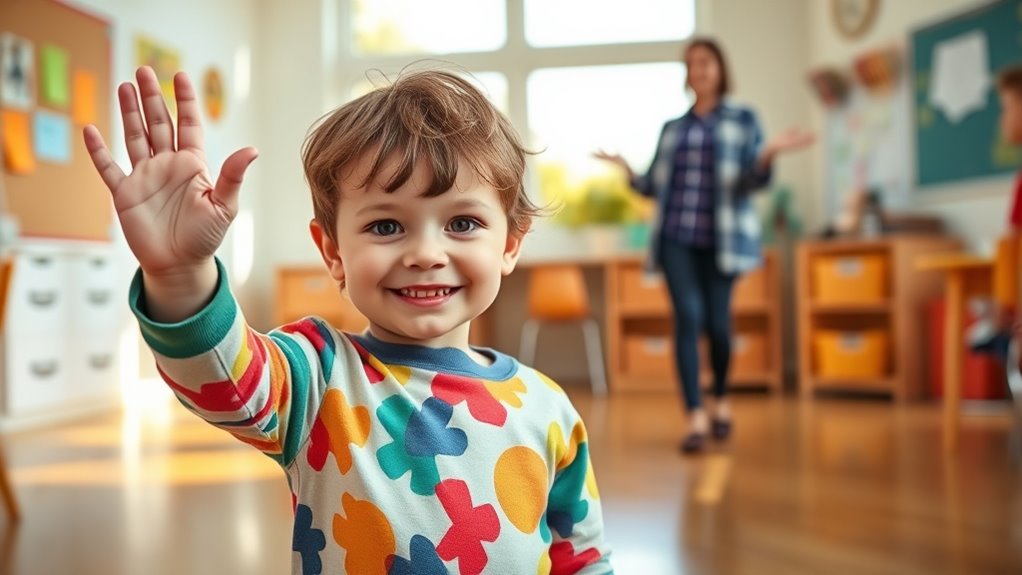
Ever wondered why your dog suddenly jumps up? It’s a common behavior, often rooted in excitement, anticipation, or learned habits. To address this, you need to understand how positive reinforcement and appropriate gestures play a vital role in teaching your dog polite greetings. Instead of punishing your dog when they jump, focus on rewarding the behavior you want. When your dog approaches calmly, use treats or praise to reinforce that calm attitude. This way, you’re encouraging your dog to repeat the behavior you prefer, making training more effective and less stressful for both of you.
Using appropriate gestures is equally important. When greeting your dog, avoid reaching out aggressively or leaning over them, which can unintentionally encourage jumping. Instead, adopt a calm, non-threatening posture—kneel down to their level or turn sideways. These gestures signal that you’re approachable without overwhelming your dog. When your dog approaches calmly, reward them immediately with a gentle pet, a treat, or praise. Over time, they’ll learn that calm greetings earn positive attention, whereas jumping up doesn’t.
Consistency is key in training your dog to greet politely. Every time your dog leaps up, immediately redirect their attention to a more suitable behavior. For example, ask them to sit or settle down before giving affection or treats. When they comply, reward generously. This helps your dog associate calm behavior with positive outcomes, reinforcing their understanding of how to greet people politely. Remember, patience and repetition are essential—dogs learn through consistent cues and responses.
It’s also helpful to establish a clear routine during greetings. When visitors arrive, instruct them to ignore the dog until they’re calm and seated. This prevents reinforcing jumping behavior in the first place. When your dog approaches calmly, everyone can reward them with affection. Over time, your dog will recognize that polite greetings bring attention and treats, while jumping up doesn’t lead to the desired interaction.
A crucial aspect of training involves understanding behavior modification techniques, which can help in gradually reducing unwanted behaviors like jumping.
dog training treats for polite greetings
As an affiliate, we earn on qualifying purchases.
As an affiliate, we earn on qualifying purchases.
Frequently Asked Questions
How Can I Encourage Children to Remain Seated During Greetings?
To encourage children to stay seated during greetings, use positive reinforcement by praising them when they remain seated properly. Incorporate role-playing activities where kids practice polite greetings while seated, making it fun and engaging. Consistently remind them of the expected behavior and reward their efforts. Over time, this approach helps children understand the importance of sitting patiently, fostering good manners and self-control during greetings.
What Are Cultural Differences in Greeting Etiquette?
Cultural customs craft mesmerizing contrasts in greeting variations, showcasing diverse traditions worldwide. You should observe and adapt to these differences—like bowing in Japan, cheek kissing in France, or handshakes in the US—respecting each culture’s unique etiquette. By embracing these greeting variations, you foster respect and understanding, making interactions more meaningful. Remember, acknowledging cultural customs not only enriches communication but also creates a welcoming, warm environment for everyone involved.
How Do I Handle a Child Who Keeps Jumping Up?
You handle a child who keeps jumping up by using behavior management strategies and positive reinforcement. Gently but firmly, explain that sitting calmly is expected, and praise them when they do so. Offer rewards like praise or small treats for staying seated. Consistency is key—remind them regularly and reward good behavior. This approach helps them learn appropriate ways to show excitement without jumping up, fostering respectful interactions.
Are There Specific Age Groups More Prone to Jumping Up?
You might find that toddlers and preschoolers are the biggest culprits when it comes to jumping up, thanks to their rapid child development and limited grasp of social cues. At this stage, they’re still learning appropriate ways to greet others and can’t always read social signals. As they grow older, their understanding improves, making them less prone to jumping up. Your patience helps guide this important social skill development.
What Are Quick Tips for Teaching Polite Greetings Effectively?
You can teach polite greetings effectively by using role-playing activities that let kids practice real-life scenarios. Incorporate visual cue cards to help them recognize and remember proper greetings. Keep lessons fun and simple, encouraging kids to practice politely greeting peers and adults. Reinforce positive behavior with praise and repetition. This hands-on approach boosts confidence and helps children internalize polite greeting habits quickly and naturally.
Conclusion
Now that you know how to address jumping up politely, you’re well on your way to making a good impression. Remember, patience is key—sometimes you need to plant your feet firmly and hold your ground. With consistent practice and gentle reminders, you’ll see positive change. Keep in mind, change doesn’t happen overnight, but if you stay the course, you’ll turn the tide and create a more respectful, welcoming environment for everyone involved.
Halloween Picks
halloween
As an affiliate, we earn on qualifying purchases.