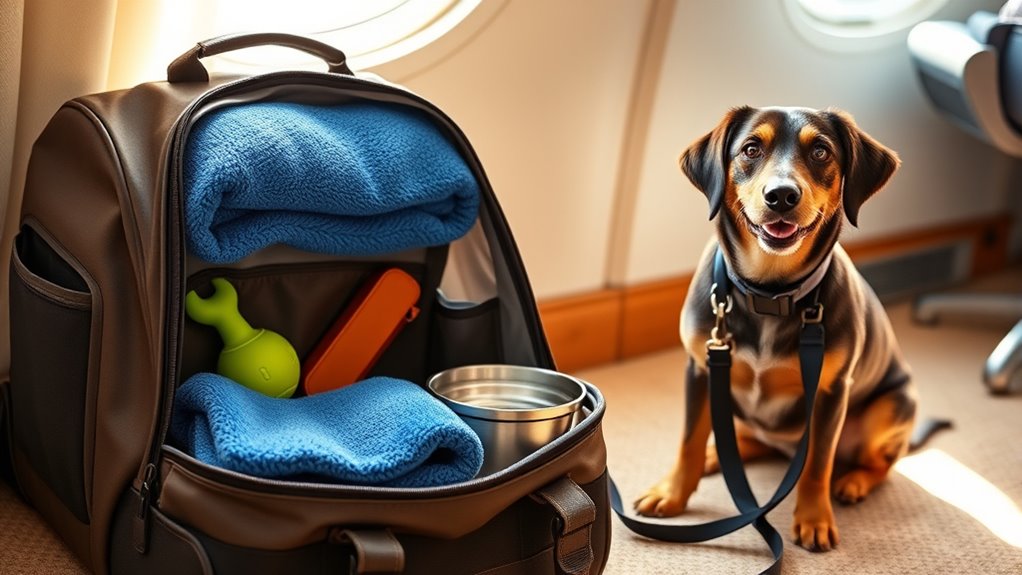

To prepare your dog for boarding, pack familiar items like a blanket or toy with your scent, enough food and treats, and any medications with clear instructions. Before drop-off, reinforce basic commands and make sure they’re comfortable with new routines. Discuss health needs with the facility, bring all necessary documentation, and stay calm during departure to reduce stress. If you keep these steps in mind, you’ll set your dog up for a safe and comfortable stay.

Get pet supplies delivered free — and shop member deals
- Fast, free delivery on millions of items
- Access to Prime Big Deal Days deals on October 6–7
- Prime Video, Amazon Music and more included
Key Takeaways
- Pack familiar items like a blanket, toy, or bed with owner’s scent to comfort your dog.
- Bring enough food, treats, and labeled medications for the entire stay, following feeding instructions.
- Ensure vaccinations are current and provide health records and emergency contact info to the facility.
- Conduct basic training and expose your dog gradually to new environments to reduce anxiety.
- Review the facility’s protocols and prepare your dog for a stress-free, safe boarding experience.
Preparing your dog for boarding can help reduce stress and guarantee a smooth passage. It’s essential to plan ahead, so your furry friend feels comfortable and secure in unfamiliar surroundings. One of the first steps is to review training tips that reinforce good behavior and independence. Basic commands like sit, stay, and come can boost your dog’s confidence and make interactions with staff smoother. If your dog tends to be anxious or reactive, gradually exposing them to new environments and routines can help ease their discomfort. Incorporate short training sessions that focus on positive reinforcement, so your dog associates staying calm with rewards. This not only encourages good behavior but also eases your mind knowing they’re better prepared for the separation. Additionally, understanding your dog’s comfort needs can significantly impact their overall experience during boarding.
Health considerations play a vital role in guaranteeing your dog’s well-being during their stay. Before boarding, schedule a visit to the veterinarian for a thorough check-up. Make sure vaccinations are current, as most facilities require proof of up-to-date shots to prevent the spread of illnesses. Discuss any health concerns, medications, or special needs with the staff at the boarding facility. Bring along any necessary medications, clearly labeled, along with detailed instructions. If your dog has allergies or sensitivities, inform the staff and provide them with appropriate food or treats to avoid reactions. Additionally, ask about the facility’s hygiene protocols and how they handle health emergencies. Making sure your dog is in good health before boarding minimizes risks and helps staff provide the best care possible. Being aware of the facility’s health and safety protocols can further ease your worries.
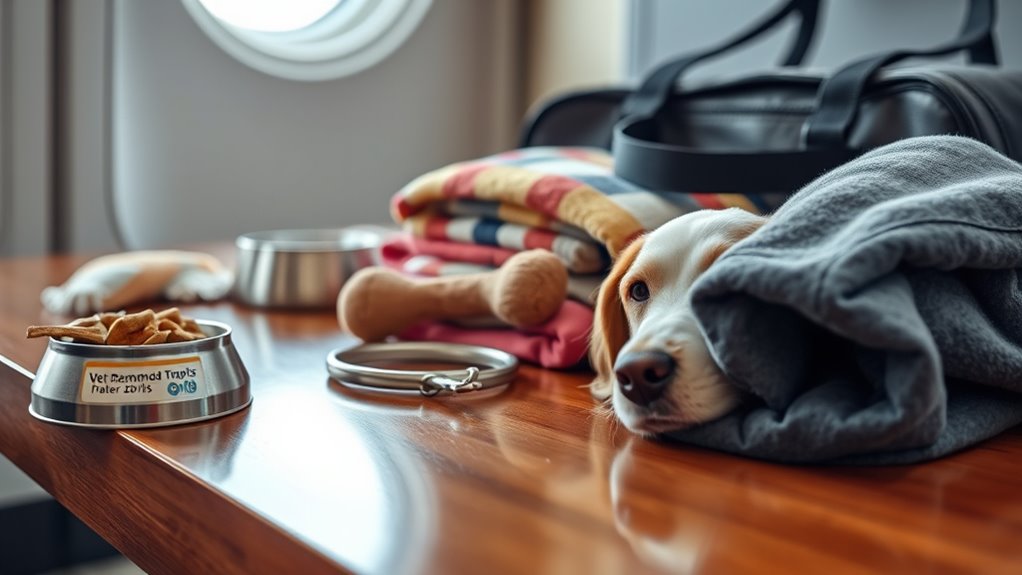
When preparing for the actual stay, consider what your dog will need to feel comfortable and safe. Pack familiar items like a favorite blanket, toy, or bed that carry your scent, which can soothe anxiety. Include enough food and treats for the entire duration, along with feeding instructions. It’s also helpful to bring a copy of your dog’s medical records and emergency contact information. Label all belongings clearly with your pet’s name to prevent mix-ups. Keep your departure brief and positive; avoid long goodbyes that might increase your dog’s stress. Remember, the more prepared you are with training tips and health considerations, the easier it will be for your dog to adapt to their new environment. With thoughtful planning, you can ensure your pet’s stay is safe, comfortable, and as stress-free as possible.
As an affiliate, we earn on qualifying purchases.
Frequently Asked Questions
How Can I Help My Dog Adjust to New Surroundings?
You can help your dog adjust to new surroundings by practicing dog socialization beforehand, exposing them to different people and environments. Bring familiar items like their blanket or toy to aid scent familiarization, making the space feel safer. Stay calm and positive during drop-off, and avoid rushing. These steps help ease anxiety, build confidence, and make the changeover smoother for your dog in unfamiliar settings.
What Are Signs My Dog Is Stressed During Boarding?
You might notice your dog shows signs of stress during boarding, which often indicates dog anxiety. Watch for stress signals like excessive barking, pacing, panting, or hiding. Some dogs may lose their appetite or become more clingy. Recognizing these signs early helps you address their discomfort. Stay attentive, offer reassurance, and communicate with the staff to make certain your dog feels safe and supported during their stay.
Should I Leave My Dog’s Favorite Toy or Blanket?
Yes, you should leave your dog’s favorite toy or blanket. These comfort items and familiar objects help your dog feel secure and relaxed in a new environment. They provide a sense of familiarity, reducing anxiety during boarding. Make sure the items are safe and washable. Your dog will appreciate having something that smells like home, making the shift easier and helping them settle in more comfortably.
How Do I Choose the Right Boarding Facility?
You want to pick a boarding facility that checks all the boxes, so start with facility tours to see cleanliness and safety firsthand. Look for staff qualifications and experience—they’re your dog’s second best friend! Trust your gut; if the environment feels warm and welcoming, it’s likely the right fit. Don’t be afraid to ask questions—finding the right place is a walk in the park when you’re well-informed.
What Should I Do if My Dog Has Special Needs?
If your dog has special needs, you should communicate with the boarding facility about their medical considerations and specific care requirements. Provide detailed instructions, including medication schedules and any necessary equipment. Bring all essential supplies, such as medications, special food, and familiar items. Confirm staff understands your dog’s needs to guarantee proper special needs care, making your dog comfortable and safe during their stay.
Conclusion
With a little preparation, you’re turning your dog’s boarding experience into a smooth sailing adventure rather than a bumpy ride. Think of it as packing a trusty suitcase for a holiday—include their favorite toy, familiar scent, and a sprinkle of your love. When you leave them in caring hands, trust that their tail will wag with excitement, and they’ll come back home with stories to tell. After all, a prepared pup is a happy pup!
Fall Picks
fall essentials
As an affiliate, we earn on qualifying purchases.