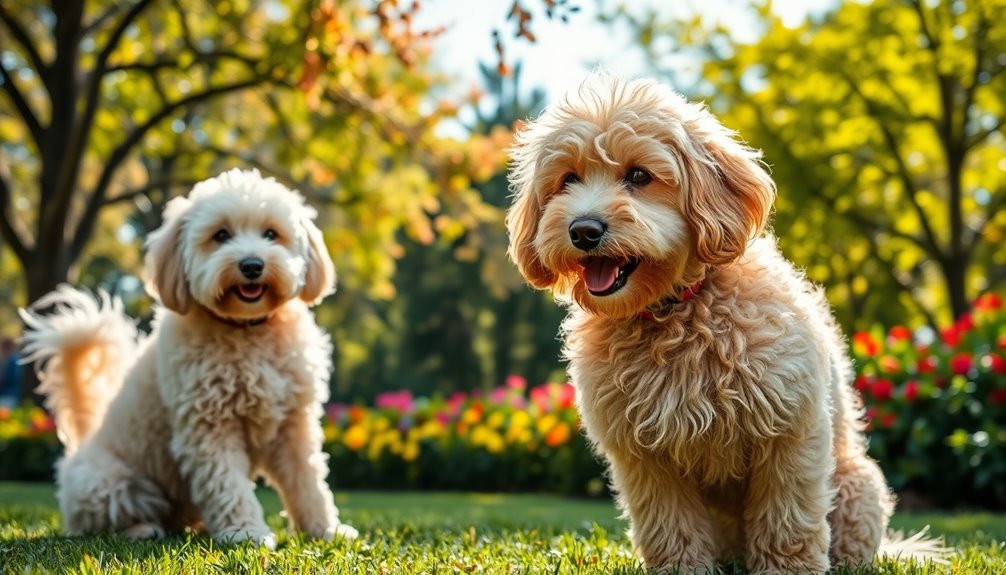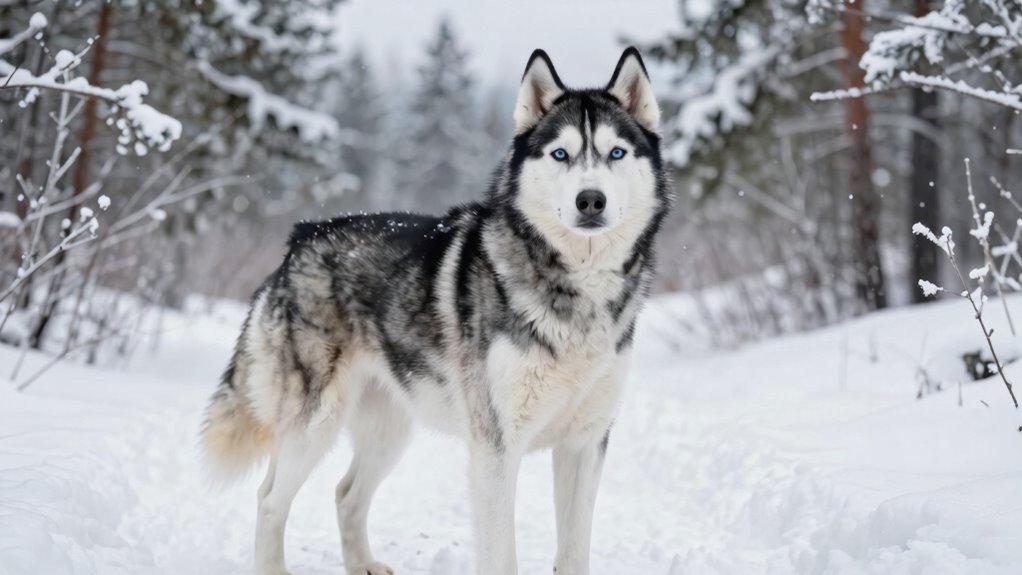

Your dog’s original purpose still influences its behavior today because traits like herding, retrieving, or guarding are hardwired from generations of selective breeding. These instincts shape how your dog responds, whether it’s herding other pets, hunting, or protecting. Understanding these breed-specific traits helps you better manage behaviors and set realistic expectations. If you want to uncover how these ancestral roles continue to guide your dog’s actions, keep exploring this fascinating connection.

Get pet supplies delivered free with Prime
- Fast, free delivery on millions of items
- Prime Video, Amazon Music and more included
- Member-only deals all year
Key Takeaways
- A breed’s original function influences its instinctual behaviors, such as herding, hunting, or guarding, that persist today.
- Selective breeding for specific traits embeds natural tendencies that shape modern behaviors.
- Understanding a breed’s purpose helps tailor training methods to accommodate innate instincts.
- Recognizing historical roles aids in managing behavioral issues rooted in genetic traits.
- The breed’s original purpose leaves a lasting impact on temperament and activity levels in modern dogs.

Many dog breeds were developed with specific roles in mind, and these original purposes continue to influence their behavior today. When you observe a breed’s natural tendencies, you’re often witnessing the echoes of their historical traits. These traits weren’t accidental; they were shaped by generations of selective breeding aimed at enhancing particular skills or temperaments. For example, herding breeds like Border Collies possess an innate drive to control movement and gather livestock, a trait deeply embedded through breeding influence. This instinct remains strong even if they’re now mainly pets, making them highly alert, responsive, and sometimes prone to nipping at heels or chasing moving objects.
Understanding a breed’s original purpose helps you appreciate why certain behaviors are ingrained. Many breeds carry behaviors rooted in their past roles, whether it’s guarding, retrieving, or hunting. Take retrievers, bred to fetch game from water, which explains their love for retrieving objects and their often soft, enthusiastic-to-please nature. Similarly, guard dogs like Rottweilers or Dobermans have a natural wariness of strangers—a trait that was essential for protection roles. These behaviors aren’t just learned; they’re part of their genetic makeup, a direct result of the breeding influence that emphasized specific qualities over generations.
Breeds’ behaviors are rooted in their historical roles like guarding, retrieving, or hunting, shaped by generations of selective breeding.
The influence of breeding on behavior means that many dogs will instinctively perform tasks or display reactions that align with their breed’s original function. For instance, scent hounds like Beagles have an extraordinary sense of smell, a trait honed through selective breeding, making them excellent trackers but sometimes prone to following their nose obsessively. This natural drive is hardwired, not just a training issue. Recognizing these inherited traits helps you understand your dog’s reactions and set realistic expectations for their behavior.
Knowing the historical traits of a breed can also aid in training and socialization. When you realize a breed’s history involves high energy, independence, or territorial tendencies, you can tailor your approach accordingly. Instead of trying to suppress these traits, you can channel them positively—such as engaging a working breed in mentally stimulating activities or providing outlets for their natural instincts. Understanding the selective breeding process behind these traits can deepen your appreciation of your dog’s unique character. Additionally, understanding the genetic basis of these behaviors helps in creating effective training strategies that respect their innate tendencies. Recognizing the influence of historical roles on a breed’s behavior allows you to develop a more effective, compassionate approach to training and socialization.
Furthermore, learning about the behavioral traits associated with a breed’s original purpose can help prevent misunderstandings and improve your relationship with your dog. In essence, the original purpose behind a breed’s development leaves a lasting mark on their behavior. Recognizing these influences allows you to better understand your dog’s actions, set appropriate boundaries, and nurture their natural abilities. The connection between historical traits and modern behavior isn’t just a curiosity—it’s an essential piece of the puzzle in building a harmonious relationship with your canine companion.
Products Worth Considering

Dyson Ball Animal 2 Plus Corded Vacuum

Dyson Ball Animal 3 Upright Vacuum – Corded, 290 AW, De‑tangling Motorbar Cleaner Head, 3 Suction Modes

Dyson Ball Animal Total Clean Upright Vacuum
As an affiliate, we earn on qualifying purchases.
Frequently Asked Questions
How Can Understanding Breed History Improve Training Methods?
Understanding breed history helps you tailor training by recognizing genetic predispositions. When you know a breed’s original purpose, you can customize your methods to suit their instincts and natural behaviors. For example, a herding breed may respond well to tasks that involve mental engagement, while a retriever might thrive with fetch-based activities. This approach makes training more effective, enjoyable, and aligned with your dog’s innate strengths.
Do All Breeds Retain Their Original Purpose Today?
Not all breeds carry the torch of their original purpose today. Genetic inheritance influences behaviors, but breed stereotypes can cloud the true picture. Some dogs wear their history like an old coat—still warm with purpose—while others have drifted far from their roots. You might find a retriever enthusiastic to fetch, or a guard dog gentle as a lamb. Understanding this helps you see beyond stereotypes and appreciate each dog’s unique story.
How Does Breed Purpose Influence Temperament Differences?
Breed purpose greatly influences temperament traits and behavioral tendencies. You’ll notice that working breeds often exhibit high energy, alertness, and drive, suitable for their original tasks. Companion breeds tend to be more social and calm, reflecting their role in family settings. Understanding these influences helps you predict how a dog might behave, making it easier to tailor training and care to match their innate tendencies and guarantee a harmonious relationship.
Can Breed Purpose Predict a Dog’s Suitability for Specific Roles?
Yes, breed purpose can often predict a dog’s suitability for specific roles because of their genetic predispositions. For example, herding breeds excel in agility and intelligence, making them ideal for active tasks. Recognizing breed versatility helps you match a dog’s natural instincts with your lifestyle. By understanding these genetic traits, you can choose a dog that’s better suited for work, companionship, or specific tasks, ensuring a harmonious fit.
Are There Health Issues Linked to a Breed’s Historical Purpose?
You can’t ignore the fact that your dog’s breed purpose has left a trail of health issues—it’s like a genetic blueprint for trouble! Due to genetic predispositions, some breeds are more prone to breed specific diseases, making health problems almost inevitable if not carefully managed. These inherited vulnerabilities link directly to the original roles they were bred for, highlighting how their purpose continues to impact their well-being today.
Conclusion
So, next time you see a dog acting a certain way, remember—its breed’s original purpose might still influence its behavior more than you realize. It’s almost like a coincidence of history and genetics, quietly shaping your pet’s instincts today. You might find it fascinating how those old instincts surface at just the right moment, reminding you that the past is never as far behind as it seems. Sometimes, history truly repeats itself—especially in our furry friends.