

Your dog’s breed purpose influences their enrichment needs far more than flashy toys or trendy products. Knowing their natural instincts helps you choose activities that truly engage them and satisfy their innate drives. Tailoring enrichment based on whether your dog is a herder, retriever, or working breed ensures they stay mentally and physically healthy. If you want to discover how to better meet your dog’s unique needs, keep exploring ways to align activities with their true purpose.

Get pet supplies delivered free with Prime
- Fast, free delivery on millions of items
- Prime Video, Amazon Music and more included
- Member-only deals all year
Key Takeaways
- Breed purpose guides personalized enrichment activities aligned with natural instincts, making them more effective than generic toys.
- Natural roles and behaviors determine which environment modifications best stimulate a breed’s mental and physical needs.
- Tailored training based on breed purpose fosters fulfillment and stronger owner-dog bonds compared to trendy, generic products.
- Observing breed-specific responses helps adjust enrichment strategies for sustained engagement over temporary distractions.
- Long-term well-being relies on activities that reflect innate drives, surpassing the temporary appeal of fancy or trendy enrichment items.
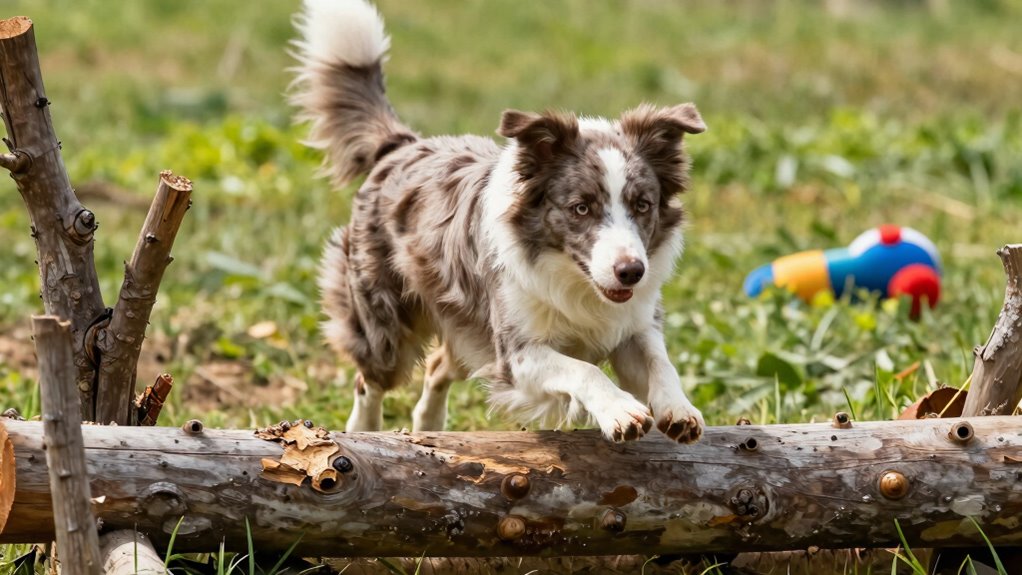
While many pet owners invest in flashy toys and trendy products, breed purpose remains a key factor in meeting a dog’s enrichment needs. Recognizing your dog’s original role helps you choose appropriate activities and environment modifications that keep them mentally and physically stimulated. For example, herding breeds thrive on tasks that challenge their instinct to gather, while retrievers benefit from fetch games that mimic their natural retrieving behavior. Understanding this purpose guides you in selecting training techniques that tap into their innate drives, making enrichment more effective and fulfilling.
Breed purpose guides tailored enrichment, keeping dogs mentally and physically engaged through natural instincts and roles.
When it comes to training techniques, tailoring your approach to your dog’s breed purpose is crucial. Instead of generic commands, incorporate activities that reflect their natural inclinations. For a working breed, include problem-solving exercises or agility training that mimic real-world tasks they’re built for. This not only keeps them engaged but also reduces boredom-related behaviors. For instance, teaching herding breeds to navigate obstacle courses or fetch specific objects plays into their instincts, providing mental stimulation alongside physical activity. By adjusting your training methods to align with their purpose, you foster a sense of fulfillment and strengthen your bond.
Environmental modifications are equally important in addressing your dog’s enrichment needs. Creating a stimulating environment involves more than just adding toys; it requires thoughtful changes that encourage natural behaviors. For herding dogs, a yard with varied terrain, tunnels, and obstacles invites exploration and active participation. Retrievers may benefit from access to water or designated fetch areas. Incorporating scent trails or puzzle feeders can also engage their keen noses and problem-solving skills. These modifications help replicate the challenges they would encounter in their original roles, keeping them mentally sharp and physically active. Additionally, understanding breed purpose helps owners select appropriate enrichment strategies that truly satisfy their dogs’ innate drives. Recognizing breed-specific instincts guides you in choosing the most effective activities and modifications. Being aware of breed history can also inform your choices, ensuring your enrichment efforts are rooted in their natural tendencies.
Focusing on breed purpose also means observing your dog’s responses to different activities and adjusting accordingly. If your breed shows signs of boredom or stress, it’s a cue to introduce new training techniques or environmental changes. Remember, fancy products might provide temporary entertainment, but they often don’t address the core needs rooted in your dog’s natural role. A comprehensive understanding of breed history can guide you in tailoring enrichment efforts more precisely. Furthermore, considering breed-specific behaviors helps you identify which activities will keep your dog engaged long-term. By aligning enrichment strategies with breed purpose, you ensure your dog remains happy, healthy, and mentally stimulated, no matter what trendy toys come and go. Ultimately, understanding and catering to their inherent drives makes all the difference in providing meaningful enrichment that lasts.
As an affiliate, we earn on qualifying purchases.
Frequently Asked Questions
How Do I Determine My Dog’s Breed Purpose?
To determine your dog’s breed purpose, look at its genetic traits and breed history. These aspects reveal whether your dog was bred for herding, guarding, or companionship. You can also consult your vet or a professional breeder for insights. Observing your dog’s natural behaviors and energy levels helps confirm its purpose. Knowing this allows you to provide appropriate enrichment, ensuring your dog stays happy and healthy.
Can Enrichment Needs Change Over a Dog’s Lifetime?
Imagine your dog’s energy shifting like the seasons—what once was a lively sprint becomes a gentle stroll. Yes, enrichment needs change with lifespan activity and age-related needs. As your dog matures, they may prefer calming activities, while younger years demand more mental stimulation and play. Adapting enrichment keeps their mind sharp and body healthy, ensuring they stay happy and engaged throughout every stage of life.
Are There Breed-Specific Enrichment Activities Recommended?
Yes, you should tailor enrichment activities based on breed traits. For active breeds like Border Collies, you’ll want to incorporate lots of mental challenges and physical exercise. For more relaxed breeds, gentle activities suit them better. Customizing activities helps keep your dog engaged and happy, ensuring their specific needs are met. Recognizing breed differences allows you to choose the right enrichment, promoting overall well-being and preventing boredom.
How Do I Identify if My Dog Is Bored or Under-Stimulated?
You might think your dog’s just being stubborn, but signs of boredom include excessive barking, chewing, or restlessness. To tell if they’re under-stimulated, observe their energy levels and look for repetitive behaviors. Mental stimulation is key—if your dog seems lethargic or anxious, they likely need more engaging activities. Providing puzzle toys or new challenges can help balance their energy and keep their mind active.
What Are Common Misconceptions About Breed-Specific Enrichment?
Many believe breed stereotypes define a dog’s enrichment needs, but genetic traits matter more. Common misconceptions include thinking a breed’s activity level or intelligence dictates its requirements, ignoring individual personality. For example, a Labrador’s energetic nature doesn’t mean every one needs constant stimulation, and a calmer breed might still benefit from enrichment. Understand your dog’s unique traits beyond stereotypes to provide appropriate, fulfilling activities that promote well-being.
Conclusion
So, next time you’re tempted to splurge on the latest “fancy” pet toy, remember—your dog’s breed purpose still rules the enrichment game. No shiny gadget can replace the mental stimulation and physical activity they actually need. It’s almost like the breed’s original job matters more than Instagram-worthy accessories. Maybe, just maybe, investing in a good old-fashioned walk or puzzle is the real luxury your pet craves—who knew simplicity could be so revolutionary?
Fall Picks
fall essentials
As an affiliate, we earn on qualifying purchases.