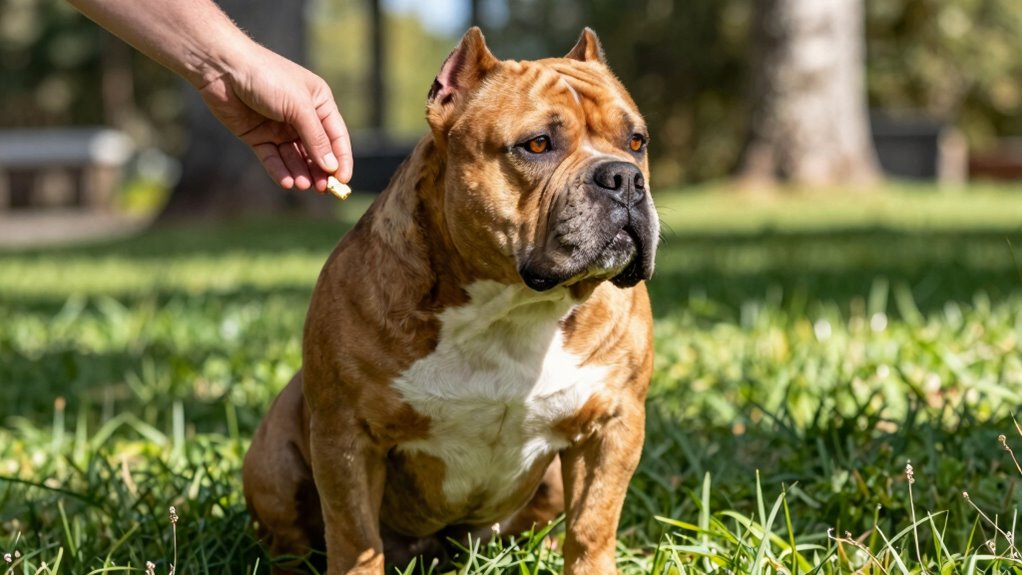

Many online myths paint bully breeds as untrainable or aggressive, but that’s far from the truth. Their behavior depends more on training, socialization, and environment than breed alone. Consistency, patience, and positive reinforcement are key to shaping good behavior. Avoid harsh methods and focus on understanding each dog’s individual personality. By learning effective training techniques, you can foster a strong, trusting bond. Keep going to discover more about separating fact from online noise.

Get pet supplies delivered free with Prime
- Fast, free delivery on millions of items
- Prime Video, Amazon Music and more included
- Member-only deals all year
Key Takeaways
- Breed stereotypes are often inaccurate; individual temperament depends on upbringing, environment, and training.
- Positive reinforcement and consistent training are effective regardless of breed, promoting good behavior.
- Myths about Bully breeds being untrainable or aggressive are false; they are intelligent and eager to learn.
- Proper socialization and realistic expectations help manage behavior and dispel online misconceptions.
- Building trust through gentle, positive interactions strengthens bonds and improves training outcomes.

Bully breeds, often misunderstood and unfairly labeled, can make loyal and loving companions when properly trained. Unfortunately, dog breed myths tend to cloud perceptions, leading many to believe these dogs are inherently aggressive or dangerous. Such misconceptions are often perpetuated by outdated stereotypes or sensationalized stories rather than facts. In reality, a dog’s behavior depends heavily on its upbringing, environment, and training. By understanding the truth behind these myths, you can approach training with a clear mindset and focus on building a positive relationship with your dog.
When it comes to training techniques, consistency and patience are key. Many online sources claim that bully breeds require aggressive or harsh methods, but that couldn’t be further from the truth. Effective training relies on positive reinforcement—rewarding good behavior with treats, praise, or play—rather than punishment. This approach not only fosters trust but also encourages your dog to repeat desirable actions. Early socialization is equally important; exposing your dog to different people, environments, and other animals helps prevent behavioral issues rooted in fear or territoriality. Recognizing that temperament varies among individuals is also crucial; not all dogs within a breed will exhibit the same traits. Understanding individual temperament can help tailor your training approach more effectively.
You should also avoid falling for common dog breed myths that suggest bully breeds are untrainable or stubborn. The reality is that these dogs are intelligent and *enthusiastic* to please, making them highly trainable when you use the right techniques. Using clear commands, consistent routines, and gentle corrections helps your dog learn faster and builds a solid foundation of trust. Remember, training isn’t just about obedience; it’s about understanding your dog’s individual personality and needs. Tailor your approach to suit your dog’s temperament, and always keep sessions positive and engaging. Additionally, adopting a positive reinforcement approach can significantly improve training outcomes and strengthen your bond.
Furthermore, educating yourself about the breed’s characteristics can help you develop realistic expectations. Many online noise about aggression is exaggerated or taken out of context, leading to unfair fears. With proper training techniques, you can manage any behavioral challenges and nurture a well-behaved, affectionate dog. Always seek reputable sources for advice, and consider working with a professional trainer if you’re unsure where to start. Understanding the importance of breed-specific traits can also guide your training and socialization efforts more effectively.
Products Worth Considering

Fi Series 3+ Smart GPS Dog Collar and Pet Health Tracker, Gray, Large

PetSafe Electronic Pet Door with Collar Key Sensor, Large

PETLIBRO RFID Automatic Cat Feeder with Collar Sensor
As an affiliate, we earn on qualifying purchases.
Frequently Asked Questions
Are Bully Breeds Naturally Aggressive or Friendly?
Bully breeds aren’t naturally aggressive; their temperament depends on their history and training. Their breed history shows they were originally bred for work and companionship, not aggression. Genetic traits can influence behavior, but proper socialization and positive reinforcement play huge roles. You, as a handler, can shape their friendliness by understanding their traits and providing consistent training, ensuring they’re confident and well-mannered rather than aggressive.
What Specific Training Methods Work Best for Bully Breeds?
You should use positive reinforcement techniques like treats and praise to encourage good behavior in bully breeds. Socialization techniques, such as gradually exposing your dog to new people, animals, and environments, help reduce aggression and build confidence. Consistency is key; reward calm behavior and avoid harsh punishments. Training sessions should be short, engaging, and positive, fostering trust and a strong bond between you and your dog.
How Do Breed Stereotypes Affect Adoption Chances?
About 70% of shelter dogs face breed bias, which substantially impacts their adoption chances. This stereotype often leads to unfair judgment, making it harder for bully breeds to find homes. Your awareness of breed bias can change perceptions and improve adoption challenges. By advocating for these dogs and sharing positive stories, you help break down stereotypes, giving them a better chance at loving, safe homes.
Are There Breed-Specific Laws or Restrictions?
Yes, there are breed-specific laws and restrictions in many areas. Legal restrictions often target certain breeds under breed legislation, aiming to reduce attacks or injuries. These laws can ban, restrict, or require special permits for owning breeds labeled as aggressive or dangerous. You should check your local regulations to understand any breed restrictions in your community, as these laws vary widely and can affect your ability to adopt or own specific breeds.
How Can Owners Prevent Aggression in Bully Breeds?
Think of your bully breed as a garden needing careful tending. You prevent aggression by leash training consistently, like guiding a delicate vine. Socialization techniques are your sunlight, helping them grow friendly and confident. Introduce your dog to new people and environments gradually, ensuring positive experiences. Patience and dedication turn potential storms into calm waters, fostering a well-behaved companion who’s comfortable in any setting.
Conclusion
When it comes to bully breeds and training, don’t let online noise cloud your judgment. With patience and proper guidance, you can shape your dog into a well-behaved companion, just like a sculptor reveals the beauty hidden in marble. Remember, every dog is unique, and understanding their needs is key. Trust the facts, stay consistent, and watch your furry friend flourish—because, like a garden, positive training yields the most beautiful results.