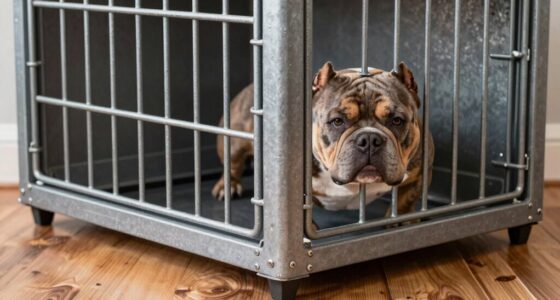

If you’re considering a companion breed, be aware that some struggle most with being alone, especially those that thrive on constant social interaction. Breeds like terriers, retrievers, and toy breeds are prone to separation anxiety because they rely heavily on their owners for reassurance. They can become destructive or vocal when left alone. To better understand which breeds might need more attention, continue exploring how to manage their emotional well-being effectively.

Get pet supplies delivered free with Prime
- Fast, free delivery on millions of items
- Prime Video, Amazon Music and more included
- Member-only deals all year
Key Takeaways
- Social breeds like terriers, retrievers, and toy breeds are most prone to separation anxiety.
- Companion breeds that rely heavily on human interaction struggle with being left alone.
- Breeds that thrive on constant reassurance often experience distress when isolated.
- High social and intelligent breeds require mental stimulation to prevent destructive behaviors when alone.
- Dogs with a strong bond to their owners are more likely to develop separation-related behavioral issues.

Many dog and cat breeds thrive on constant companionship, and if left alone for long periods, they can become anxious or destructive. This is especially true for companion breeds, which often form deep bonds with their owners and rely heavily on human interaction. This behavior can be exacerbated by lack of mental stimulation**, which these breeds often require to stay happy and calm. Providing enriching activities can help reduce feelings of loneliness and prevent destructive behaviors. Vocalization issues are common in these breeds as well, with loud barking or meowing serving as cries for attention or signals of distress. When left alone too long, they may become overwhelmed and resort to these behaviors to cope, which can be distressing for both you and your pet. Recognizing separation anxiety** early can help you implement effective strategies to support your pet’s emotional well-being.
Many social breeds suffer from separation anxiety, leading to destructive behaviors and excessive vocalization when left alone.
Breeds known for their social nature often struggle the most with being left alone. For example, certain terriers, retrievers, and toy breeds thrive on companionship and can quickly develop separation anxiety when their routines are disrupted. These animals seek constant reassurance and may become clingy, following you from room to room or refusing to settle down without your presence. Their vocalization issues tend to escalate when they feel isolated, making it difficult to ignore their calls for help or company. If you’re away frequently or work long hours, owning a breed prone to separation anxiety might mean facing ongoing challenges with managing their emotional needs. Understanding breed-specific traits can help you better prepare and address their unique social needs.
dog puzzle toys for mental stimulation when home alone
As an affiliate, we earn on qualifying purchases.
As an affiliate, we earn on qualifying purchases.
Frequently Asked Questions
How Can I Train These Breeds to Tolerate Alone Time?
To help these breeds tolerate alone time, start with crate training to create a safe, comfy space. Gradually increase the time they spend alone, pairing it with positive experiences like treats or toys. Make sure you provide plenty of mental stimulation before you leave, such as puzzle toys or training exercises, to keep their minds engaged. Consistency and patience will help reduce their anxiety and build confidence in being alone.
What Are Signs My Dog Is Suffering From Separation Anxiety?
If your dog experiences dog separation, you’ll notice anxiety symptoms like excessive barking, destructive behavior, or attempts to escape. They may also show signs of restlessness, whining, or loss of appetite. You might find their belongings chewed or destroyed when you return. Recognizing these anxiety symptoms early helps you address separation anxiety effectively. Stay attentive to their behavior, and consider gradual desensitization or consulting a professional if needed.
Are There Specific Toys That Help Reduce Loneliness for These Breeds?
Did you know that dogs with separation anxiety often benefit from engaging toys? You should try interactive puzzles that keep their minds busy and comfort blankets that provide a sense of security. These toys help reduce loneliness by offering mental stimulation and comfort. When you leave, your dog stays occupied and calm, making it easier for them to handle being alone. Such toys are essential for anxious or companion breeds.
Can These Breeds Be Left Alone Safely for Short Periods?
You should be cautious about leaving these breeds alone for even short periods, as their breed characteristics often include strong attachment to owners. They thrive on companionship and may become anxious or destructive if left alone too long. As an owner, your responsibilities include providing mental stimulation with toys and ensuring they’re not lonely. Short absences are generally safe if your dog feels secure and has enough enrichment to keep them busy.
What Are the Best Ways to Gradually Increase Their Alone Time?
To gradually increase their alone time, start with short periods and slowly extend them. Use crate training to create a safe space, making your dog feel secure when alone. Incorporate dog socialization by exposing your pet to different environments and people, helping build confidence. Consistency is key; always reward calm behavior and avoid making departures emotional. Over time, your dog will become more comfortable being alone.
Conclusion
If you choose a companion breed, remember they thrive on your presence and can feel loneliness deeply. Like a shadow longing for its source, they rely on your companionship to feel whole. By understanding their needs and dedicating quality time, you strengthen the bond that keeps their world bright. After all, isn’t it true that what we nurture with love becomes our greatest reward? Embrace their needs, and watch your connection flourish beyond mere words.
Halloween Picks
halloween
As an affiliate, we earn on qualifying purchases.