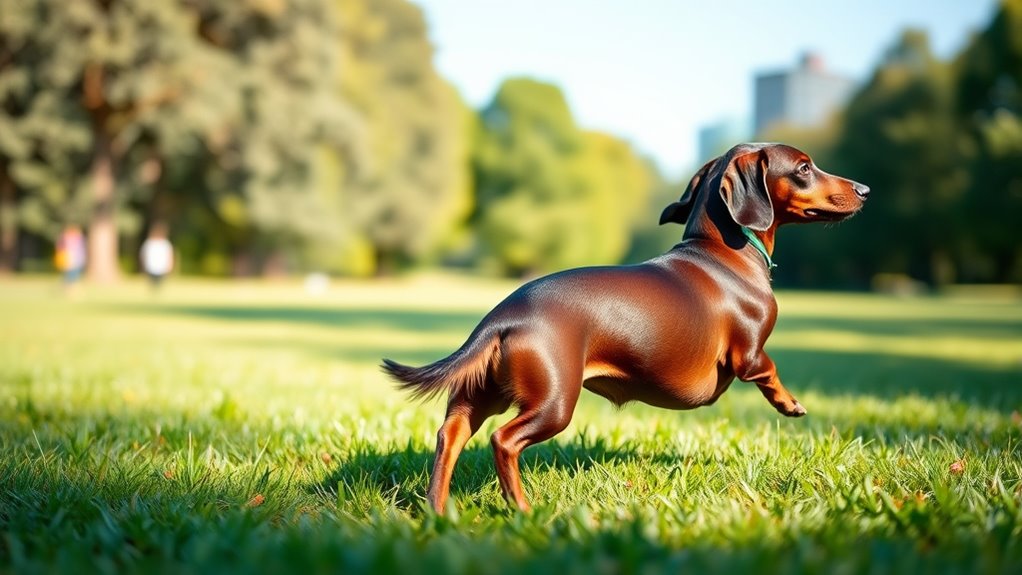

To protect your long-backed dachshund’s spine, provide gentle, controlled exercise like short walks and avoid jumping or stairs. Keep their weight healthy through a balanced diet, as extra pounds put strain on their back. Regular vet checkups help catch issues early, and watch for signs of discomfort. By following these steps, you can help guarantee your pup stays active and back pain-free—more helpful tips await as you continue.
Key Takeaways
- Use gentle, controlled exercises like short walks and avoid jumping or rough play to protect your dachshund’s back.
- Maintain a healthy weight through proper diet and portion control to reduce spinal stress.
- Incorporate ramps or steps to help your dog navigate furniture safely and prevent unnecessary jumping.
- Regular vet checkups help detect early signs of back issues and ensure ongoing spine health.
- Watch for signs of discomfort, such as yelping or reluctance to move, and stop activity immediately if observed.
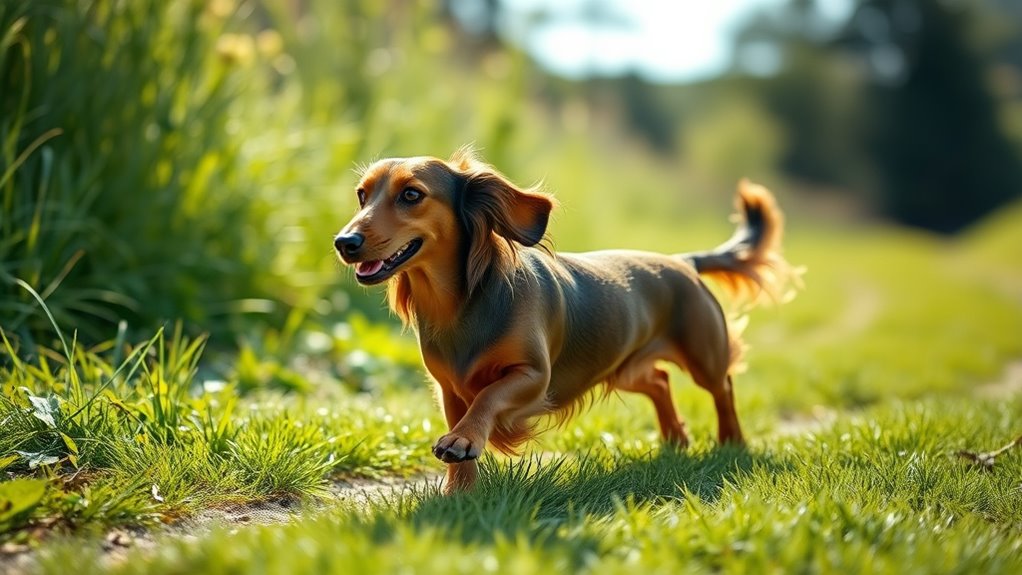
Dachshunds are adorable dogs known for their long bodies and short legs, but this unique physique makes them especially prone to back problems. Their distinctive shape isn’t just charming; it also comes with genetic predispositions that can put their spines at risk. Many dachshunds inherit a vulnerability to intervertebral disc disease (IVDD) because of their genetic makeup. This means you need to be extra vigilant and proactive to protect their back health. Regular veterinary checkups can help catch early signs of issues, especially since these problems often develop gradually. Additionally, paying attention to their diet plays a vital role. A balanced diet that supports joint and bone health can make a significant difference in preventing back problems. Providing high-quality, nutrient-rich food ensures your dachshund gets the essential vitamins and minerals needed for strong bones and a healthy spine. Avoid overfeeding, as excess weight puts added strain on their back, increasing the likelihood of disc problems. Maintaining a healthy weight through proper diet and portion control isn’t just about their overall health; it’s a fundamental step in safeguarding their back from unnecessary stress.
When it comes to exercise, you should be careful to choose activities that strengthen without risking injury. Gentle, controlled movements are best, especially since rough play or jumping from high surfaces can aggravate or cause disc issues. Short, frequent walks are ideal, as they promote muscle tone and joint health without overexerting your dog’s fragile spine. Avoid stairs or high jumps, and consider ramps or steps to help your dachshund navigate furniture comfortably. Always observe your dog during playtime—if you notice signs of discomfort, such as yelping, reluctance to move, or difficulty getting up, stop the activity immediately and consult your vet. Exercise isn’t just about activity; it’s about smart activity tailored to their needs. Regular, moderate movement can help maintain muscle strength, support their spine, and prevent weight gain, but it must be done thoughtfully. Incorporating proper exercise techniques can further help protect their back health.
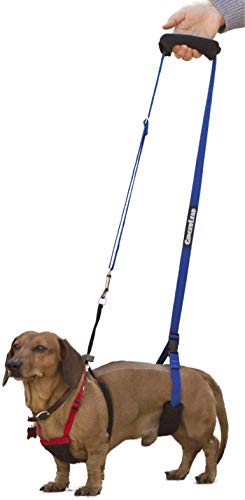
GINGERLEAD Dog Support Sling Harness, X-Small Fits Little Pets Under 25 lbs or Dachshunds with IVDD, Spinal Disc Disease, or Back Injuries. Assist Old or Recovering Pets. Chest Harness NOT Included.
FEATURES – No Bunching – Padded for Comfort – Integrated Leash – Adjustable for Height – Easy to…
As an affiliate, we earn on qualifying purchases.
As an affiliate, we earn on qualifying purchases.
Frequently Asked Questions
Can Dachshunds Participate in Agility Training Safely?
Yes, you can safely involve your dachshund in agility training if you start gradually and guarantee proper back support. Keep up with regular dachshund grooming to check for any signs of discomfort, and prioritize puppy socialization to build confidence. Always monitor your dog closely for signs of strain, and consult your vet to create a tailored, safe exercise plan that protects your long-backed pup’s spine.
What Are Signs of Back Pain in Dachshunds?
When it comes to back pain, you’ll want to keep an eye out for signs like reluctance to jump or climb, persistent whining, or dragging their hind legs. Early symptom identification is key to effective pain management. If you notice these warning signs, don’t delay—consult your vet promptly. Addressing issues early helps prevent further damage and keeps your long-backed friend comfortable and happy.
How Often Should I Rotate My Dachshund’s Exercise Routine?
You should rotate your dachshund’s exercise routine daily to prevent strain and keep things interesting. Incorporate playtime routines that include gentle walks, fetch, and low-impact activities. Exercise variation helps avoid repetitive stress on their back, reducing injury risk. Pay attention to your dog’s cues, and if they show signs of discomfort, adjust the routine accordingly. Consistent, varied exercise supports your dachshund’s back health and overall well-being.
Are There Specific Diets That Support Back Health?
Think of your dachshund’s diet as the foundation of a sturdy bridge. You should select foods rich in nutrient supplementation that support back health, like omega-3 fatty acids and glucosamine. Avoid dietary restrictions that could weaken bones and muscles. A balanced diet tailored to long-backed breeds helps prevent issues, keeps your dog strong, and ensures their back remains supported, allowing them to enjoy life’s adventures without worry.
How Does Age Affect Exercise Needs for Dachshunds?
As your dachshund ages, their exercise needs shift. You should focus on gentle senior activity to keep them active without strain, and reduce high-impact play. Incorporate more puppy playtime to maintain their mental alertness and physical health, but always monitor for signs of fatigue or discomfort. Adjust routines as necessary, ensuring your dog stays healthy and happy throughout their life stages.

2026 Upgraded Dog Ramp for Couch, Foldable Small Dog Ramp for Sofa, 4 Adjustable Height from 13'' to 21", Portable Stable Pet Steps with Non-Slip Pad, Pet Ramps Use for Sofa Couch Stairs
【Enhanced Stability】 The widened dog ramp legs (30cm/11.8") provide greater stability, reducing the risk of tipping when pets…
As an affiliate, we earn on qualifying purchases.
As an affiliate, we earn on qualifying purchases.
Conclusion
By keeping your dachshund active and mindful of their back health, you’re the steady captain guiding their voyage through a happy, healthy life. Remember, a strong back is the anchor that keeps their spirit afloat. With gentle exercises and careful care, you guarantee they’ll sail smoothly into many joyful adventures together. So, cherish every moment, for your dedication is the compass that leads your long-backed friend to a future full of wagging tails and bright eyes.

BUVUB Dog Neck Brace Supports Pet's Neck with Cervical Vertebral Sprains Instability Intervertebral Disk Disease (IVDD) Collar for Dog (Wide L)
High Performance Pet Cervical Collar- BUVUB dog neck brace engineered to coping with neck intervertebral disc disease (cervical…
As an affiliate, we earn on qualifying purchases.
As an affiliate, we earn on qualifying purchases.

Blue Buffalo Life Protection Formula Healthy Weight Small Breed Dry Dog Food, Supports an Ideal Weight, Made with Natural Ingredients, Chicken & Brown Rice Recipe, 5-lb Bag
REAL CHICKEN FIRST: This Blue Buffalo dry dog food is made with real, high quality chicken as the…
As an affiliate, we earn on qualifying purchases.
As an affiliate, we earn on qualifying purchases.