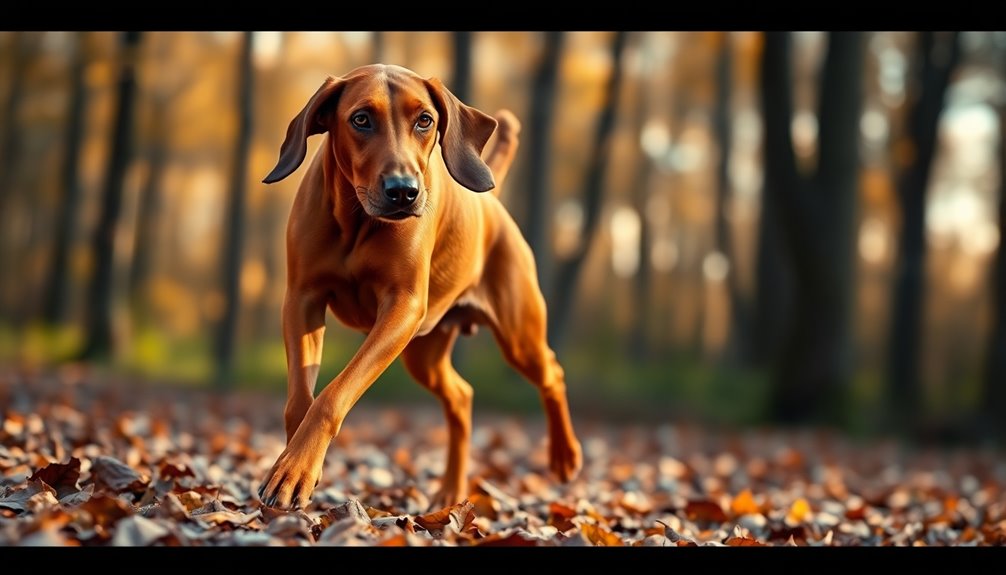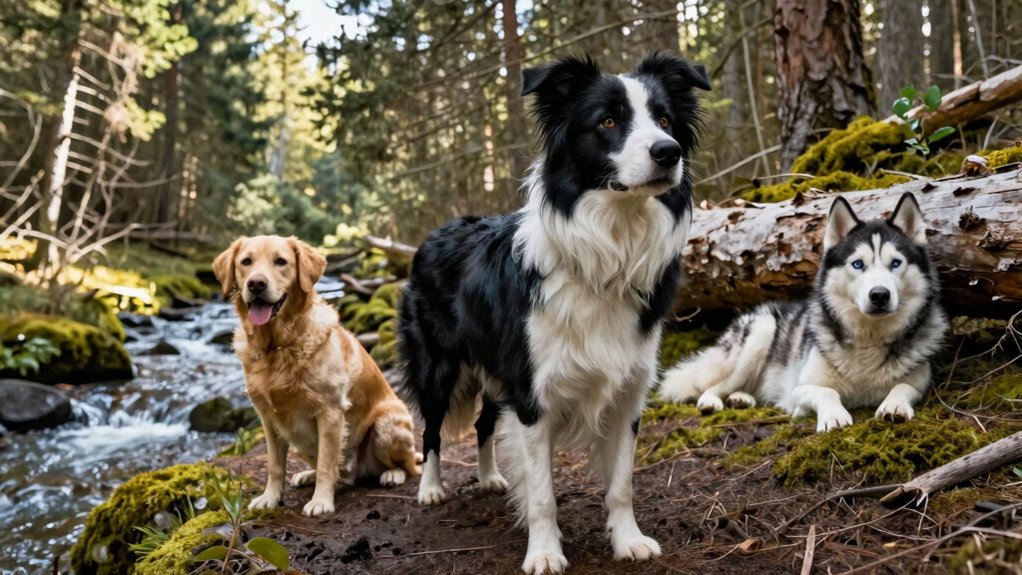
If you want a dog that can keep up with your active hiking lifestyle, look for breeds with high energy, endurance, and resilience. Active breeds like retrievers, shepherds, or hounds are excellent choices. They handle tough terrain and long distances well, especially when trained properly. You’ll want one that matches your terrain and climate, too. Want to discover more about the best hiking companions for your adventures? Keep exploring to find the perfect fit.

Get pet supplies delivered free with Prime
- Fast, free delivery on millions of items
- Prime Video, Amazon Music and more included
- Member-only deals all year
Key Takeaways
- Choose active breeds with high endurance like retrievers, shepherds, or border collies suited for extended outdoor activities.
- Consider environmental adaptability, selecting breeds resilient to terrain and climate conditions encountered during hikes.
- Prioritize breeds with natural stamina and resilience for longer or more challenging trekking adventures.
- Ensure the breed’s temperament and focus skills are trained for trail safety and obstacle navigation.
- Match the dog’s size and energy level with hiking demands, providing proper nutrition and preparation for sustained activity.
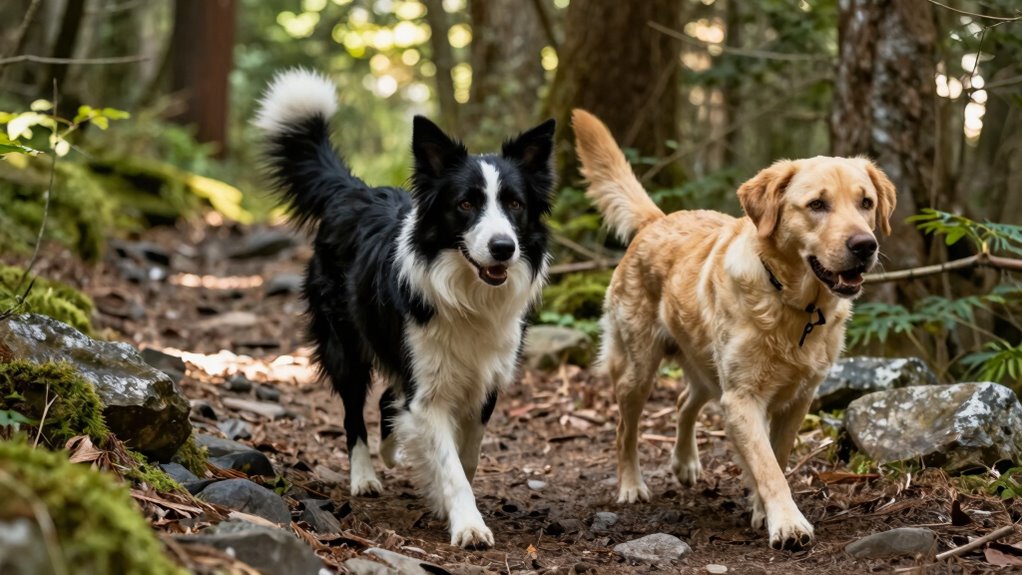
Hiking with your dog can be a rewarding experience, but choosing the right breed is imperative for a safe and enjoyable adventure. When you’re out on trails, your dog’s ability to keep up, stay focused, and stay healthy makes all the difference. To prepare for these excursions, you should understand training techniques that reinforce good behavior and help your dog adapt to hiking demands. Consistent commands like “heel,” “come,” and “leave it” are essential for keeping your dog safe amid unpredictable trail environments. Positive reinforcement works best—praise, treats, or playtime encourage your dog to listen and stay close. Training should start at home and gradually move to more challenging outdoor settings, so your dog learns to handle the trail’s distractions while following your lead.
Alongside training, you must consider your dog’s nutritional needs. Hiking is physically demanding, and a well-balanced diet fuels your dog’s energy and stamina. Before hitting the trail, make sure your dog’s meals contain a good mix of proteins, fats, and carbohydrates. Some breeds may require higher caloric intake to sustain longer hikes, especially active breeds like retrievers or shepherds. Always carry enough water and a portable bowl, and give your dog frequent breaks to hydrate and rest. Snacks designed for dogs, like energy bites or jerky, can help maintain their energy levels during extended hikes. Proper nutrition isn’t just about immediate energy; it also supports joint health and muscle recovery, which are essential for active dogs. Additionally, understanding biodiversity and how different breeds adapt can help you choose the most suitable hiking companion for your environment and lifestyle. Recognizing the importance of breed-specific traits can also assist in selecting the right dog that aligns with your hiking routine. Moreover, considering your dog’s activity level and natural endurance can further refine your breed choice for outdoor adventures. Being aware of environmental factors, such as terrain and climate, can also influence your breed selection and hiking strategy. Keeping in mind how genetic traits influence endurance and resilience can help ensure your dog is well-suited for longer or more challenging treks.
portable dog water bottle with bowl for hiking
As an affiliate, we earn on qualifying purchases.
As an affiliate, we earn on qualifying purchases.
Frequently Asked Questions
Are Hiking Dogs Suitable for Families With Children?
Hiking dogs can be suitable for families with children if they have family-friendly traits like patience, gentle nature, and good social skills. You should consider child safety considerations, ensuring the dog is well-trained and comfortable around kids. Always supervise interactions, especially with energetic or large breeds, to prevent accidents. With proper training and socialization, these dogs can become loyal, active companions that enhance your family adventures.
How Much Training Do Hiking Breeds Typically Require?
Hiking breeds usually need moderate to high training intensity to meet their obedience requirements. You’ll find that consistent, positive reinforcement helps them learn commands quickly, ensuring safety and cooperation on trails. These breeds thrive with regular training sessions, but they also need patience and persistence. By dedicating time to their training, you’ll foster good behavior, making hikes enjoyable and safe for both you and your energetic, adventure-loving dog.
Can Small Dog Breeds Handle Long Hikes Comfortably?
Small dog breeds can handle long hikes if they have good stamina and compact breed endurance. You should watch for signs of fatigue and bring plenty of water and breaks. While some small dogs are energetic and adaptable, others may struggle with extended walks. It’s crucial to evaluate their individual stamina and health, ensuring your tiny companion stays comfortable and safe during outdoor adventures. Proper preparation makes all the difference.
What Safety Precautions Should I Take During Hikes With My Dog?
During hikes with your dog, prioritize dog leash safety by keeping a secure, well-fitted leash to prevent escapes. Carry trail hydration tips by bringing enough water for both of you, and consider a portable bowl for your dog. Watch for signs of fatigue or overheating, especially in warmer weather. Always stick to marked trails, and bring a basic first aid kit. Regularly check your dog’s paws for cuts or irritation.
Do Hiking Dog Breeds Require Specific Dietary Considerations?
Hiking dog breeds do require specific dietary considerations to keep them energized and healthy. You should incorporate dietary supplements if recommended by your vet, especially for active breeds. Prioritize hydration strategies by ensuring your dog drinks plenty of water before, during, and after hikes. Adjust their diet to include high-quality proteins and fats for sustained energy, and avoid feeding them heavy meals right before strenuous activity to prevent discomfort.
Conclusion
So, as you lace up your hiking boots and set off into the wild, remember that the right dog breeds can become your steadfast trail companions, their energy and spirit mirroring your own. Imagine the two of you, forging through forests and climbing peaks, united by a bond that’s as strong as the mountain’s backbone. With the perfect hiking partner by your side, every adventure becomes a story etched into the wilderness, waiting to be written.
Halloween Picks
halloween
As an affiliate, we earn on qualifying purchases.