
If you have a flat-faced breed like a Bulldog or Pug, you need to carefully plan your indoor temperature. Their unique facial structure causes nasal blockages, making it hard to breathe, especially in heat. Keeping the room cool, well-ventilated, and between 68-72°F helps prevent breathing problems and overheating. Proper airflow and environment are essential for their health and comfort. To learn more about how to protect your furry friend, keep exploring this important topic.

Get pet supplies delivered free with Prime
- Fast, free delivery on millions of items
- Prime Video, Amazon Music and more included
- Member-only deals all year
Key Takeaways
- Flat-faced breeds have nasal obstructions that impair airflow, making temperature regulation crucial for comfort.
- Proper room temperature prevents overheating and reduces breathing difficulty during physical activity.
- Maintaining cool, well-ventilated environments supports optimal airflow and respiratory health.
- Hot indoor temperatures can exacerbate breathing issues caused by facial structure.
- Managing room conditions helps prevent heat-related distress and supports overall well-being.

Flat-faced dog breeds, such as Bulldogs and Pugs, have become popular for their distinctive appearance, but their unique facial structure can profoundly impact their airflow and breathing. Their short noses and flattened faces often lead to nasal obstruction, which makes it harder for them to breathe comfortably. You might notice your dog wheezing, snorting, or struggling to breathe after exercise or in hot weather. This breathing difficulty isn’t just about discomfort; it can also be dangerous if not managed properly. Because of their compromised airflow, these breeds are especially sensitive to temperature changes and environmental conditions.
Understanding how their anatomy affects airflow is key to keeping them healthy. The flattened face and shortened nasal passages mean less space for air to flow efficiently. During inhalation, your dog’s nasal passages can become easily congested or blocked, increasing the effort needed to breathe. This nasal obstruction can lead to labored breathing, especially in high temperatures or humid conditions. When your dog experiences nasal obstruction, they might pant excessively or show signs of distress, indicating that the airflow is insufficient for their needs. As a responsible owner, you need to be proactive in managing their environment to prevent overheating and respiratory stress. Recognizing the importance of airflow can help prevent serious health issues in flat-faced breeds.
Understanding their anatomy helps prevent nasal congestion and breathing struggles in flat-faced dogs.
Room temperature planning plays an essential role in preventing breathing difficulties. Because flat-faced breeds are prone to breathing trouble, keeping your home cool and well-ventilated is vital. High temperatures can cause your dog’s body temperature to rise rapidly, making breathing even more labored. You should aim to maintain a comfortable temperature, ideally between 68 and 72 degrees Fahrenheit, especially during summer months. Additionally, you should be aware that temperature regulation is crucial for these breeds to prevent heat-related illnesses. Proper ventilation not only helps to cool down the environment but also ensures consistent airflow, which is vital for their respiratory health. Avoid exposing your dog to direct sunlight or hot pavement during walks, as these conditions can exacerbate breathing issues. Using fans or air conditioning not only cools the environment but also improves airflow around your dog, reducing the risk of heat stroke.
Furthermore, you should be attentive to signs of respiratory distress, particularly during hot weather or physical activity. If your dog starts to pant excessively, drool, or shows signs of fatigue, it’s time to intervene. Providing a cool, shaded resting place allows your dog to recover and prevents further breathing difficulty. Always remember that flat-faced breeds are more vulnerable to airway obstructions caused by factors like obesity, allergies, or infections, which can worsen nasal obstruction. Proper room temperature planning, combined with regular vet check-ups, helps make certain your dog remains comfortable and healthy despite their structural challenges. By understanding their breathing needs and managing their environment, you keep your flat-faced companion safe and comfortable.
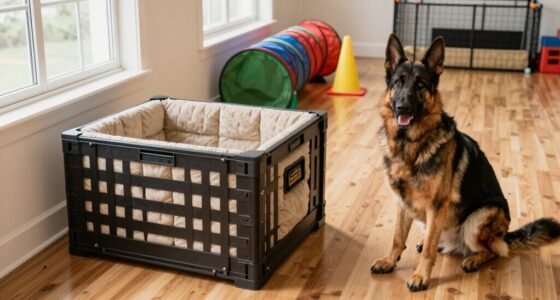
air-conditioned dog crate for flat-faced breeds
As an affiliate, we earn on qualifying purchases.
As an affiliate, we earn on qualifying purchases.
Frequently Asked Questions
How Can I Improve Airflow for My Flat-Faced Pet Indoors?
To improve airflow for your flat-faced pet indoors, you should implement effective ventilation strategies like using fans or air purifiers to promote circulation. Additionally, control humidity levels with a dehumidifier or air conditioner, as high humidity can worsen breathing issues. Regularly clean air filters and guarantee fresh air enters the room. These steps help prevent overheating and keep your pet comfortable and healthy.
Are Certain Breeds More Prone to Airflow Issues Than Others?
Yes, certain breeds are more prone to airflow issues due to genetic predispositions and breed-specific traits. Flat-faced breeds like Bulldogs, Pugs, and Shih Tzus often struggle with breathing because their shortened airways limit airflow. To help your pet breathe comfortably, monitor room temperature carefully, keep the environment cool, and guarantee good ventilation. Recognizing these tendencies allows you to create a safer, more comfortable space for your flat-faced companion.
What Signs Indicate Airflow Problems in Flat-Faced Animals?
You’ll notice nasal congestion and breathing difficulty in flat-faced animals, which are common signs of airflow problems. Remarkably, studies show that up to 70% of brachycephalic breeds experience these issues. If your pet struggles to breathe, breathes loudly, or shows signs of fatigue during activity, these are clear indicators of airflow problems. Prompt veterinary attention can help manage these symptoms and improve their quality of life.
Can Airflow Issues Affect My Pet’s Breathing During Sleep?
Yes, airflow issues can definitely affect your pet’s breathing during sleep. Poor air circulation can cause your pet to struggle for enough oxygen, especially in flat-faced breeds. Ensuring good airflow and humidity control helps keep their airways clear and moist, reducing congestion and breathing difficulties. Maintaining a comfortable, well-ventilated environment supports better sleep and overall health for your pet, particularly if they have respiratory vulnerabilities.
How Does Room Temperature Influence Airflow and Flat-Faced Breed Health?
Room temperature directly impacts airflow and your flat-faced breed’s health. If it’s too hot, environmental humidity rises, making it harder for them to breathe comfortably, especially since their breed resilience is lower. Maintaining a moderate, well-ventilated temperature helps keep airflow steady, reducing stress on their respiratory system. You can guarantee your pet breathes easier and stays healthier by regulating room temperature and monitoring humidity levels consistently.
Conclusion
Remember, your home is their sanctuary—a delicate garden where comfort blossoms. By understanding flat-faced breeds and their airflow needs, you’re nurturing a safe haven where their breathing is as smooth as a gentle breeze. Think of yourself as the guardian of their peaceful moment, guiding the air around them like a caring hand. When you plan room temperatures thoughtfully, you’re not just maintaining comfort—you’re weaving a cozy, life-affirming embrace around your furry friend’s every breath.
Halloween Picks
halloween
As an affiliate, we earn on qualifying purchases.