Starting joint planning early is essential for giant breeds because their rapid growth can lead to joint issues later in life. You need to carefully manage their diet, exercise, and vet visits from a young age to support healthy development. Overlooking these steps can increase the risk of problems like hip and elbow dysplasia. By acting now, you’ll set the foundation for strong joints and a healthier future. Keep going to discover how to do this effectively.

Get pet supplies delivered free with Prime
- Fast, free delivery on millions of items
- Prime Video, Amazon Music and more included
- Member-only deals all year
Key Takeaways
- Early planning and proactive care prevent joint issues like hip and elbow dysplasia in giant breeds.
- Proper nutrition supports healthy bone and joint development from puppyhood.
- Controlled, gentle exercise during growth minimizes joint stress and promotes strength.
- Regular veterinary check-ups enable early detection and management of joint health concerns.
- Adapting routines to breed-specific growth patterns ensures healthy development into adulthood.
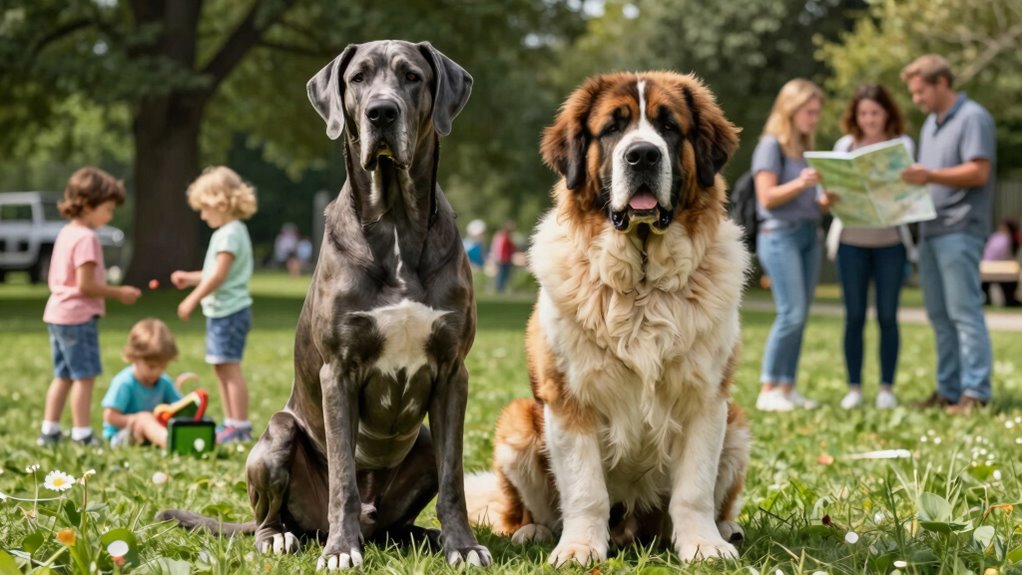
Have you ever wondered why planning is essential when caring for giant breeds? It’s because these dogs grow rapidly and develop unique needs that require careful attention from the very beginning. Proper puppy nutrition plays a crucial role in ensuring your giant breed grows at a healthy pace, helping to prevent joint issues later in life. You want to give your puppy the right balance of high-quality protein, calcium, and essential nutrients to promote strong bones and muscles. Overfeeding or providing improper nutrition can lead to excessive weight gain, which places unnecessary stress on developing joints. It’s vital to follow your veterinarian’s guidance on feeding schedules and portion sizes, especially during the critical growth phases.
Proper nutrition and careful planning support healthy growth and prevent joint issues in giant breeds.
Along with nutrition, establishing appropriate exercise routines from an early age is equally important. You might be tempted to let your puppy run freely or indulge in vigorous play, but it’s best to start with controlled, moderate activities. Gentle walks and low-impact play help strengthen muscles without overloading their joints. As your puppy matures, you can gradually increase the intensity and duration of exercise, but never push them to the point of fatigue or discomfort. Consistent, balanced exercise routines not only support joint health but also promote a calm, well-behaved temperament. Remember, giant breeds are prone to joint problems like hip dysplasia and elbow dysplasia, so avoiding high-impact activities during their rapid growth phase is crucial.
Planning ahead means you’re actively managing your puppy’s daily routines to foster healthy development. This includes setting a feeding schedule that aligns with their age and size—too much food or too little can both cause problems. It also involves monitoring their activity levels closely, ensuring they’re getting enough exercise without risking injury. Regular vet visits are essential in this process; your veterinarian can advise on the right diet and exercise plan tailored to your puppy’s specific needs. Additionally, understanding the importance of growth management can help you better prevent joint issues and ensure your puppy’s proper development. Incorporating early intervention strategies is key to addressing potential health concerns before they become more serious. Being aware of the specialized needs of giant breeds can help you adapt your care routine to support their unique growth patterns. Utilizing proper growth monitoring techniques can further assist in maintaining healthy development. Engaging in preventative care from an early stage also plays a vital role in minimizing risks associated with joint problems.
In short, caring for giant breeds requires thoughtful planning from the start. Prioritize puppy nutrition to fuel healthy growth and establish exercise routines that build strength without risking joint damage. Doing so not only supports their physical development but also sets the stage for a happy, healthy life. The earlier you implement these strategies, the better equipped you’ll be to manage their unique needs as they grow into magnificent, well-adjusted adults.
giant breed puppy joint support supplements
As an affiliate, we earn on qualifying purchases.
As an affiliate, we earn on qualifying purchases.
Frequently Asked Questions
When Should I Start Training My Giant Breed Puppy?
You should start training your giant breed puppy as early as 8 weeks old. Focus on puppy socialization to help them develop confidence around people and other animals, and begin crate training to promote good behavior and safety. Early training sets the foundation for joint health and manageable growth. Consistent, positive reinforcement during these early weeks guarantees your puppy grows into a well-behaved, healthy adult dog.
Are There Specific Joint Supplements Recommended for Giant Breeds?
You should consider glucosamine supplements for your giant breed to support joint health, especially since up to 20% of large dogs develop hip dysplasia. These supplements help maintain cartilage and reduce inflammation. Look for products specifically formulated for large or giant breeds, and consult your veterinarian for personalized advice. Starting early can make a significant difference in your dog’s mobility and comfort as they grow.
How Often Should I Schedule Veterinary Check-Ups for Large Breeds?
You should schedule veterinary check-ups for large breeds at least twice a year to monitor their health. Due to genetic predispositions and exercise limitations, regular exams help catch joint issues early and adjust activity levels accordingly. Frequent visits ensure your dog maintains a healthy weight and joint function, reducing the risk of future problems. Staying proactive with vet visits is crucial to supporting their longevity and overall well-being.
What Are Signs of Joint Problems in Giant Breeds?
A stitch in time saves nine, so watch for signs of joint issues in your giant breed. Look out for limping, reluctance to move, swelling, or stiffness, which can indicate hip dysplasia or arthritis symptoms. Notice if your dog avoids stairs, hesitates to jump, or shows decreased activity. Early detection helps manage pain and improve quality of life, so stay vigilant and consult your vet if you observe any of these signs.
How Does Diet Impact Joint Health in Large Dogs?
Your diet has a big impact on your large dog’s joint health. Proper nutritional balance, including omega-3 fatty acids, glucosamine, and chondroitin, can help maintain joint function and reduce inflammation. Be mindful of diet implications; overfeeding or poor nutrition can strain joints and lead to issues. Ensuring a well-balanced diet supports healthy growth and minimizes joint problems as your dog ages. Proper nutrition is key to their mobility and overall well-being.
Conclusion
By starting your giant breed’s joint planning early, you’re not just helping them now—you’re safeguarding their entire future. Think about it: a single, smart decision today could mean a lifetime of pain-free, joyful adventures, or endless suffering and heartbreaking surgeries. Don’t wait until it’s too late. Take action now, because your giant breed’s health depends on it. You hold the power to give them a life so strong, so vibrant, it’ll make every moment worth it.
Halloween Picks
halloween
As an affiliate, we earn on qualifying purchases.