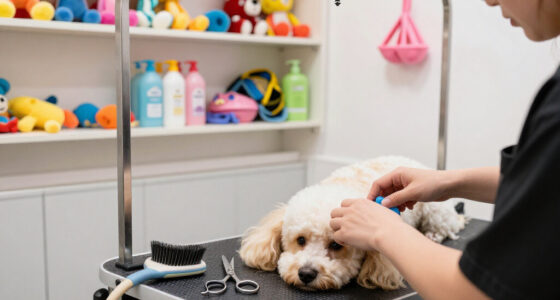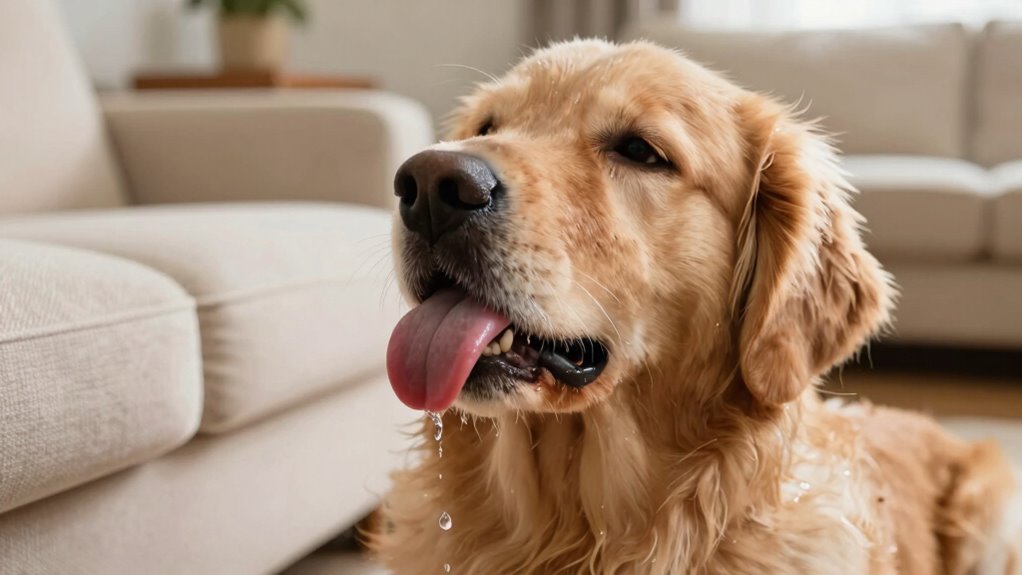
Caring for heavy-drooling breeds like Mastiffs or Bloodhounds means more than just wiping their mouths. You need to trim hair around their mouths, regularly clean their skin to prevent infections, and use waterproof mats in common areas to manage saliva stains. Routine baths and dental care also help keep them comfortable. Owners often overlook these details, but paying attention to these small tasks can make a big difference—if you want to learn how to do it right, keep going.

Get pet supplies delivered free with Prime
- Fast, free delivery on millions of items
- Prime Video, Amazon Music and more included
- Member-only deals all year
Key Takeaways
- Regularly check and clean the skin and folds around the mouth to prevent infections and irritation.
- Use waterproof mats or washable blankets in drooling hotspots to protect furniture and flooring.
- Trim hair around the mouth and neck to reduce saliva pooling and ease cleaning.
- Monitor for signs of skin irritation, foul odor, or discomfort, addressing issues early.
- Maintain routine veterinary dental care and hygiene to prevent oral infections that exacerbate drooling.
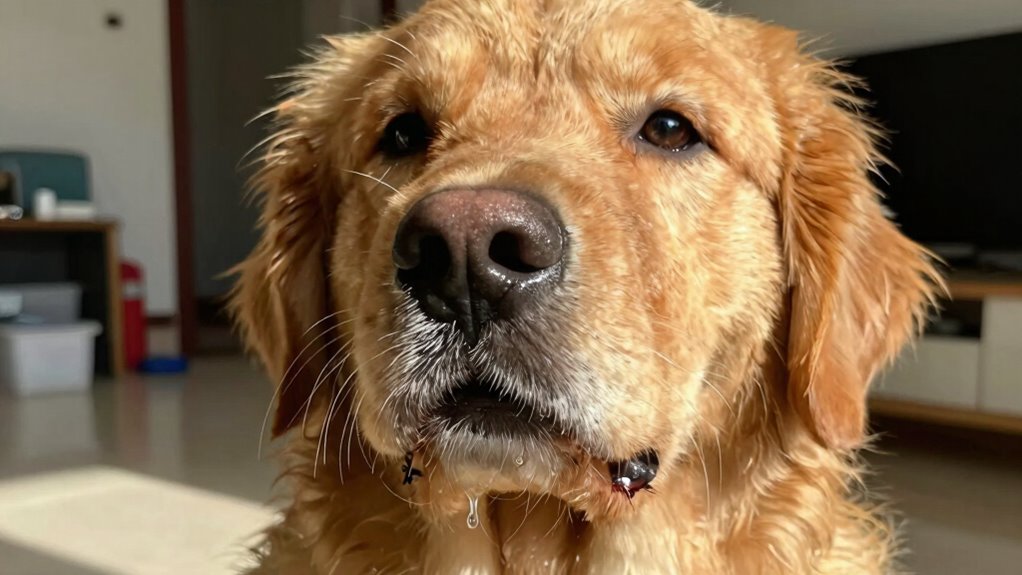
Some dog breeds are notorious for drooling excessively, and if you’re considering one of these breeds, it’s important to know what to expect. Heavy-drooling breeds tend to produce a constant flow of saliva that can quickly become a household challenge. It’s not just about wiping their mouths; managing this extra drool requires specific grooming techniques to keep your home clean and your dog comfortable. Regularly wiping their jowls with a damp cloth helps prevent saliva buildup, which can cause irritation or infection. You might also need to trim hair around their mouths and necks to reduce saliva pooling and make cleaning easier. Investing in washable blankets or waterproof mats for their favorite spots can also help protect furniture and flooring from drool stains.
Beyond cleanliness, you should be aware that some breeds prone to heavy drooling are also susceptible to breed-specific health issues. Breeds like the Mastiff, Bloodhound, and Saint Bernard often face health problems related to their drool, such as skin infections around the mouth, which can develop if moisture is left to accumulate. Regular grooming is essential to mitigate these risks. Besides wiping and trimming, routine baths help keep their skin healthy and reduce the chance of infections caused by trapped saliva and debris. Pay close attention to signs of irritation or foul odors, as these can indicate underlying issues that need veterinary attention. Recognizing breed-specific health issues early can help you take preventive measures and ensure your pet’s well-being. Additionally, understanding the genetic predispositions of certain breeds can aid in early detection and management of potential health concerns.
Understanding the breed-specific health issues associated with heavy drooling helps you stay proactive. For example, some breeds may be more prone to dental problems, which can exacerbate drooling and lead to gum infections if not addressed. Regular dental care, including brushing and professional cleanings, becomes even more vital. Additionally, excessive drooling can sometimes be a symptom of underlying health problems, such as oral infections, nausea, or neurological issues. If you notice a sudden increase in drooling, a visit to the vet is warranted to rule out medical causes. Proper veterinary care and early diagnosis can significantly improve your dog’s quality of life and prevent complications. Being aware of early warning signs can help you respond promptly to any health concerns. Recognizing the importance of preventive measures can further support your dog’s health and comfort.
Products Worth Considering

Fi Series 3+ GPS Dog Collar & Tracker, Membership Required, Gray Large

PetSafe ScoopFree Clumping Self-Cleaning Litter Box

PetSafe Electronic Pet Door – Collar Key Sensor – Large (up to 100 lb)
As an affiliate, we earn on qualifying purchases.
Frequently Asked Questions
Can Heavy Drooling Indicate Underlying Health Issues?
Yes, heavy drooling can indicate underlying health issues. It often relates to dental health problems like infections or dental disease, which cause discomfort and excess saliva. You should focus on saliva management by regularly checking your pet’s mouth and maintaining good oral hygiene. If the drooling persists or worsens, consult your veterinarian promptly to identify potential health concerns and guarantee proper treatment.
Are There Specific Grooming Routines for Drooling Breeds?
Yes, there are specific grooming routines for drooling breeds. You should regularly use grooming tools designed for saliva control, like gentle brushes and absorbent pads, to keep your pet comfortable. Starting a routine early helps manage excess saliva and prevents skin irritation. Pay close attention to the folds and wrinkles, cleaning them gently to avoid infections. Consistent grooming not only maintains hygiene but also keeps your dog happy and healthy.
How Can I Manage Drool Stains on Furniture?
To manage drool stains on furniture, start with quick cleaning using a damp cloth or upholstery cleaner to prevent stains from setting. Regularly wipe down the area, especially after your dog drools. Use washable covers or slipcovers to protect furniture and make stain prevention easier. Incorporate cleaning tips like treating stains promptly and using enzyme-based cleaners to break down saliva, ensuring your furniture stays clean and fresh.
Do Drooling Breeds Require Special Diets?
You don’t need a special diet for drooling breeds, but you should pay attention to their diet considerations and hydration habits. Proper nutrition supports overall health, which can reduce excessive drooling, while ensuring they stay well-hydrated helps manage saliva production. Keep water accessible and feed a balanced diet, and you might find that their drooling becomes more manageable—almost like controlling a tidal wave of saliva!
Is Heavy Drooling Hereditary or Preventable?
Heavy drooling can be hereditary, often due to breed differences influenced by genetic predisposition. While you can’t change genetics, you can manage drooling through regular grooming, keeping your dog’s mouth and face clean. Preventing excessive drooling isn’t always possible, but understanding your breed’s tendencies helps you prepare. Early training and maintaining good oral health can also reduce discomfort and mess, making life easier for both you and your dog.
Conclusion
So, when caring for heavy-drooling breeds, remember: patience is your loyal companion, and consistency is your best friend. These breeds might drool more than most, but with gentle care and understanding, you’ll turn challenges into bonding moments. Embrace the mess, cherish the moments, and see beyond the drool—because love, after all, is what truly makes your home a happy haven. Keep caring, keep loving, and let your patience shine through each drool-filled day.