Spaniel breeds are highly sensitive dogs that respond best to gentle, positive training methods. Your dog picks up on your tone, body language, and emotional cues, making patience and calmness essential. Harsh corrections can overwhelm or confuse them, while rewards like treats or praise foster trust and good behavior. By creating a predictable routine and a supportive environment, you help your spaniel feel secure and confident. Keep going, and you’ll discover even more ways to build a strong bond with your dog.

Get pet supplies delivered free with Prime
- Fast, free delivery on millions of items
- Prime Video, Amazon Music and more included
- Member-only deals all year
Key Takeaways
- Spaniels are highly sensitive to tone, body language, and environment, making gentle training essential for effective communication.
- Harsh corrections can overwhelm spaniels, leading to confusion, fear, and reduced training success.
- Positive reinforcement and calm approaches build trust, encouraging better learning and emotional well-being.
- Establishing routines and a predictable environment reduces stress and boosts confidence in spaniels.
- Emotional responsiveness requires trainers to use patience, kindness, and understanding to foster a strong bond.
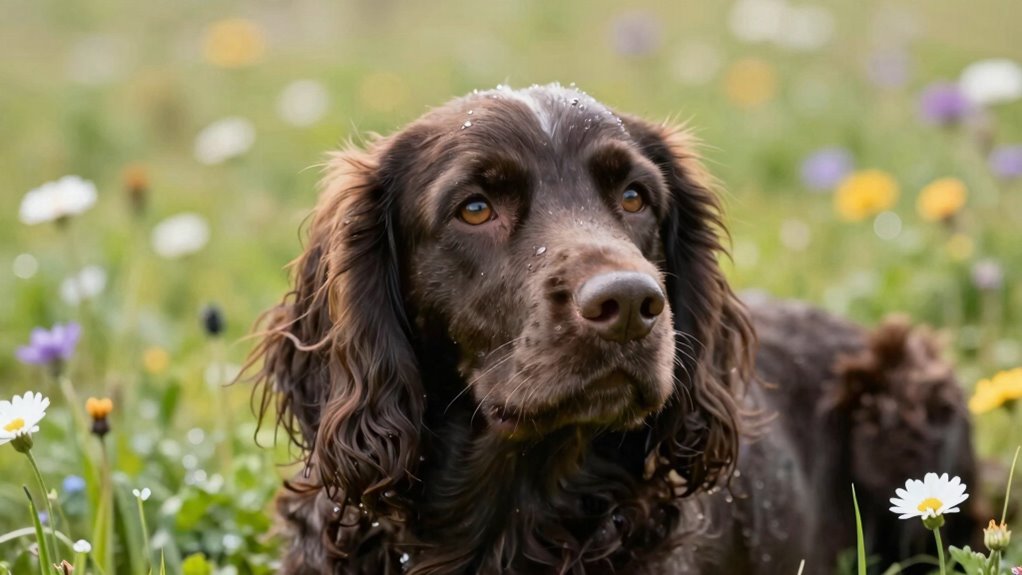
Spaniel breeds are known for their friendly and enthusiastic nature, but they also tend to be highly sensitive to their surroundings and the emotions of their owners. This sensitivity influences how they respond to training and highlights the vital importance of gentle techniques. When working with a spaniel, you need to recognize their emotional responsiveness and adapt your training methods accordingly. Harsh corrections or loud commands can easily overwhelm them, leading to confusion or fear, which hampers the learning process. Instead, your goal should be to establish a positive, trusting relationship through patience and calm communication.
Spaniels are sensitive and thrive with gentle, patient, and calm training approaches.
Using positive reinforcement is one of the most effective training techniques for spaniels. Reward-based methods, such as treats, praise, or play, reinforce good behavior without causing stress. Because these dogs are emotionally responsive, they pick up on your tone and body language. When you speak softly and use encouraging gestures, you help them feel safe and understood. This emotional connection makes training sessions feel more like bonding moments rather than battles, which increases your chances of success. Additionally, understanding dog emotional responsiveness can guide you in creating a training environment that fosters trust and cooperation. Recognizing and respecting their sensitivity to environment can prevent unintended stress and help maintain a calm training atmosphere. Being aware of their sensitivity to stimuli allows you to tailor the training setting to support their emotional well-being. Recognizing these sensitivity traits can lead to more effective and compassionate training approaches. Furthermore, maintaining a predictable routine can help your spaniel feel more secure and confident during training sessions.
Products Worth Considering

PetSafe Guardian GPS Dog Fence for Properties 3/4 Acre or Larger

Shark StainStriker HairPro Portable Carpet and Upholstery Cleaner, PX251

PetSafe ScoopFree Crystal Pro Self-Cleaning Cat Litter Box, Covered, Black
As an affiliate, we earn on qualifying purchases.
Frequently Asked Questions
How Do Spaniel Breeds Respond to Loud Training Methods?
Spaniel breeds typically don’t respond well to loud training methods, as they tend to be noise-sensitive. Instead, you should use positive reinforcement, praising good behavior with treats or affection. Loud commands or harsh tones can frighten or confuse them, making training harder. Gentle, patient approaches help spaniels learn effectively, building trust and encouraging a positive attitude toward training sessions.
Are Spaniels More Prone to Separation Anxiety?
Think of your spaniel as a delicate glass ornament, easily shattered by rough handling. Yes, they’re more prone to separation distress because their sensitive nature makes them vulnerable to anxiety triggers like being alone. Their gentle hearts respond best to calm, consistent routines. When you understand their emotional landscape, you prevent the cracks from forming, ensuring your bond remains strong and your pup feels safe, loved, and secure.
What Are Common Behavioral Issues in Sensitive Spaniel Breeds?
Sensitive spaniel breeds often face behavioral issues like excessive barking, clinginess, and difficulty adjusting to new environments. Their gentle temperament makes them responsive to training, but they need consistent socialization strategies to build confidence and reduce anxiety. You should focus on positive reinforcement and gradual exposure to new people and situations, which helps them feel secure. This approach fosters balanced behavior, ensuring your spaniel remains happy, well-adjusted, and less prone to behavioral problems.
How Early Should Gentle Training Begin With Spaniel Puppies?
You should start gentle training with your spaniel puppy as early as 7 to 8 weeks old. Focus on puppy socialization and gentle handling to build trust and confidence. Early socialization exposes your pup to different people, environments, and gentle commands, helping prevent behavioral issues later. Keep training positive, patient, and consistent, ensuring your puppy feels safe and loved as they learn proper manners and develop a strong bond with you.
Do All Spaniel Breeds Have the Same Sensitivity Levels?
Not all spaniel breeds share the same sensitivity levels. Breed differences and sensitivity factors play a significant role, meaning some may respond more delicately to training than others. You might notice subtle variations, and that’s where gentle training becomes essential. Pay close attention to each breed’s temperament, adapt your approach accordingly, and you’ll foster trust and cooperation—making training sessions smoother and more effective for every spaniel in your care.
Conclusion
Understanding the sensitivity of spaniel breeds helps you train with patience and kindness, making the process enjoyable for both of you. Imagine a shy young cocker spaniel, hesitant around new people—gentle, consistent training builds her confidence and trust. By recognizing her sensitivity, you foster a stronger bond and a well-behaved companion. Remember, a gentle approach isn’t just effective; it’s essential for nurturing your spaniel’s trusting, happy nature.