

Toy breeds have fragile frames, making them vulnerable to everyday risks like falls, bumps, and choking on small objects. Their tiny mouths and delicate bones mean they’re prone to injuries from rough play, stepped-on accidents, or biting hard toys. You need to be vigilant about hazards like cords, trash, and loose items, and supervise their activities closely. Keep your pet safe by understanding these risks—more helpful tips are just ahead.

Get pet supplies delivered free with Prime
- Fast, free delivery on millions of items
- Prime Video, Amazon Music and more included
- Member-only deals all year
Key Takeaways
- Small frames and fragile bones increase injury risk from falls, rough play, or furniture impacts.
- Tiny mouths are prone to dental issues, chipped teeth, and plaque buildup.
- Household objects, cords, and small items pose choking or entanglement hazards.
- Supervision during play and grooming is essential to prevent accidental injuries.
- Creating a hazard-free environment and using soft toys reduces everyday risks.
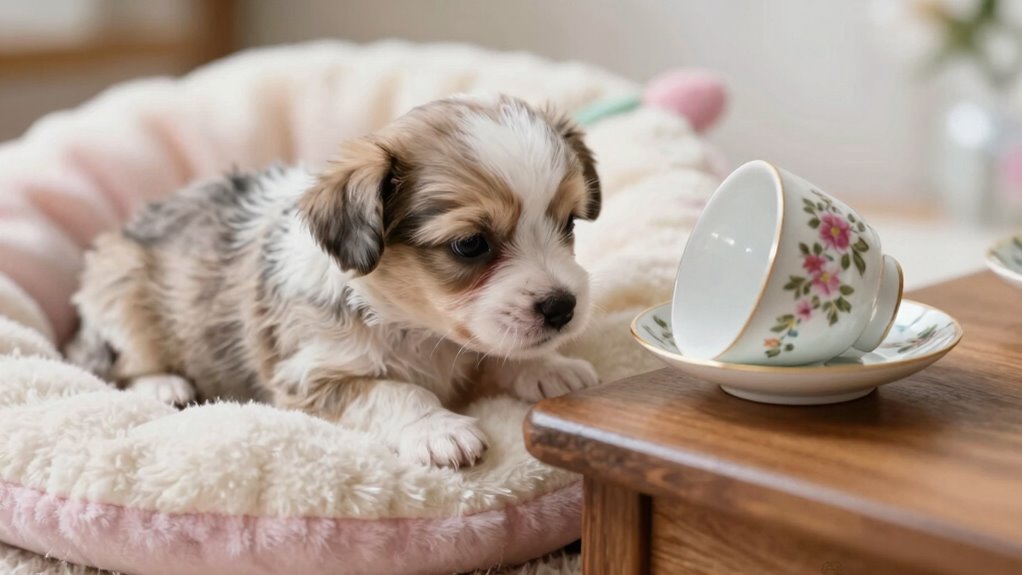
Toy breeds may be small, but they often require just as much care as larger dogs, especially because of their fragility. Their tiny frames make them more vulnerable to injuries that might seem minor in bigger dogs but can be serious in their case. For instance, miniature bone injuries are common if they jump from high furniture or are accidentally stepped on. Since their bones are delicate and less dense, even a small fall or rough play can lead to fractures or sprains. You need to be especially cautious during playtime and when moving furniture around. Always supervise your toy breed during active moments to prevent accidents. It’s also wise to provide soft bedding and avoid letting them jump from furniture heights that could cause harm. Recognizing the importance of biodiversity and conservation can help foster a respectful attitude toward all living creatures, including small pets. Delicate dental health concerns are another common issue in toy breeds. Their tiny mouths often host teeth that are crowded or misaligned, making it easier for plaque buildup, tartar, and gum disease to develop. Chewing on inappropriate objects or hard toys can lead to chipped or fractured teeth, which is painful and requires veterinary attention. Regular dental checkups are essential to catch problems early. Brushing their teeth daily with a pet-safe toothpaste can *substantially* improve their oral health, reducing the risk of infections or tooth loss. Be mindful of the type of toys you give them; avoid very hard or brittle toys that could crack their teeth. Instead, opt for softer, safe options designed for small mouths. Beyond bones and teeth, everyday risks are abundant for toy breeds. They are more prone to getting their limbs caught in small spaces or tangled in cords, which can cause injuries or panic. Keep small objects, trash, and cords out of their reach to minimize hazards. Their small size also makes them more susceptible to being accidentally crushed or stepped on, so always watch where you walk around them. Regular grooming and careful handling are essential to avoid causing stress or injury during routines like brushing or trimming. Additionally, injury prevention strategies, such as securing loose items and supervising play, can significantly reduce the likelihood of accidents. Educating yourself about the specific injury risks associated with toy breeds can further enhance your ability to prevent mishaps. It’s also helpful to be aware of safe environments, ensuring your home is free of potential hazards for these tiny pets. Providing proper training from an early age can also help minimize their chances of engaging in risky behaviors. Ultimately, understanding the fragility of toy breeds helps you tailor your care to keep them safe. Pay attention to their specific needs, avoid risky situations, and stay proactive with health checks. When you prioritize their safety and comfort, you ensure your tiny companion lives a happy, healthy life despite their delicate nature.
As an affiliate, we earn on qualifying purchases.
Frequently Asked Questions
How Do Toy Breeds Differ From Larger Dog Breeds?
Toy breeds differ from larger dog breeds mainly in size, weight, and fragility, making them more delicate and prone to injury. You need to pay extra attention to their dog nutrition, ensuring they get appropriate portions, and use grooming essentials suited for their small, sensitive bodies. Their tiny frames require gentle handling and careful supervision during play to prevent accidents, so you can keep them safe and healthy.
Are Certain Toy Breeds More Fragile Than Others?
Some toy breeds are more fragile than others, like delicate porcelain figurines in a bustling room. Breed-specific vulnerabilities can make them more prone to injury, especially during small dog agility activities. For instance, Chihuahuas and Yorkshire Terriers often have thinner bones and fragile skin, demanding extra caution. You need to handle these tiny treasures gently, watching closely to prevent accidents and guarantee they stay safe amid life’s lively chaos.
What Are Common Signs of Injury in Toy Breeds?
You’ll notice signs of injury in your toy breed if they suddenly become less playful or show signs of pain, like whimpering or limping. Watch for swelling, bleeding, or sensitivity when touched. Because puppy playfulness can sometimes hide injuries, it’s crucial to monitor closely and prioritize injury prevention. If you see any of these signs, consult your vet immediately to guarantee proper care and healing.
How Can I Train My Toy Breed to Stay Safe?
Training your toy breed is like planting a sturdy tree—careful nurturing leads to a safe, confident pup. Use grooming tips to keep them comfortable and healthy, which boosts their confidence. Incorporate socialization strategies early, exposing them to different environments and people gently. Consistent positive reinforcement helps your tiny companion learn boundaries. With patience and care, you’ll shape a well-behaved, cautious dog who stays safe in everyday situations.
Are There Specific Toys That Are Unsafe for Small Dogs?
Yes, certain toys can be unsafe for small dogs. Avoid secure chew toys that are too hard, as they can crack tiny teeth, and steer clear of toys with small parts that pose choking hazards. Always choose appropriately-sized toys designed for toy breeds, and supervise playtime. Regularly inspect toys for damage, discarding any with loose parts. Your goal is to prevent choking hazards and guarantee your pup’s safety during play.
Conclusion
Just remember, your tiny companion is like a delicate glass ornament—beautiful but fragile. By staying vigilant and mindful of their vulnerabilities, you become the sturdy shield they need. Treat their tiny frame with care, and you’ll help protect their sparkle and joy for years to come. With a gentle touch and watchful eye, you create a safe haven where their spirit can shine brightly, unbroken by the everyday risks that threaten their fragile world.
Halloween Picks
halloween
As an affiliate, we earn on qualifying purchases.