
TL;DR

Get pet supplies delivered free — and shop member deals
- Fast, free delivery on millions of items
- Access to Prime Big Deal Days deals on October 6–7
- Prime Video, Amazon Music and more included
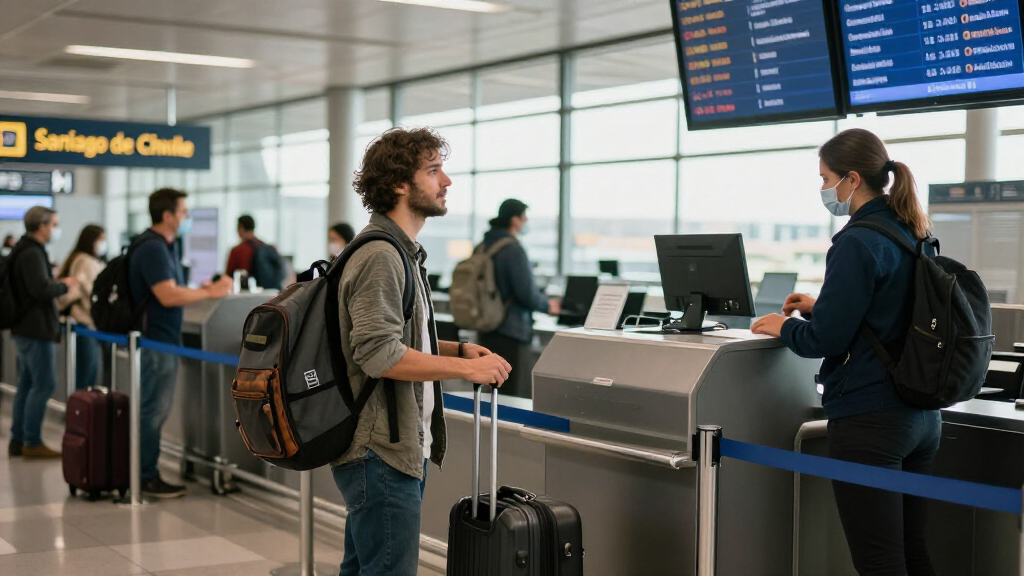
Santiago de Chile Airport and the Ministry of Agriculture confirm a significant increase in pet travel. Authorities advise travelers to plan ahead to manage the rising demand effectively.
Santiago de Chile Airport and the Ministry of Agriculture have confirmed a notable increase in pet travel through the city’s main international gateway. This development comes amid rising demand for international pet transportation, prompting authorities to advise travelers to prepare in advance. The announcement highlights the need for travelers to consider new procedures and regulations due to the surge.
According to official statements from Santiago de Chile Airport and the Ministry of Agriculture, pet travel has seen a significant uptick in recent months. While specific numbers have not been disclosed, authorities indicate the trend is substantial enough to warrant public advisories. The rise is believed to be linked to increased international movement of residents and the growing popularity of pet-friendly travel options.
The Santiago Airport has reported higher volumes of animals being transported by air, with some flights experiencing capacity constraints for pet cargo. Meanwhile, the Ministry of Agriculture emphasizes the importance of compliance with health and safety regulations, including quarantine and vaccination requirements, which travelers must adhere to when transporting pets.
Officials recommend that travelers planning to take pets abroad or bring them into Chile start preparations early. This includes obtaining necessary documentation, ensuring vaccinations are up-to-date, and understanding the specific airline policies and quarantine procedures involved. The authorities also emphasize that failure to comply with these regulations could result in delays, fines, or denial of entry or exit.
The confirmed increase in pet travel at Santiago de Chile Airport signifies a broader shift in travel patterns, likely driven by rising global mobility and pet ownership trends. For travelers, this means more planning is required to ensure compliance with health and safety standards. For authorities, the surge presents logistical challenges, including managing increased cargo, ensuring biosecurity, and maintaining smooth airport operations. The announcement underscores the importance of proactive measures to prevent disruptions and protect public health.
As an affiliate, we earn on qualifying purchases.
Background on Pet Travel Regulations and Trends in Chile
Pet travel has historically been regulated by strict health and safety standards in Chile, with specific quarantine, vaccination, and documentation requirements. Over recent years, there has been a gradual increase in pet ownership and international travel, driven by economic growth and changing social norms. The COVID-19 pandemic initially slowed international travel, but demand has rebounded strongly since then, with more residents seeking to take pets abroad or bring foreign animals into the country.
While the overall trend of increased pet travel has been observed globally, Chile’s specific rise is now drawing attention from authorities and industry stakeholders. The trend’s exact scale remains uncertain, and officials have not yet released detailed figures or data to quantify the surge.
Unconfirmed Factors Behind the Surge in Pet Travel
It is not yet clear what specific factors are driving the increase in pet travel. Officials have not provided detailed data or analysis to confirm whether economic, social, or other influences are the primary causes. The exact scale of the surge and whether it is a temporary spike or a sustained trend remain uncertain.
Additionally, it is unclear how airlines and border agencies are adjusting their procedures to accommodate this rise, or if new regulations are being considered.
Expected Measures and Traveler Guidance Moving Forward
Authorities are likely to implement or update regulations to manage the increased pet travel effectively. Travel agencies, airlines, and border agencies will probably enhance communication and streamline procedures to handle higher volumes. Travelers should anticipate more detailed advisories and possibly new documentation requirements in the coming weeks.
Further official data and updates are expected as the trend continues, with authorities monitoring the situation closely to prevent disruptions and ensure compliance.
Key Questions
What are the main regulations for transporting pets through Santiago Airport?
Transporting pets requires compliance with health and safety standards, including vaccinations, quarantine protocols, and proper documentation. Travelers should consult airline policies and the Ministry of Agriculture’s guidelines well in advance.
How can travelers prepare for increased pet travel demands?
Travelers should start early by obtaining necessary health certificates, confirming vaccination status, and understanding airline and border procedures. Planning ahead can prevent delays and complications.
Are there any new policies expected due to this rise?
While specific new policies have not been announced, authorities may strengthen existing regulations or introduce new measures to better manage the rising demand. Travelers should stay updated through official channels.
Is this increase in pet travel expected to continue?
It is currently uncertain whether this is a temporary spike or part of a longer-term trend. Officials are monitoring the situation, but no definitive projections have been made.
What should airlines do to accommodate this trend?
Airlines may need to adjust cargo capacity, improve handling procedures, and communicate clearly with passengers about requirements to ensure smooth pet transportation.
Source: local
Halloween Picks
halloween
As an affiliate, we earn on qualifying purchases.