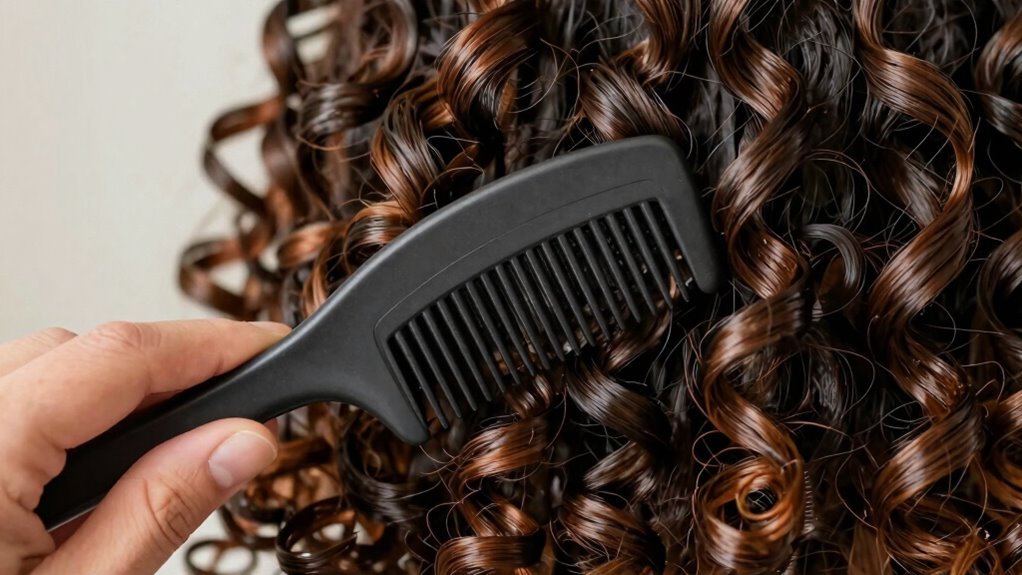

Curly coats need a different brushing routine because their dense, coiled hair can easily tangle and mat without proper care. Using the right tools, like a slicker brush and wide-tooth comb, helps loosen dirt and loose hair gently. Regular, gentle brushing prevents discomfort, skin issues, and mat formation. A consistent routine keeps your pet comfortable and healthy, making grooming easier over time. Keep going to discover more tips to manage your pet’s curly coat effectively.
Listen free for 30 days with Audible
Thousands of audiobooks and originals — cancel anytime.
As an affiliate, we earn on qualifying purchases.
Key Takeaways
- Curly coats require specialized brushes, like slickers and wide-tooth combs, to prevent damage and manage dense, coiled hair effectively.
- Regular, gentle brushing helps distribute natural oils, maintaining the coat’s health and preventing matting.
- Curly hair is more prone to tangles; a different routine ensures knots are detangled without causing discomfort.
- Frequent grooming (daily or every other day) is essential to prevent buildup and early detection of skin issues.
- Professional grooming may be necessary to maintain the shape and health of curly coats, requiring tailored brushing techniques.
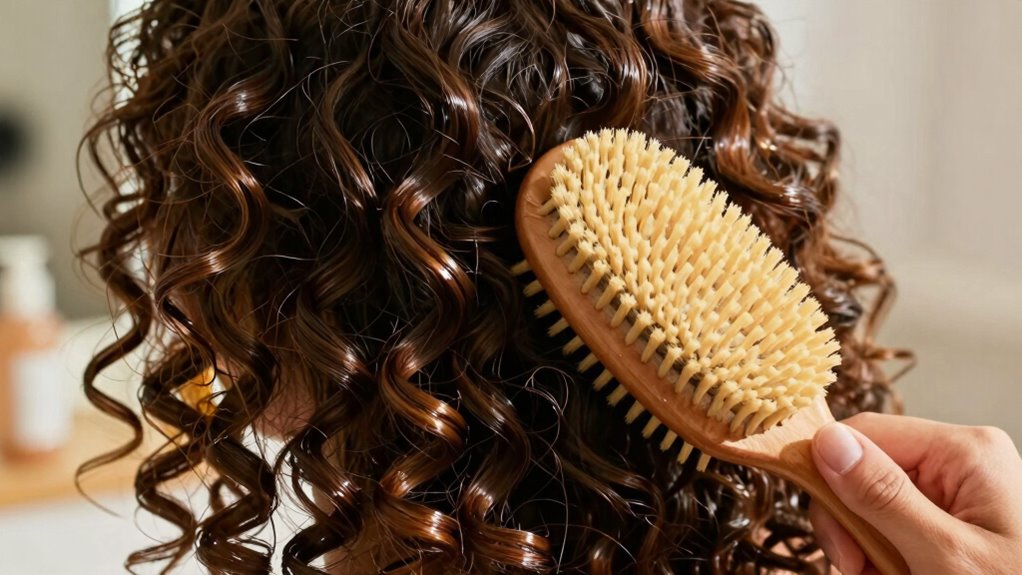
If you have curly coats, establishing a consistent brush routine is essential for keeping your pet’s fur healthy and looking its best. Curly coats require specific grooming tools designed to manage their unique texture, and regular brushing plays a fundamental role in coat maintenance. Unlike straight-haired breeds, curly coats tend to trap dirt, debris, and loose hair more easily, which can lead to matting and skin issues if neglected. That’s why choosing the right grooming tools is crucial—you want brushes that can penetrate the curls without causing discomfort or damage.
For curly coats, a slicker brush with fine, closely spaced bristles is often your best friend. It helps loosen dirt and loose hair while gently detangling curls. You might also consider a wide-tooth comb to work through knots without pulling or stressing the fur. These tools are specially designed to handle the dense, coiled nature of curly hair, ensuring you can maintain a tidy, mat-free coat with less frustration. Regular brushing not only keeps the fur looking neat but also promotes healthy skin by distributing natural oils, preventing dryness, and reducing the risk of irritation. Incorporating proper grooming techniques can also minimize skin irritation and discomfort for your pet.
When grooming, it’s important to be gentle and patient. Curly coats tend to be sensitive, and aggressive brushing can cause discomfort or even skin injury. Start at the tips of the curls and work your way up toward the roots, using smooth, steady strokes. This approach helps prevent pulling and minimizes breakage. If you encounter a stubborn knot, don’t yank—use a detangling spray and work through it gradually with your fingers or a wide-tooth comb. Consistency is key; daily or every-other-day brushing keeps the coat manageable and reduces the chances of mats forming. Additionally, understanding the specific grooming needs of your dog’s breed can make a significant difference in maintaining a healthy coat. Proper grooming techniques not only improve the effectiveness of your routine but also help in preventing discomfort and skin issues. Regular grooming sessions also give you an opportunity to check for parasites or skin abnormalities that could otherwise go unnoticed.
Coat maintenance isn’t just about brushing; it’s also about understanding your specific dog’s needs. Some breeds with curly coats may require professional grooming sessions to keep their fur in ideal condition. Regular grooming sessions allow you to check for skin issues, parasites, or other concerns that might otherwise go unnoticed. Remember, the goal isn’t just appearance but overall health and comfort. Using the right grooming tools and adhering to a consistent routine makes managing a curly coat much easier. It’s a small investment of time that pays off in a healthier, happier, and more comfortable pet.
As an affiliate, we earn on qualifying purchases.
Frequently Asked Questions
How Often Should I Replace My Curly Hair Brush?
You should replace your curly hair brush every six to twelve months to maintain proper curly hair maintenance. Over time, brushes can accumulate product buildup, hair, and bacteria, which can damage your curls. When considering brush material considerations, opt for natural or flexible bristles that gently detangle without causing breakage. Regularly replacing your brush guarantees your routine stays effective and your curls stay healthy and defined.
Can I Use a Regular Brush on Curly Coats?
You shouldn’t use a regular brush on curly coats because it’s a common curly hair myth that all brushes work the same. Regular brushes can break and frizz your curls, damaging your natural hair care routine. Instead, opt for a wide-tooth comb or a brush designed for curly hair, which helps maintain your curl pattern, reduce breakage, and keep your hair healthy and moisturized.
What Tools Are Best for Detangling Curly Coats?
Think of detangling curly coats as unraveling a tangled necklace—you need gentle tools. The best tools are wide-tooth combs or your fingers, which help avoid breaking curls. Forget the myths about using regular brushes; they can cause damage. Use the best detangling techniques by starting at the ends and working upward slowly. This keeps curls healthy and reduces breakage, making your curly coat look its best.
Do Different Hair Textures Require Different Brushing Techniques?
Yes, different hair textures require specific brushing techniques to achieve ideal results. For example, curly hair benefits from gentle, texture-specific styling to prevent breakage and maintain curl definition, while straight hair may need a different approach for smoothness. Using the right technique helps with moisture retention, reducing frizz and damage. Tailoring your brushing routine ensures your hair stays healthy, shiny, and well-maintained, regardless of your texture.
How Do I Prevent Breakage When Brushing Curly Hair?
To prevent breakage when brushing curly hair, start with a heat protectant spray to shield your strands from damage. Use a wide-tooth comb or your fingers to gently detangle, working from the ends upward. Apply moisturizing sprays regularly to keep curls hydrated and reduce friction. Avoid brushing dry curls, as this can cause breakage. Instead, detangle when damp and be gentle to maintain your curls’ health and shape.
Conclusion
Think of your curly-coated friend as a delicate garden—you wouldn’t use a harsh rake on fragile blooms. When you adapt your brushing routine, you nurture their unique texture and health. I once watched a friend gently detangle her curly pup, and her dog’s coat shimmered like a well-tended rose. Just like tending a garden, a tailored routine keeps curls vibrant and strong, proving that patience and care truly make all the difference.
Fall Picks
fall essentials
As an affiliate, we earn on qualifying purchases.