To build a canine emergency kit, gather essential first aid supplies like sterile gauze pads, adhesive bandages, antiseptic wipes, and a pet-specific thermometer. Include emergency items such as a collapsible water bowl, clean water, and medication only with vet advice. Know how to control bleeding, perform CPR, and recognize signs of illness. Ensuring your kit is complete and accessible can make a vital difference—keep exploring for detailed tips on preparing for any pet emergency.
Key Takeaways
- Include essential supplies like sterile gauze, adhesive bandages, antiseptic wipes, and a pet-specific thermometer in your kit.
- Add emergency items such as a collapsible water bowl, clean water, and veterinarian contact information.
- Learn basic first aid skills: controlling bleeding, wound dressing, and pet CPR through reputable courses.
- Regularly check and replace expired supplies, and ensure all household members know the kit’s location and use.
- Assess your home environment for hazards and prepare your kit to respond quickly during emergencies.
Have you ever wondered what to do if your dog suddenly gets injured or falls ill? It’s a stressful situation, but being prepared can make all the difference. Building a canine emergency kit is a essential step in ensuring your pet’s safety and improving your emergency preparedness. When accidents happen unexpectedly, having the right supplies on hand can help you provide immediate care and potentially save your dog’s life. It’s not just about having the essentials; it’s about understanding what to do during those critical moments.
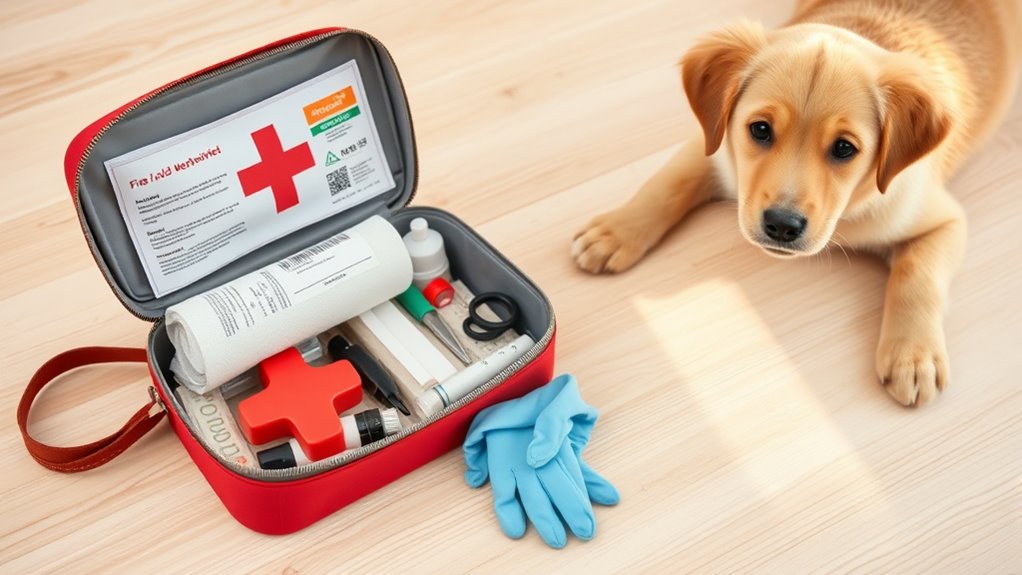
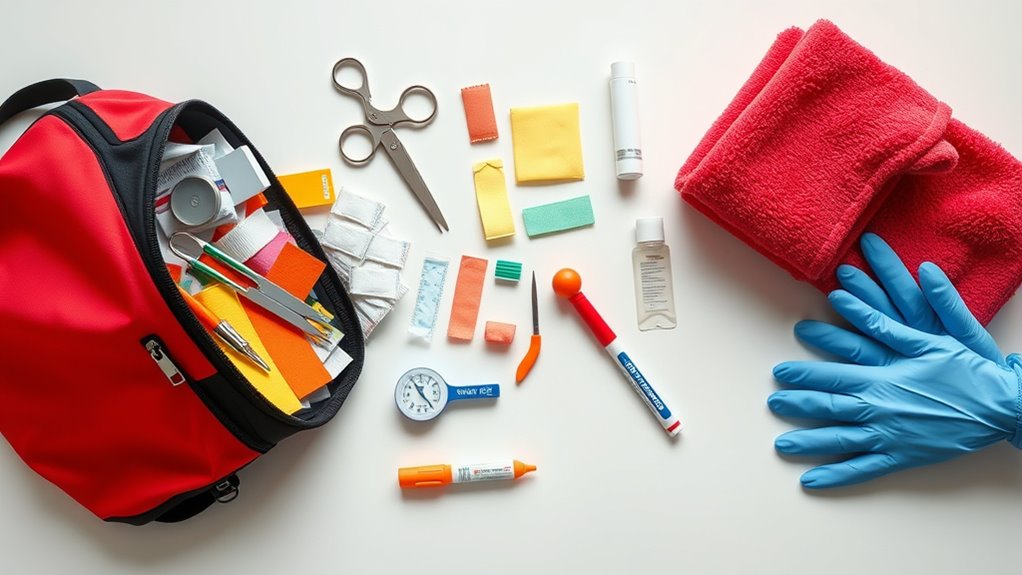
Start by gathering basic first aid supplies: sterile gauze pads, adhesive bandages, antiseptic wipes, and a digital thermometer designed for pets. These items allow you to control bleeding, clean wounds, and monitor your dog’s temperature if you suspect fever or hypothermia. A pair of clean scissors and tweezers are also important for removing debris or splinters from injuries. Include a collapsible water bowl and clean water to keep your dog hydrated during emergencies, especially if they’re distressed or unable to drink normally. Remember, pet safety is your priority, so never use human medications unless explicitly advised by your veterinarian.
Gather essential first aid supplies and keep them accessible for pet emergencies.
Having a well-stocked first aid kit is just one piece of the puzzle. It’s equally essential to educate yourself on basic pet first aid procedures. Knowing how to properly apply pressure to a bleeding wound or how to perform CPR can be lifesaving. Take the time to learn these skills through reputable pet first aid courses or online tutorials. This knowledge enhances your emergency preparedness, giving you confidence to act quickly when it matters most.
Additionally, understanding your dog’s home environment and potential hazards can help prevent emergencies from occurring in the first place, further safeguarding your pet’s wellbeing.
Label your emergency kit clearly and store it in an easily accessible location, ideally with your other pet supplies. Make sure everyone in your household knows where it is and how to use its contents. Regularly check expiration dates on medications and supplies, replacing items as needed. Also, keep a list of emergency contacts, including your veterinarian, the nearest animal emergency clinic, and poison control for pets. Having these numbers handy ensures you’re ready to seek professional help without delay.
In the end, building a first aid kit tailored for your dog isn’t just about having supplies — it’s about fostering pet safety and being proactive in your emergency preparedness. When accidents happen, your quick response can make all the difference. Being prepared means you’re not only caring for your dog’s health but also reducing the stress and panic that can occur during emergencies. It’s a simple step that demonstrates your commitment to your pet’s well-being and peace of mind.

ARCA PET Cat & Dog First Aid Kit for Car – Pet Emergency Kit for Home Office Travel – Dog Camping Essentials with Digital Thermometer, Muzzle & Mini First Aid Pouch
ENSURE PET SAFETY ON THE GO with our dog travel accessories, dog must haves in pet travel. Our…
As an affiliate, we earn on qualifying purchases.
As an affiliate, we earn on qualifying purchases.
Frequently Asked Questions
How Often Should I Update My Dog’s Emergency Kit?
You should update your dog’s emergency kit at least every six months to guarantee kit maintenance and include seasonal updates. Regularly check the supplies for expiration dates, replace used or damaged items, and add items relevant to the current weather conditions. Staying proactive helps you stay prepared for emergencies, and seasonal updates ensure you’re ready for specific risks like heatstroke in summer or cold-related issues in winter.
Can I Use Human Medications on Dogs in Emergencies?
Using human medications on dogs in emergencies is like tossing a grenade into their tiny, delicate bodies—dangerous and unpredictable. Human medication safety isn’t guaranteed for dogs, and improper doses can cause serious harm. Store emergency medication safely out of reach, and always consult your vet before administering any medication. Never guess—your dog’s health depends on proper, vet-approved treatments, not human meds.
What’s the Best Way to Calm a Frightened Dog During an Emergency?
To calm a frightened dog during an emergency, use gentle calming techniques like speaking softly and offering a comforting touch. Keep your voice steady and reassuring to promote anxiety reduction. Create a safe space by removing stressors and encourage your dog to stay close. Using a calming vest or playing soothing music can also help. Your calm demeanor and patience are key to helping your dog feel secure during stressful situations.
How Do I Recognize Signs of Shock in My Dog?
You recognize signs of shock in your dog when they display pale gums, rapid breathing, weakness, or cool, clammy skin. If you notice these dog injury signs, act fast by keeping your dog warm and calm, and avoid giving food or water. Your emergency response steps include contacting your vet immediately, keeping your dog still, and monitoring their essential signs until help arrives. Recognizing shock early can save your dog’s life.
Should I Include Specific Items for My Dog’s Breed in the Kit?
Yes, you should include breed-specific supplies and tailored first aid items in your dog’s kit. Different breeds may have unique needs, such as special medications, support for brachycephalic breathing issues, or specific grooming tools. By customizing your kit with breed-specific supplies, you guarantee you’re prepared for any emergency. Always research your dog’s breed to identify potential health concerns, and include items that address those needs for effective first aid.
ARCA PET Cat & Dog First Aid Kit for Car – Pet Emergency Kit for Home Office Travel – Dog Camping Essentials with Digital Thermometer, Muzzle & Mini First Aid Pouch
ENSURE PET SAFETY ON THE GO with our dog travel accessories, dog must haves in pet travel. Our…
As an affiliate, we earn on qualifying purchases.
As an affiliate, we earn on qualifying purchases.
Conclusion
By preparing a canine emergency kit, you’re giving your furry friend the best chance in a crisis. It’s easy to overlook, but taking this small step can save lives and ease your pet’s pain. Don’t wait until it’s too late—your dog trusts you to protect them. With a little effort now, you’ll feel confident knowing you’re ready to handle emergencies and keep your loyal companion safe and loved, no matter what happens.

iProven Dog & Cat Thermometer for Accurate Fever Detection, Comfortable Flexible Tip, Waterproof Pet Thermometer, Fast Readings in 20 sec, Whelping and Veterinary Supply, DTK-117Y
COMFORTABLE FOR YOUR PET – The thermometer can be used for pets and is designed to be comfortable…
As an affiliate, we earn on qualifying purchases.
As an affiliate, we earn on qualifying purchases.
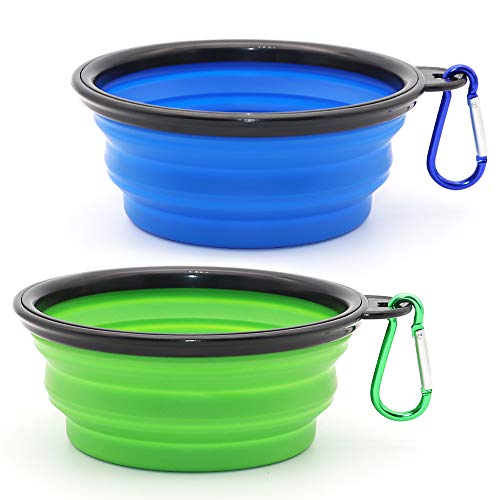
Dog Bowl Pet Collapsible Bowls, 2 Pack for Cats Dogs, Portable Pet Feeding Watering Dish for Walking Parking Traveling with 2 Carabiners (Small, Blue+Green)
COLLAPSIBLE DESIGN: These collapsible dog bowls are designed for space saving,easy to expand and fold away,portable and handy,foldable…
As an affiliate, we earn on qualifying purchases.
As an affiliate, we earn on qualifying purchases.