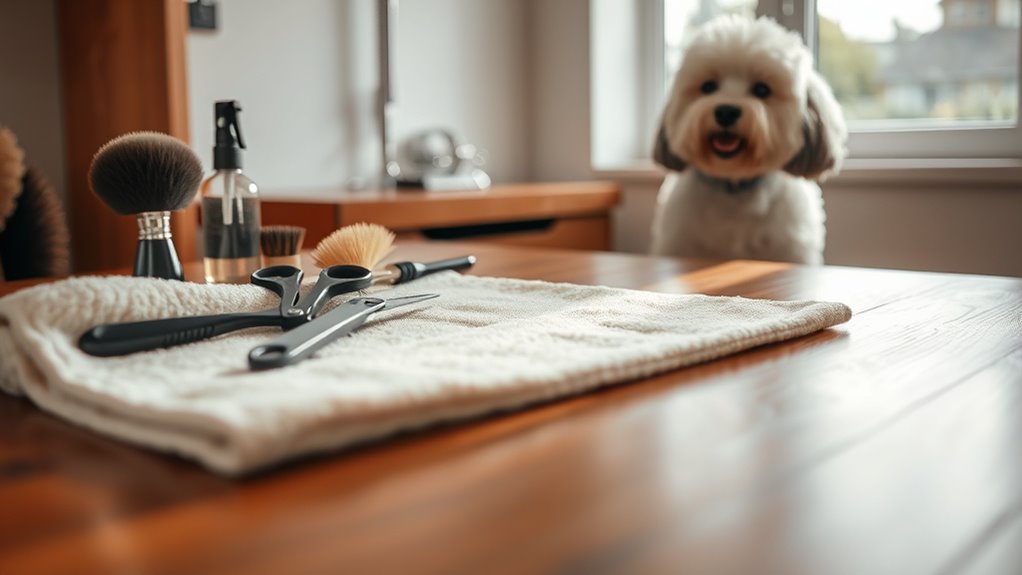
How often you should schedule grooming appointments depends on your dog’s breed and coat type. Long-haired breeds like Shih Tzus need trims every 4 to 6 weeks to prevent mats, while short-haired breeds such as Beagles usually require grooming every 8 to 12 weeks. By understanding your dog’s specific needs, you make certain they stay comfortable and healthy. Keep exploring for more tips on creating the perfect grooming routine for your furry friend.
Key Takeaways
- Grooming frequency varies by breed, with long-haired breeds needing trims every 4-6 weeks and short-haired breeds every 8-12 weeks.
- Regular grooming appointments help prevent mats, reduce shedding, and maintain coat health based on your dog’s specific needs.
- Consult with a professional groomer or veterinarian for personalized scheduling tailored to your dog’s coat type and lifestyle.
- Establishing a consistent grooming routine minimizes stress and ensures your dog stays comfortable and well-maintained.
- Use breed-specific guidelines and high-quality tools to determine the appropriate grooming interval and method.
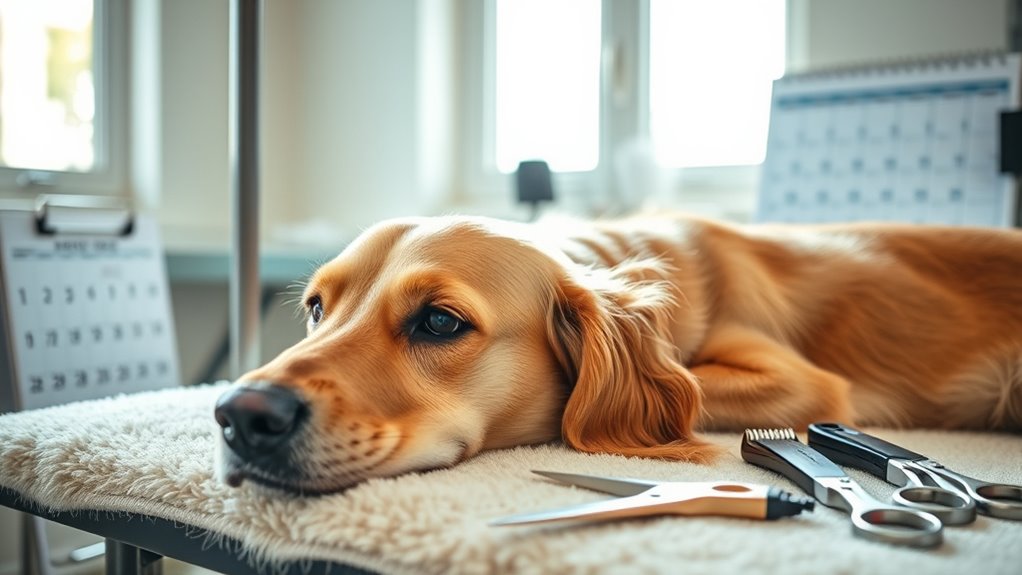
Scheduling grooming appointments can be straightforward if you plan ahead and stay organized. One of the first steps is understanding your dog’s specific needs, which are heavily influenced by dog breed considerations. Different breeds have unique coat types, shedding patterns, and grooming requirements, so knowing these details helps you determine how often your dog needs professional grooming. For example, long-haired breeds like Shih Tzus or Afghan Hounds may require more frequent trims to prevent mats and tangles, often every 4 to 6 weeks. Conversely, short-haired breeds like Beagles or Boxers typically need less frequent grooming, maybe every 8 to 12 weeks, mainly for bathing and basic maintenance. Recognizing these breed-specific needs ensures you don’t over- or under-groom your dog, keeping them comfortable and healthy.
Once you understand your dog’s breed considerations, the next step is selecting the right grooming tools. Proper grooming tool selection is vital because it influences the quality of grooming and your dog’s comfort. For breeds with long, thick coats, you’ll want to invest in a good slicker brush or pin brush to manage tangles and remove loose hair effectively. For dogs with shorter hair, a rubber grooming mitt or a gentle bristle brush may suffice. If your dog has a tendency to shed heavily, a de-shedding tool like a grooming rake can help reduce hair around your home. When choosing grooming tools, opt for high-quality, ergonomic designs that are comfortable to hold and easy to maneuver. This not only makes grooming sessions more efficient but also minimizes discomfort for your dog. Additionally, understanding the importance of community engagement can help you connect with other pet owners or professionals to get personalized recommendations and tips. Remember, using the correct tools tailored to your dog’s coat type makes a significant difference in how often you should schedule appointments and how smooth the process will be.
Planning your grooming schedule around your dog’s breed considerations and selecting appropriate grooming tools streamlines the entire process. It helps you establish a routine that fits your pet’s specific needs while avoiding unnecessary stress or discomfort. If you’re unsure about what tools to choose or how often to schedule grooming, consult your veterinarian or a professional groomer. They can provide personalized advice based on your dog’s breed, coat condition, and lifestyle. Ultimately, staying proactive and informed guarantees your dog’s grooming is effective, comfortable, and consistent. This approach not only keeps your dog looking and feeling their best but also strengthens your bond through caring and attentive grooming sessions.
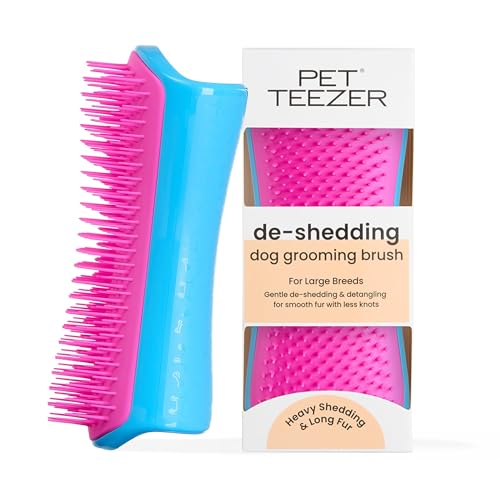
Pet Teezer De-Shedding Dog Brush by Tangle Teezer, Dog Grooming Tool for Long Haired Breeds and Wet or Dry Fur, Large, Blue & Pink
Deshedding Dog Brush: With patented two-tier teeth technology, the longer teeth gently remove dirt, reaching down to the…
As an affiliate, we earn on qualifying purchases.
As an affiliate, we earn on qualifying purchases.
Frequently Asked Questions
How Can I Tell if My Dog Needs a Grooming Sooner?
You’ll know your dog needs grooming sooner if you notice behavior changes like increased scratching or licking, which can indicate discomfort. Coat changes, such as matting, excessive shedding, or a greasy feel, are also signs. If their fur looks unkempt or smells bad, it’s time to schedule a grooming. Regular checks help catch these signs early, keeping your pup comfortable and healthy between appointments.
Are There Breed-Specific Grooming Schedules I Should Follow?
Yes, there are breed-specific grooming schedules you should follow. Different breeds require varying grooming routines based on coat type, length, and activity level. For example, long-haired breeds like Shih Tzus need frequent brushing and trims, while short-haired breeds like Beagles may only need occasional baths. By understanding your dog’s breed-specific grooming needs, you can keep your pet comfortable, healthy, and looking their best.
What Signs Indicate My Dog Is Uncomfortable During Grooming?
If your dog shows signs of discomfort during grooming, like trembling, whining, or trying to escape, it may be experiencing dog anxiety or grooming discomfort. You’ll notice excessive panting, lip licking, or tense body language, indicating they’re stressed. Pay attention to these cues, and consider taking breaks or using calming techniques. Recognizing these signs helps you make grooming a positive experience and reduces your dog’s anxiety over time.
How Do I Prepare My Dog for Their Grooming Appointment?
Getting your dog ready for their grooming appointment is as easy as pie! Start by familiarizing them with grooming tools, making the experience less scary. Keep their environment calm and offer treats to reduce dog anxiety. Before the appointment, give them a short walk to burn off energy. This way, your pup feels relaxed, confident, and ready for a smooth grooming session.
Can Grooming Frequency Affect My Dog’s Health or Coat Condition?
Yes, grooming frequency can affect your dog’s health and coat condition. Over-grooming may cause skin irritation or hair loss, while infrequent grooming can lead to matting and skin infections. Using proper grooming products and techniques helps maintain a healthy coat and skin. Regular grooming ensures that dirt, parasites, and loose hair are removed, promoting overall well-being and a shiny, comfortable coat for your dog.

SleekEZ Dog Brush for Shedding & Dog Grooming Supplies | Pet Hair Removal Tool | Great For All Fur Types | For Short, Medium, & Long Hair Pets | Reduces Shedding by 95% | Made in USA | 5 inch
SAVE MONEY: Reduce expensive trips to the groomer. Our dog shedding brush works great as a dog brush…
As an affiliate, we earn on qualifying purchases.
As an affiliate, we earn on qualifying purchases.
Conclusion
Scheduling grooming appointments is like tending a garden—you need to nurture it regularly to keep everything healthy and vibrant. By understanding your dog’s breed, coat type, and lifestyle, you’ll find the perfect rhythm for grooming. Don’t wait for mess or mats to take over; instead, stay ahead of the game. Consistent grooming is your dog’s ticket to feeling fresh, happy, and looking sharp—keeping your bond strong like a well-tuned symphony.

STANDARD SCHNAUZER DOG GROOMING GUIDE: Mastering the Art of Taking Your Schnauzer From Scruffy to Stunning with Essential Tips, Tools and Techniques
As an affiliate, we earn on qualifying purchases.
As an affiliate, we earn on qualifying purchases.

VELATYVIO 240Pcs Pet Grooming Appointment Reminder Cards Paw Prints Client Business Card for Vet Office Dog Spa Boarding Training Cats Care 3.54 x 2inch 2 Colors
【Value Pack】You will receive 240pcs pet grooming appointment reminder cards in two colors,with 120 cards for each color.The…
As an affiliate, we earn on qualifying purchases.
As an affiliate, we earn on qualifying purchases.