
When grooming your pet at home, avoid trimming delicate areas like the face, especially around the eyes, ears, and nose, unless you’re experienced. Be cautious around paws and paw pads, as over-trimming can cause pain or injury. The genital region is highly sensitive and best left to professionals to prevent irritation or infection. Knowing these zones helps make certain your pet’s safety and comfort. Keep exploring for essential tips to keep your grooming safe and effective.
Key Takeaways
- Avoid trimming around the eyes, ears, and nose to prevent injury or discomfort due to their delicate skin and tissues.
- Do not trim paw pads or the fur surrounding paws to prevent pain, nerve damage, or difficulty walking.
- Refrain from trimming the genital and other highly sensitive regions without professional guidance to avoid irritation or infection.
- Use caution and avoid excessive trimming of facial areas to prevent accidental cuts and skin damage.
- Seek professional grooming assistance for any area requiring precision or if unsure about proper techniques.

Ever wondered how to keep your pet looking its best without leaving home? If you’re considering grooming your furry friend on your own, it’s vital to understand the areas you should avoid trimming alone. While grooming at home can save time and money, it also requires careful attention to animal safety. Not every part of your pet’s body is suitable for DIY trimming, and mishandling can lead to discomfort or injury. Knowing where to refrain from trimming helps you maintain your pet’s well-being and prevents unnecessary stress.
Start by recognizing that certain sensitive areas should be left to professional groomers or handled with extreme caution. The face, especially around the eyes, ears, and nose, is one such region. The skin around the eyes is delicate, and even a small slip with grooming shears can cause pain or injury. The ears contain sensitive tissue and are prone to infections if not cleaned or trimmed properly, so unless you have experience, it’s best to leave this task to experts. The nose, being highly sensitive, should never be trimmed, as cutting or poking can cause discomfort or bleeding. In these areas, animal safety should always be your top priority.
Avoid trimming the face, ears, and nose to prevent injury; leave these sensitive areas to professionals.
Similarly, the paws and pads require special care. While trimming the fur around the paws can be helpful in avoiding matting, the pads themselves are sensitive and contain nerve endings. Over-trimming or accidental cuts can cause pain and difficulty walking. If you do choose to trim paw fur, do so with precise, gentle movements and clean, sharp tools. Proper tool maintenance is essential here; dull or dirty shears increase the risk of pulling hair or causing injury. Always disinfect your grooming tools before and after use to prevent infections and ensure safe grooming sessions. Additionally, understanding the importance of animal anatomy can help you avoid unintentional harm during grooming. *Being aware of the proper grooming techniques* ensures you handle your pet safely and effectively. Furthermore, taking the time to educate yourself on basic pet grooming safety can significantly reduce the risk of accidents and injuries. Learning about safe grooming practices can empower you to make informed decisions about which areas to groom yourself and when to seek professional help.
Another area to avoid is the genital region. This area is highly sensitive and prone to irritation. Trimming here can be tricky, and mistakes may lead to discomfort, irritation, or even infection. Using the right grooming tools and technique can make a difference, but in such delicate zones, consulting a professional is often the safest choice. If you notice matting or excessive hair in this region, consult a professional groomer who can handle it safely. Ultimately, understanding your limits and recognizing which areas require professional attention helps you safeguard your pet’s safety and comfort.

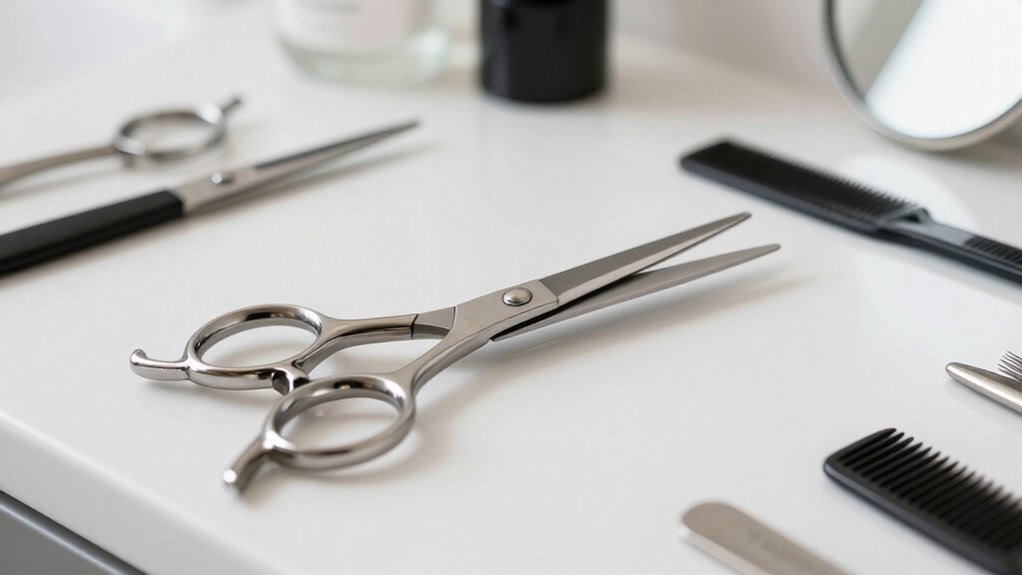
Professional 4 in 1 Dog & Cat Grooming Scissors Kit with Safety Round Tips,Sharp & Durable,Dog Shears for Grooming – Includes Straight, Curved, Thinning Scissors and Comb – Premium Pet Supplies
- Complete Grooming Kit: Includes straight, curved, thinning scissors and comb
- Safe Round Tips: Designed to prevent skin pokes and injuries
- Noise-Reducing Handles: Silencer minimizes noise for stress-free grooming
As an affiliate, we earn on qualifying purchases.
As an affiliate, we earn on qualifying purchases.
Frequently Asked Questions
Can I Use Regular Scissors Instead of Grooming Shears?
You can use regular scissors for DIY grooming, but they aren’t ideal compared to grooming shears. Scissors vs shears, grooming shears are specifically designed for hair, providing better control, precision, and safety. Regular scissors may cause uneven cuts or damage hair. If you’re serious about grooming at home, investing in proper grooming shears is worth it, ensuring a cleaner, safer, and more professional-looking result.
How Often Should I Sharpen My Grooming Shears?
If you want your grooming shears to stay sharp, you should sharpen them every 6 to 12 months, depending on usage. For example, if you use your shears weekly, sharpening more frequently keeps the blades in top condition. Regular blade maintenance is key, so monitor for dullness or difficulty cutting. Proper sharpening frequency guarantees precise trims and extends your shears’ lifespan, saving you money in the long run.
Are There Specific Shears for Different Pet Breeds?
Yes, there are breed-specific scissors designed to suit different pet breeds. These tailored grooming tools help you achieve precise results, especially for breeds with unique coat textures or styles. Using breed-specific scissors guarantees your pet’s grooming is safe and effective, preventing accidental cuts or uneven trims. Investing in the right tailored grooming tools makes your grooming routine easier and helps maintain your pet’s coat health and appearance.
What Safety Precautions Should I Take During Trimming?
To guarantee pet safety during trimming, always use sharp, appropriate grooming shears and keep your pet calm. Follow proper trimming techniques, like trimming slowly and avoiding sensitive areas. Keep your hand steady to prevent accidental cuts, and work in a well-lit space. Use treats and praise to keep your pet relaxed. Regular breaks help maintain your pet’s comfort and safety, making grooming a positive experience for both of you.
Can Grooming Shears Be Used for Trimming Nails?
Grooming shears are not suitable for nail trimming. For your pet’s nails, use specially designed nail clippers or grinders to guarantee safety. Using shears can cause injury or splintering, especially around delicate areas like the pet paw. Stick to tools made for nail trimming to avoid pain or accidental cuts. Properly trimming nails helps keep your pet comfortable and prevents damage to furniture or skin.
Conclusion
So, next time you pick up those grooming shears, remember—you’re not just trimming fur, you’re wielding the power to turn your pet into a hairy masterpiece or a fuzzy disaster! Avoid those tricky spots unless you want your pet to look like a wild jungle explorer or a cartoon character. Play it safe, stick to the easy areas, and your furry friend will thank you with endless cuddles (and maybe a little less hair everywhere). Happy grooming!