
To understand dog licensing and registration requirements, you need to learn your local laws, which often involve filling out a form, providing proof of rabies vaccination, and paying a small fee. Licensing is usually required annually and helps authorities track your pet, ensuring compliance and safety. It also makes it easier to recover your dog if it gets lost or causes an incident. Keep informed, and you’ll find it easier to follow all the rules and care for your dog properly.
Key Takeaways
- Licensing typically requires submitting a form, proof of rabies vaccination, and paying a small annual fee.
- Licenses help authorities track the canine population and locate pets if lost or involved in incidents.
- Dog licensing is legally required in many areas to ensure compliance with local laws and regulations.
- Responsible pet ownership includes understanding licensing laws and adhering to breed-specific and leash regulations.
- Failing to license a dog can result in fines, penalties, and legal liabilities, emphasizing the importance of proper registration.

Are you aware of the licensing and registration requirements for your dog? If not, it’s essential to understand these laws to guarantee you’re compliant and protect your pet. Licensing isn’t just a bureaucratic step; it’s an indispensable part of responsible pet ownership. When you register your dog, you’re helping local authorities keep track of the canine population, which can be critical in case your pet gets lost or causes an incident. Many cities and counties require dog owners to license their pets annually, and failing to do so can result in fines or other penalties. The process is usually straightforward—simply fill out a form, provide proof of rabies vaccination, and pay a small fee. By doing this, you also demonstrate your commitment to responsible pet ownership, which can be beneficial if any issues arise in the future.
Understanding pet ownership laws extends beyond just licensing. These laws often include regulations about dog breeding, leash requirements, and restrictions on certain breeds. Dog breeding, in particular, is heavily regulated in many areas to prevent overpopulation and ensure the welfare of the animals. If you’re considering breeding your dog, you’ll need to familiarize yourself with local laws that specify licensing, health standards, and possibly even permits. These regulations are designed to prevent illegal and inhumane breeding practices, which can lead to serious legal consequences. Even if you’re not a breeder, knowing the laws helps you recognize what’s legal and ethical when it comes to raising and caring for your pet.
Pet ownership laws also address issues like leash laws, noise ordinances, and responsibilities for cleaning up after your dog. Many communities require dogs to be on a leash when outside the property to prevent accidents or conflicts with other animals and people. These laws are in place to keep everyone safe and foster harmonious neighborhoods. Ignoring them can result in fines or a liability for any injuries caused by your dog. Additionally, some regions have breed-specific legislation, restricting or banning certain breeds deemed dangerous. It’s imperative to stay informed about these laws because they can directly impact your ability to own or breed particular dogs.
Finally, being aware of licensing and registration requirements isn’t just about avoiding penalties; it’s about being a responsible pet owner who cares about your dog’s well-being and the community’s safety. By staying up-to-date with pet ownership laws, you help promote responsible dog ownership, prevent legal issues, and ensure your pet remains a loved and protected member of your family. Being familiar with local laws can also help you access resources and support for pet care and training.

Official Certified Service Dog Customized Certificate with Raised Embossed Gold Seal | Includes Registration at US Service Dogs Registry
☑️ CUSTOMIZED DOCUMENTS: One (1) Original Custom Full Page Size (8-1/2” X 11”) Service Dog Certificate with your…
As an affiliate, we earn on qualifying purchases.
As an affiliate, we earn on qualifying purchases.
Frequently Asked Questions
Are There Any Exemptions for Senior or Service Dogs?
Yes, there are exemptions for senior dogs and service dogs. Senior dog exemptions often mean you don’t need to register your aging pet, depending on local laws. For service dog registration, many areas recognize these dogs as trained to assist you, and hence, they’re usually exempt from licensing requirements. Always check your local regulations because exemptions can vary, but generally, service dogs are protected and often exempt from standard licensing rules.
How Do I Transfer Registration if I Move?
When you move, you need to transfer your dog’s registration by updating your address with the local licensing authority. Start by submitting your registration paperwork along with proof of your new residence. You may need to pay a dog license renewal fee if your current license is close to expiration. Contact your local animal control or licensing office to confirm specific requirements and guarantee your dog’s registration stays valid in your new location.
What Are the Consequences of Not Licensing My Dog?
Imagine your dog as a member of the family, but neglecting licensing is like leaving them unprotected. If you don’t license your dog, you risk liability fines and legal penalties that can pile up quickly. Plus, it hampers your ability to recover your pet if they get lost. Failing to license isn’t just a mistake; it’s a risk that could cost you financially and legally, so don’t delay.
Can I License My Dog Online or Only in Person?
Yes, you can license your dog online, making the registration process quick and convenient. Most local authorities now offer online licensing options through their official websites, allowing you to complete the registration process from home. Simply visit the relevant site, fill out the necessary information, pay the fee, and you’ll receive your dog’s license. This online licensing option saves you time and effort compared to traditional in-person registration.
Are There Different Requirements for City vs. County Registration?
Yes, city and county registration requirements differ. You must follow municipal regulations and pay registration fees specific to each jurisdiction. City rules might require proof of vaccinations, while county rules could have different fee structures or renewal processes. You’ll need to verify local ordinances to guarantee compliance. By understanding these distinctions, you avoid penalties and keep your dog properly registered, whether in the city or the county.

4×3 Vaccination Card Holder 10pk. Waterproof Scratch Less and Zip Resealable. ID Badge Holder, Immunization Card Protector, holde, Name Tag ID Badge, Cover Sleeve Pouch
This pack includes 10 premium 4×3 vaccination card protector sleeves, giving you enough for the entire family or…
As an affiliate, we earn on qualifying purchases.
As an affiliate, we earn on qualifying purchases.
Conclusion
Knowing your dog’s licensing and registration requirements is like having a map in unfamiliar territory—you’re always guided and protected. By staying compliant, you ensure your furry friend stays safe and legal, avoiding fines or lost-status worries. Keep records up-to-date just like you’d keep a compass handy. When you understand these rules, it’s as smooth as a well-trained pup walking beside you, making the journey of pet ownership joyful and stress-free.

COMTIM 2 Pack Dog Tag Clips, Stainless Steel Heavy Duty Quick Clips Pet ID Tag Holder for Dog/Cat Collar and Harness
Perfect ID Tags & Collar Accessories – Set of 2 dog tag clips, come with 4 Split O-Rings…
As an affiliate, we earn on qualifying purchases.
As an affiliate, we earn on qualifying purchases.
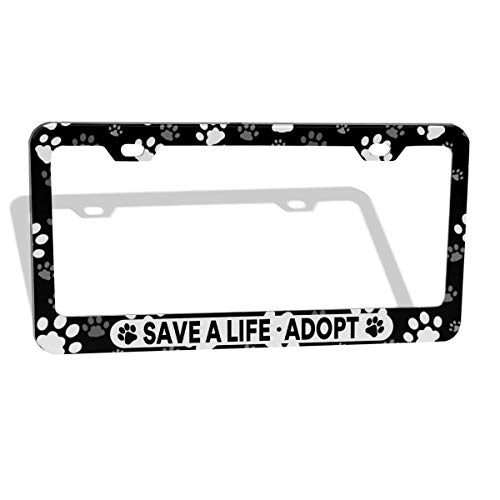
DZGlobal Save A Life Adopt Pet Cat Dog License Plate Frames Paw Prints Design License Plate Covers Aluminum Novelty Car Tag Frame 2 Holes and Screws for Adults
Duty aluminum frame: Thick outdoor license plate frame is made from rust-resistant and weather-proof aluminum composite multiply material,…
As an affiliate, we earn on qualifying purchases.
As an affiliate, we earn on qualifying purchases.