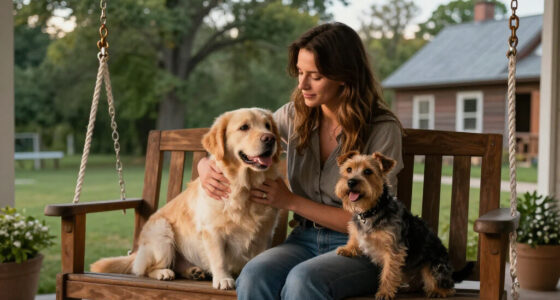

To introduce a new bed or crate without resistance, start by placing it in a calm, familiar area and use positive reinforcement, like treats and praise, to encourage your dog’s curiosity. Let your dog explore at their own pace without pressure, and reward every attempt to build positive associations. Be attentive to their reactions and adjust your approach accordingly. With patience and consistency, your dog will start viewing the new space as safe and inviting. Learn more about making the process smoother.

Get pet supplies delivered free with Prime
- Fast, free delivery on millions of items
- Prime Video, Amazon Music and more included
- Member-only deals all year
Key Takeaways
- Place the crate or bed in a quiet, familiar area to create a calm environment for introduction.
- Use positive reinforcement like treats and praise to encourage voluntary exploration.
- Introduce the new item gradually, allowing the dog to approach at their own pace.
- Incorporate familiar routines and commands to build consistency and comfort.
- Observe your dog’s reactions and adjust your approach to ensure they feel safe and relaxed.

Introducing a new bed or crate to your pet can be smooth and stress-free if you approach it thoughtfully. Pets are creatures of habit, and sudden changes can cause anxiety or resistance. To guarantee a positive experience, start by understanding your dog’s behavior and how they typically respond to new environments or objects. Recognizing signs of discomfort or hesitation will guide you in adjusting your approach.
Introducing new items gradually and observing your dog’s reactions creates a safer, more positive experience.
When introducing a new bed or crate, the key is to make it feel safe and inviting. Begin by placing the bed or crate in a familiar space where your dog already spends time. Keep the area calm and quiet, avoiding high traffic or loud noise that might startle your pet. Use positive reinforcement techniques, like treats or praise, to encourage your dog to explore the new item at their own pace. Don’t force them inside; instead, let their curiosity lead the way. This approach aligns with effective crate training techniques, which emphasize patience and gradual exposure rather than pressure. Being mindful of your dog’s natural behaviors can help you tailor your approach for better results. Additionally, understanding biodiversity and the importance of respecting natural behaviors can help create a more harmonious environment for your pet and your household. Observing your dog’s innate instincts can also help you recognize their comfort levels and reactions more accurately.
Your goal is to associate the new bed or crate with positive experiences. Toss treats inside the crate, and encourage your dog to go in on their own. Sit nearby and praise them for their efforts, reinforcing the idea that this new space is a safe zone. If your dog is hesitant, you can use toys or a favorite blanket to make the environment more appealing. Consistency is vital—use the same commands and routines so your dog understands what’s expected. Over time, this consistency helps reduce resistance and builds positive associations with the new bed or crate. Additionally, being attentive to your dog’s natural instincts can help you better interpret their reactions and ease their transition.
Frequently Asked Questions
How Long Does It Typically Take for a Dog to Accept a New Bed?
It usually takes a dog a few days to a week to accept a new bed, depending on their comfort shift and anxiety management. To help, make the bed cozy with familiar blankets or toys, and encourage your dog to explore it gradually. Stay patient and consistent, offering praise and treats during the process. With time and gentle encouragement, your dog will feel more at ease and see the new bed as a safe space.
Are There Specific Breeds That Adapt More Easily to New Crates?
Some breeds, like Labrador Retrievers and Beagles, tend to adapt more easily to new crates due to their breed adaptability and social nature. To help your dog adjust, use positive reinforcement and gentle crate training techniques. Make the crate inviting with treats and toys, and gradually increase crate time. Patience and consistency are key, ensuring your dog feels safe and comfortable in its new space.
Should I Remove My Pet’s Old Bed When Introducing a New One?
You should remove your pet’s old bed when introducing a new one. In crate training, bed placement influences comfort and acceptance; keeping the old bed nearby might cause confusion, making it harder for your pet to associate the new bed with relaxation. For example, a dog used to an old, familiar bed might resist the crate initially. Removing the old bed helps your pet focus on and accept the new bed, easing the shift.
What if My Pet Shows Signs of Anxiety With the New Crate?
If your pet shows signs of anxiety with the new crate, focus on behavior modification and environmental comfort. Gradually introduce the crate, using treats and praise to create positive associations. Keep the environment cozy with familiar blankets or toys, and avoid forcing your pet inside. Patience is key; over time, your pet will feel more secure and comfortable, reducing anxiety and building trust in their new space.
Is There a Best Time of Day to Introduce the New Bed or Crate?
You can introduce the new bed or crate anytime that suits your routine, but mid-morning or early evening often works best. During crate training, place the bed in a cozy corner, making it inviting. Choose a calm moment when your pet’s relaxed, so they associate the new space with comfort. Consistency in bed placement and timing helps your pet adjust smoothly without resistance, building positive associations naturally.
Conclusion
So, next time you bring home that shiny new bed or crate, don’t be surprised if your furry friend acts like they’d rather sleep on a cactus. Ironically, your patience and gentle approach are what win them over in the end. After all, what’s more amusing than watching your pet pretend they’re unimpressed—until they secretly adore it? Just remember, the more resistance they show, the sweeter the victory when they finally settle in happily.
Fall Picks
fall essentials
As an affiliate, we earn on qualifying purchases.