
TL;DR

Get pet supplies delivered free with Prime
- Fast, free delivery on millions of items
- Prime Video, Amazon Music and more included
- Member-only deals all year
Health officials have announced new safety measures for pets due to the recent reappearance of screwworm infestations in parts of the US. The development aims to protect animals from this parasitic threat, which can cause severe health issues.
Health officials have introduced new safety protocols for pets in response to the recent reappearance of screwworm infestations in parts of the United States. The measures aim to prevent pets from being affected by this parasitic fly, which can cause serious health problems. This development is significant for pet owners in affected regions and public health authorities managing the outbreak.
The US Department of Agriculture (USDA) and state veterinary agencies announced new guidelines on March 15, 2024, to protect pets from screwworm infestations. The protocols include increased surveillance, public awareness campaigns, and specific treatment recommendations for pets showing signs of infestation. The reemergence of screwworms, previously eradicated in the US, has been confirmed in southern states, including Texas and Florida, according to officials.
Experts from the USDA confirmed that the screwworm fly (Cochliomyia hominivorax), which was eradicated through sterile insect techniques decades ago, has been detected again in these regions. The infestation can lead to severe tissue damage in animals if not promptly treated. Pet owners are advised to keep their animals indoors during peak fly activity and to seek veterinary care if symptoms appear.
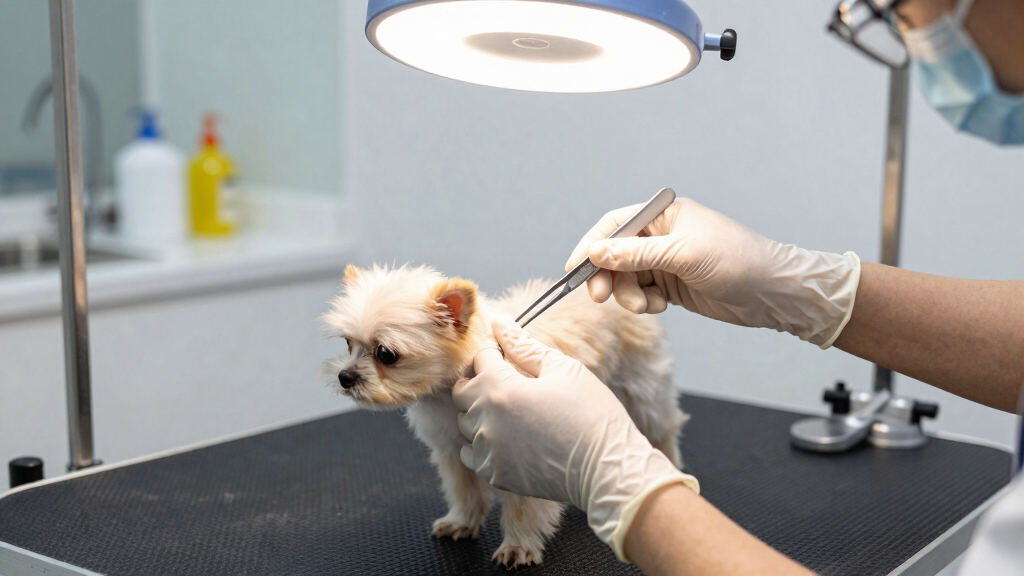
Veterinary authorities emphasize that early detection and treatment are crucial. The recommended treatments include topical insecticides and, in severe cases, surgical removal of affected tissue. The outbreak has prompted a coordinated response involving wildlife agencies, veterinary clinics, and local governments to contain the spread.
Implications of the Screwworm Resurgence for Pet Safety
The reappearance of screwworms in the US represents a significant threat to pet health and indicates potential challenges in pest control and biosecurity. The parasite can cause extensive tissue destruction, leading to costly treatments and, in severe cases, euthanasia. The situation underscores the importance of vigilance among pet owners and veterinary practitioners in affected areas.
This development also raises concerns about the effectiveness of current eradication programs and the need for ongoing surveillance to prevent further outbreaks. The public health implications extend beyond pets, as screwworms can also affect livestock and wildlife, complicating regional pest management efforts.
pet insecticide spray for screwworm prevention
As an affiliate, we earn on qualifying purchases.
As an affiliate, we earn on qualifying purchases.
Background on Screwworms and Past Eradication Efforts
Screwworm infestations were once a major problem in the US, causing economic and animal health issues. The USDA implemented an eradication program in the 1960s using sterile insect techniques, which successfully eliminated the pest from the mainland for decades. However, recent detections suggest that the fly has reestablished itself in parts of the southern US, likely due to climate factors and increased movement of animals across borders.
The last major outbreak occurred in the early 2000s, prompting a resurgence of eradication efforts. The current situation marks a concerning return of a pest that was considered eradicated, prompting renewed attention to biosecurity and pest control measures.
“The detection of screwworms in these regions is a serious concern. Early intervention and public awareness are key to preventing widespread impact on pets and livestock.”
— Dr. Emily Carter, USDA entomologist
Uncertainties Surrounding the Outbreak’s Scope and Duration
It is not yet clear how widespread the screwworm infestation will become or how long the outbreak will last. Authorities are still assessing the extent of the reemergence, and the effectiveness of containment measures remains to be seen. There is also uncertainty about whether additional regions will be affected in the coming months.
Next Steps in Managing and Monitoring the Outbreak
Public health agencies plan to increase surveillance, conduct targeted treatments, and launch public awareness campaigns over the coming weeks. Veterinary clinics are advised to report suspected cases promptly. Researchers will continue monitoring the situation to assess the effectiveness of containment efforts and determine if further measures are needed.
Key Questions
What are the signs of screwworm infestation in pets?
Signs include open wounds, tissue swelling, and foul odor. Pet owners should seek veterinary care if these symptoms appear.
How can pet owners protect their animals?
Keep pets indoors during peak fly activity, use veterinarian-recommended insect repellents, and regularly check for wounds or signs of infestation.
Is this outbreak dangerous to humans?
While screwworms primarily affect animals, humans can be affected if they come into contact with infested animals or environments. Proper precautions and hygiene are advised.
Are there treatments available for screwworm infestations?
Yes, veterinarians can treat infestations with topical insecticides and surgical removal of affected tissue if necessary.
What is being done to control the outbreak?
Authorities are increasing surveillance, conducting targeted treatments, and launching public awareness campaigns to contain the spread.
Source: google-trends
Halloween Picks
halloween
As an affiliate, we earn on qualifying purchases.