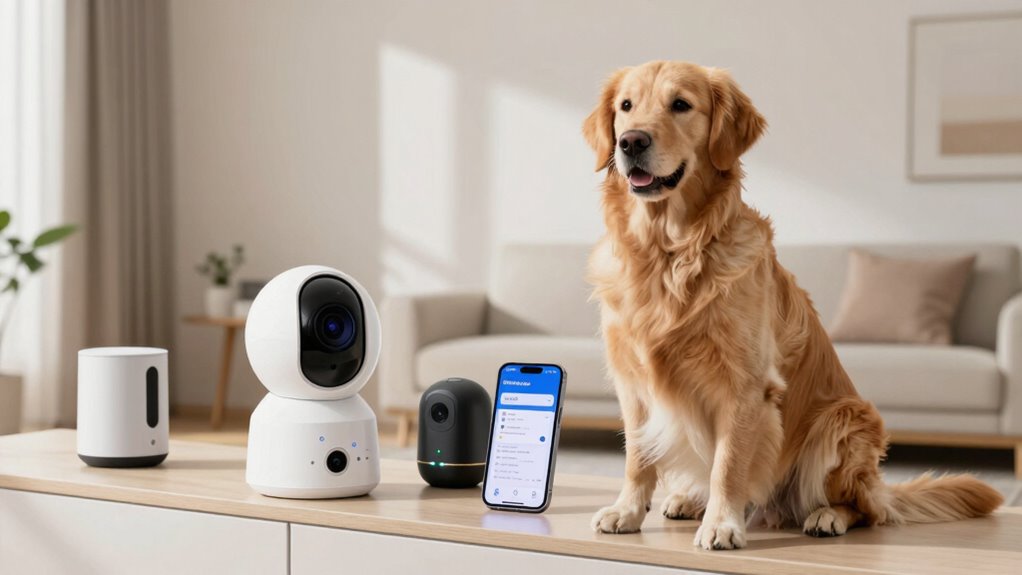

Pet tech devices collect data like your pet’s location, activity, sleep, and health metrics to monitor their well-being and improve features. However, this information can be shared with third parties or sold, raising privacy concerns. To reduce risks, limit data sharing, enable encryption, use strong passwords, and review privacy settings regularly. Stay informed about your device’s data practices—you’ll find more tips to protect your pet’s privacy ahead.
Key Takeaways
- Pet tech devices often collect location, activity, health, and behavioral data to monitor pet well-being and safety.
- Many devices share data with third parties, such as marketers or analytics firms, sometimes without owner awareness.
- To reduce data collection, review privacy policies, limit permissions, and choose devices with local storage or encryption features.
- Regularly update device firmware, use strong passwords, and enable two-factor authentication to enhance privacy protection.
- Adjust privacy settings, review device logs, and stay informed about data practices to maintain control over your pet’s data.
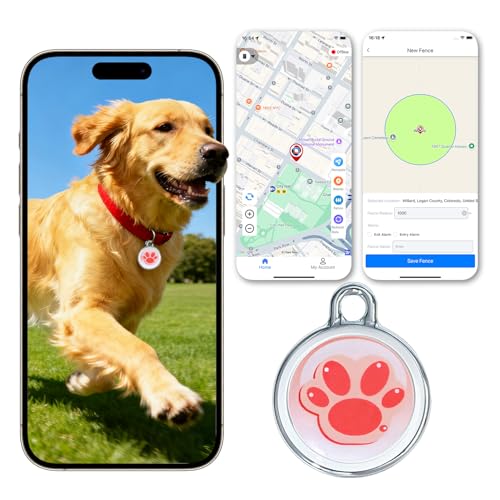
2026 Now GPS Tracker for Pet, No Monthly Fee & No SIM Card Needed | Real-Time Tracking for Dogs, Cats & Small Animals | Lightweight Design | Long Battery Life | Compatible with iPhone & Android
🐕 No Monthly Fee GPS Tracker for Pets – Lifetime Free Tracking Save $100+ yearly! This GPS tracker…
As an affiliate, we earn on qualifying purchases.
As an affiliate, we earn on qualifying purchases.
What Are the Privacy Risks of Using Pet Tech Devices?
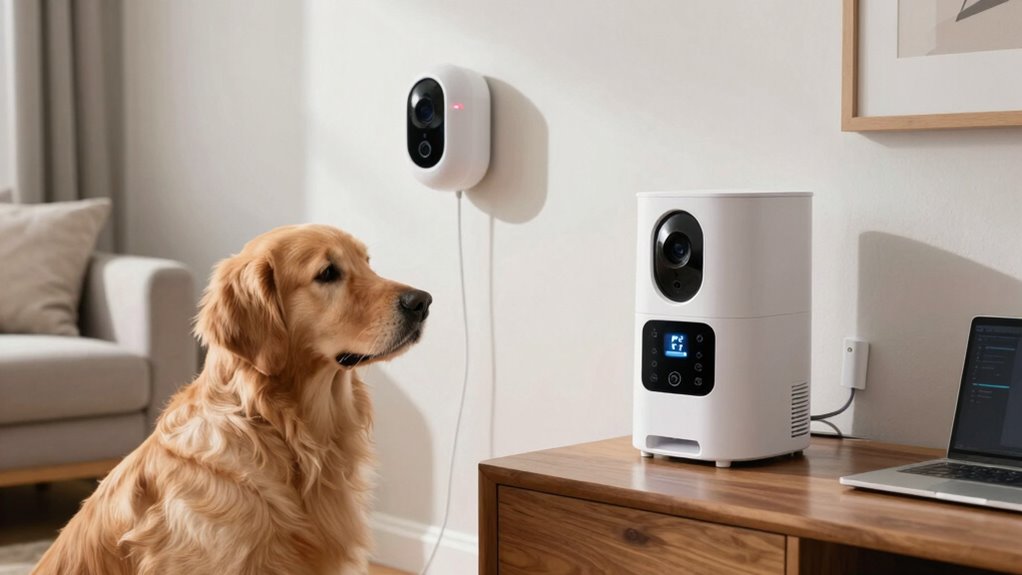
Have you ever considered what happens to your pet’s data when you use pet tech devices? One major privacy risk involves data security. If these devices aren’t properly protected, hackers could access sensitive information about your pet’s location, health, or routines. This exposure could lead to misuse or identity theft. Another concern is user consent. Some companies collect data without clear permission or transparent policies, leaving you unaware of what’s being shared. When you set up or connect these devices, make sure you understand their privacy policies and control settings. Being cautious about data security and insisting on transparent, written user consent helps protect your pet’s information from unauthorized access and misuse. It’s also important to understand the affiliate disclosure that may apply if you purchase products through links, as this transparency ensures you’re informed about potential affiliate relationships. Staying informed about the privacy policies of these devices can help you make better decisions about what data to share. Recognizing the importance of data security and regularly updating device settings can further reduce your risks and safeguard your pet’s information. For added protection, consider using secure networks and enabling all available privacy features. Additionally, being aware of cookie categories and how they affect your privacy can help you better control your data sharing. It’s your responsibility to stay informed and vigilant.

Tapo 2K Indoor Pan/Tilt Wired Security Camera – Works as a Baby Monitor & Pet Camera, Motion Detection, 2-Way Audio, Siren, Night Vision, No-Subscription Local Storage or Optional Cloud, C211 (2-Pack)
【2K High Definition】Capture every detail inside your home with crystal-clear 2K high definition video with this indoor security…
As an affiliate, we earn on qualifying purchases.
As an affiliate, we earn on qualifying purchases.
What Data Do Pet Tech Devices Collect and Why?
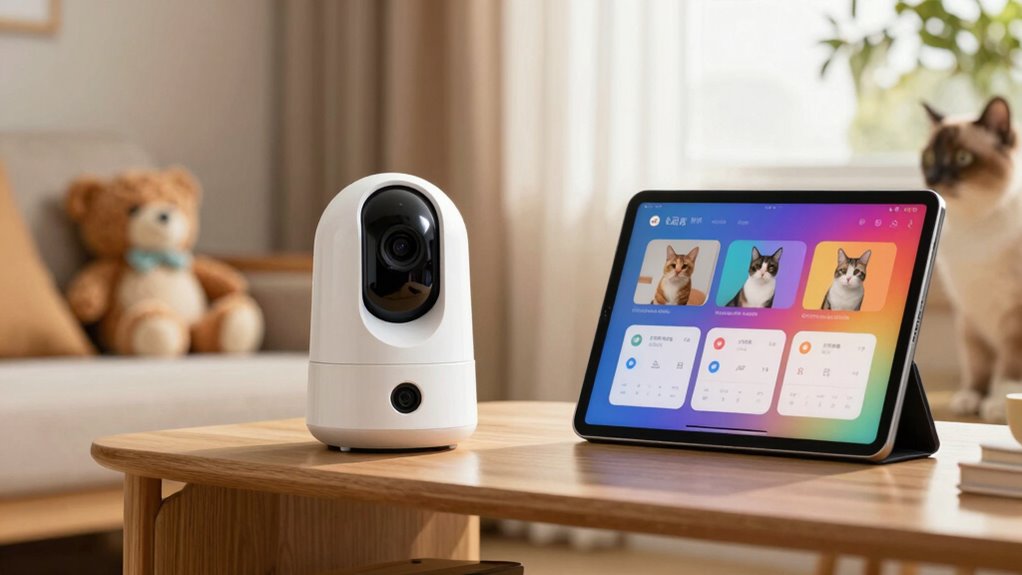
Pet tech devices gather various types of data, like your pet’s activity levels, location, and health metrics. This information helps improve device functions, monitor your pet’s well-being, and offer tailored care. Understanding what data is collected and why can help you make smarter privacy choices. Many devices also utilize free floating technology, which allows for seamless integration without physical constraints, enhancing their versatility and user experience. Additionally, being aware of privacy considerations can help you better control your pet’s data and protect their information. Proper data management practices, including understanding data collection, are essential for safeguarding your pet’s sensitive information. Being informed about data security measures can further help prevent unauthorized access to your pet’s data. Recognizing user control options can empower you to limit data sharing and protect your pet’s privacy more effectively.
Types of Collected Data
Pet tech devices gather a variety of data to help monitor and improve your pet’s health and wellbeing. They collect information such as activity levels, sleep patterns, location, and even behavioral data. Some devices track essential signs like heart rate and temperature, providing insights into your pet’s health. To protect this sensitive information, manufacturers often use data encryption, making sure your data stays secure during transfer and storage. Importantly, many devices require your user consent before collecting certain types of data, ensuring you’re aware of what’s being gathered. This privacy management helps you make informed decisions about your pet’s privacy. Understanding the data security of your pet tech devices can also influence how well you interpret activity and health data, leading to better care. Knowing the types of data collected allows you to better understand how your pet’s information is used and how to manage your privacy settings effectively.
Reasons for Data Collection
Pet tech devices collect data primarily to monitor your pet’s health, activity, and safety. This data helps owners and veterinarians detect health issues early and guarantee your pet’s well-being. Companies often gather specific information, but data minimization is vital to protect your privacy. They seek your user consent before collecting sensitive details, ensuring transparency. Additionally, requirements traceability is essential to ensure that data collection practices align with privacy regulations and standards.
| Data Type | Purpose | Privacy Consideration |
|---|---|---|
| Location | Track pet’s movements | Obtain user consent |
| Activity Levels | Monitor activity patterns | Limit to necessary info |
| Health Metrics | Detect health problems | Minimize data collected |
| Behavior Data | Understand pet behavior | Secure storage and access |

BERRY Veterinary Monitor for Pet,Data storage, analysis, export, Monitoring 6 Parameters for Animal(include Dogs and Cats) as Clinical Equipment
Accurate and Reliable : Accurately monitor your pet's important parameter included SpO2, pulse rate and ECG and display…
As an affiliate, we earn on qualifying purchases.
As an affiliate, we earn on qualifying purchases.
How Do Manufacturers Use and Share Your Pet’s Data?
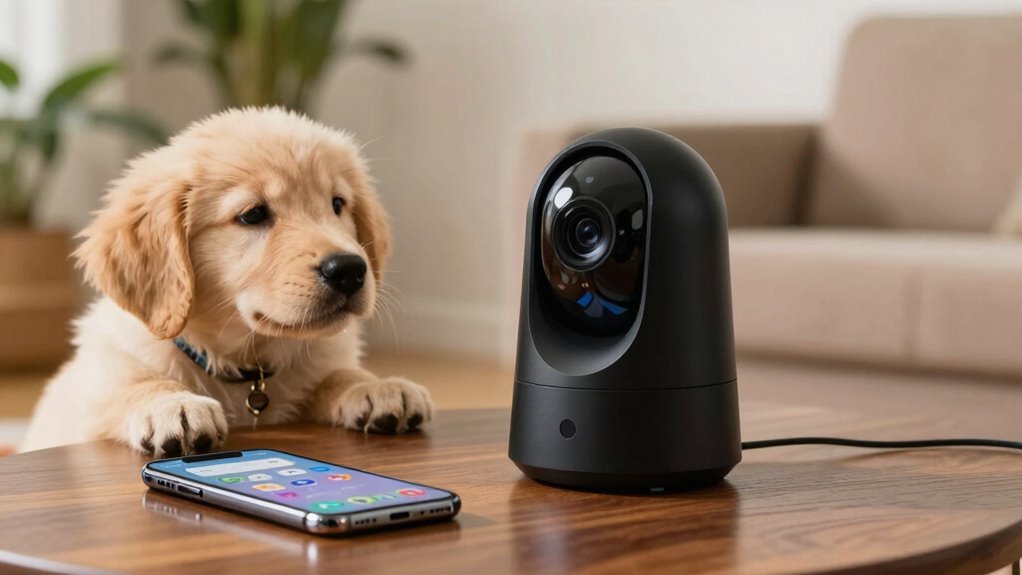
You might wonder how pet tech manufacturers use your pet’s data once they collect it. They often share this information with third parties, like marketing firms or analytics companies, to improve products or target ads. Understanding these practices helps you stay informed about your pet’s privacy. Additionally, some devices employ biosensors that monitor health metrics, which may also be subject to data sharing policies. Ensuring you understand data collection practices can help you make informed decisions about device usage and privacy settings. Moreover, being aware of device capacity and how it influences data storage can help you better manage your pet’s information. It’s also important to review privacy policies regularly to stay updated on how your pet’s data is being managed.
Data Collection Practices
Manufacturers collect data from pet tech devices to monitor your pet’s health, activity, and environment, often sharing this information with third parties. They rely on clear privacy policies to explain how your data is used, but these can vary widely. Data encryption is essential to protect your pet’s information from unauthorized access during transmission and storage. Some companies may gather detailed behavioral patterns, location data, and health metrics, which can be valuable for research or marketing. Here’s a quick overview of their practices:
| Data Type | Usage Purpose | Sharing Practices |
|---|---|---|
| Location Data | Tracking & alerts | Shared with third parties |
| Health Metrics | Monitoring health | Limited sharing |
| Behavioral Data | Improving products | Sometimes shared |
| Environmental Data | Safety alerts | Not always shared |
| User Info | Customer support | Varies by privacy policy |
Understanding the data collection practices helps better safeguard your pet’s privacy while using these devices. Being aware of privacy policies and how data is used can help you make informed decisions about device use. Additionally, data minimization is a key principle that can help limit the amount of information collected and reduce potential privacy risks. Implementing privacy settings provided by manufacturers can further control what data is shared or stored. Recognizing the importance of user consent can also ensure that you are aware of and agree to how your pet’s data is handled.
Data Sharing With Third Parties
Many pet tech companies share the data they collect with third parties to support various purposes, from marketing to research. Third-party analytics firms often analyze your pet’s activity data to identify trends or improve products. Some companies monetize your data by selling it to advertisers or other organizations seeking targeted marketing opportunities. This data sharing can happen without your direct knowledge, raising privacy concerns. While these practices can help fund innovations and services, they also mean your pet’s information might be used beyond your control. To reduce this, review your device’s privacy settings, opt out of data sharing when possible, and read privacy policies carefully. Being aware of how your pet’s data is used helps you make informed decisions about your devices. Understanding data sharing is crucial for maintaining your pet’s privacy and security. Additionally, privacy controls can often be customized to limit the extent of data shared with third parties. Recognizing the importance of data privacy can empower you to take proactive steps to safeguard your pet’s information. For example, understanding data collection practices can help you determine which devices meet your privacy standards and prevent unnecessary data exposure. Moreover, user permissions and settings can sometimes be adjusted to enhance your control over the data your devices collect.

Tapo 1080P Indoor Wired Security Camera – Works as a Baby Monitor & Pet Camera, Motion Detection, 2-Way Audio, Siren, Night Vision, Subscription-Free Local Storage or Optional Cloud, C101
【Motion Detection & Instant Notification】Get instant push notifications when motion, person or baby crying is detected, there is…
As an affiliate, we earn on qualifying purchases.
As an affiliate, we earn on qualifying purchases.
How Can I Protect My Privacy When Using Pet Tech Devices?

To safeguard your privacy when using pet tech devices, it’s vital to be proactive about managing your personal data. Start by enabling data encryption, which secures your information during transmission and storage. Also, review user permissions regularly; restrict access only to necessary features and trusted users. This prevents unauthorized data collection or sharing. Additionally, keep your device firmware updated to patch security vulnerabilities. Use strong, unique passwords for account access and consider two-factor authentication.
| Action | Benefit |
|---|---|
| Enable data encryption | Protects data during transfer and storage |
| Manage user permissions | Limits access and reduces risk of misuse |
| Keep firmware updated | Fixes security flaws and maintains safety |
| Use strong passwords | Prevents unauthorized account access |
How to Choose Pet Tech Devices That Respect Your Privacy?
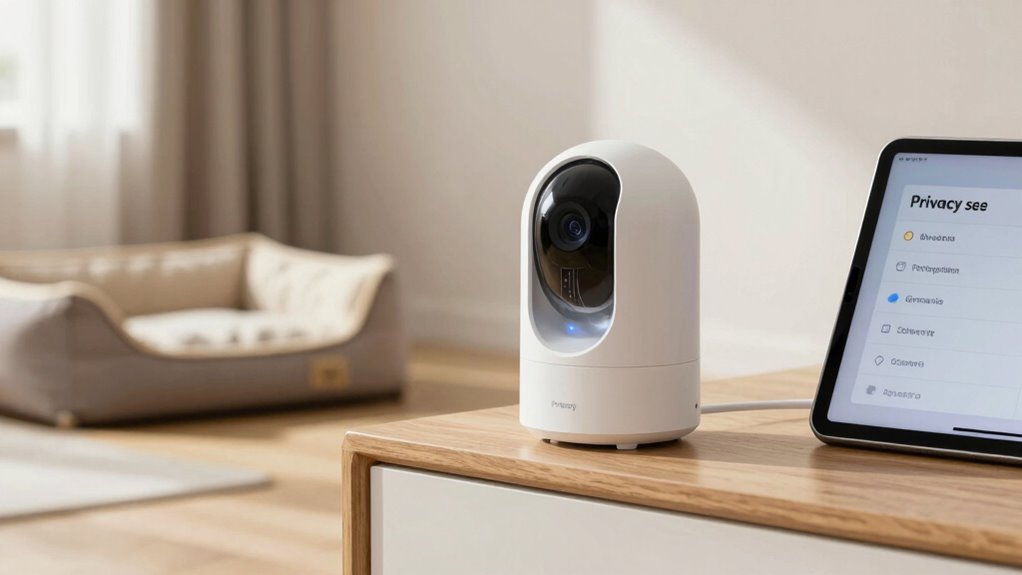
When choosing pet tech devices, prioritizing privacy begins with researching how each product handles your data. Look into the company’s privacy considerations and data collection policies before making a device selection. Check if the manufacturer clearly explains what data is collected, how it’s stored, and whether it’s shared with third parties. Opt for devices that offer strong privacy features, such as local data storage or encryption. Avoid products that require unnecessary permissions or transmit data constantly without safeguards. Read reviews and privacy ratings to gauge user experiences. By thoroughly evaluating these factors, you can select pet tech devices that respect your privacy, giving you peace of mind while monitoring your pet’s wellbeing. Privacy-conscious device selection is key to protecting your data.
Tips to Monitor and Manage Your Pet’s Data Privacy?
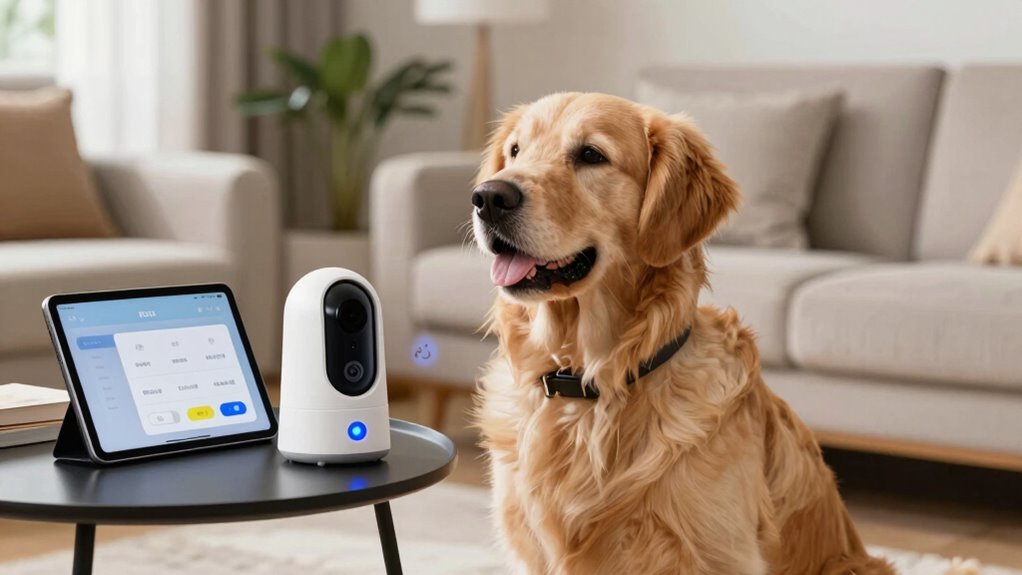
Once you’ve selected a pet tech device that respects your privacy, staying proactive in monitoring and managing its data practices helps keep your pet’s information secure. Regularly review privacy settings to enhance user control and limit data sharing. Enable data encryption where available to protect sensitive information from unauthorized access. Keep software updated to ensure security features are current. Use strong, unique passwords for device accounts and avoid default credentials. Check device logs periodically to spot unusual activity. To deepen your control, understand what data the device collects and how it’s used. Use the table below to compare privacy features of your devices:
| Feature | Importance |
|---|---|
| Data Encryption | Protects data during transmission |
| User Control | Allows customization of data sharing |
| Privacy Settings | Adjusts what data is collected and stored |
| Regular Updates | Fixes security vulnerabilities |
| Data Access Logs | Tracks who accessed your pet’s data |
Frequently Asked Questions
Can I Delete My Pet’s Data From Devices or Apps?
Yes, you can delete your pet’s data from devices or apps. To do so, access the device’s settings or app’s data management section, then look for options to delete or clear pet data. This helps improve pet data security and guarantees your pet’s information isn’t stored longer than needed. Regularly managing device data keeps your pet’s privacy protected and gives you control over their information.
Are Third-Party Advertisers Accessing Pet Data?
Think of your pet’s data as a secret garden. Sadly, third-party access can be like sneaky trespassers, taking a peek through hidden gates. They often access data via data sharing practices, sometimes without your knowledge. To protect your pet’s privacy, stay informed about app permissions and opt out of data sharing when possible. You control the gates—keep them securely closed to safeguard your pet’s information from unwanted third-party access.
What Are the Legal Protections for Pet Data Privacy?
You have legal rights under privacy regulations that protect your pet’s data from misuse or unauthorized access. Laws like the General Data Protection Regulation (GDPR) and the California Consumer Privacy Act (CCPA) set standards for data privacy, ensuring companies handle pet data responsibly. To safeguard your pet’s privacy, stay informed about these regulations, read device privacy policies, and opt out of data sharing whenever possible.
How Often Do Manufacturers Update Privacy Policies?
Like clockwork in a well-oiled machine, manufacturers typically update privacy policies every 6 to 12 months. You should keep an eye out for manufacturer transparency, as some brands refresh policies more frequently to reflect new features or data practices. Regular updates act as guardrails, guiding you through the shifting landscape of data collection. Staying informed guarantees you’re aware of how your pet tech devices safeguard your privacy.
Do Pet Tech Devices Track Location Outside the Home?
Yes, many pet tech devices use GPS tracking to monitor your pet’s location outside the home. They often share data with servers or third parties for features like safety alerts or activity logs. To reduce data sharing, check privacy settings, disable location sharing when not needed, and review manufacturer policies regularly. Being proactive helps protect your pet’s privacy and limits unnecessary data collection.
Conclusion
As you navigate the world of pet tech, imagine your pet’s data as a delicate thread weaving through a bustling marketplace. By staying informed and choosing devices wisely, you keep that thread secure, preventing it from unraveling into unseen hands. With mindful choices, you create a safe space where your pet’s private moments are protected, allowing you to enjoy a peaceful, worry-free connection. Guard your pet’s data as you would a treasured keepsake—secure and cherished.