
TL;DR

Get pet supplies delivered free — and shop member deals
- Fast, free delivery on millions of items
- Access to Prime Big Deal Days deals on October 6–7
- Prime Video, Amazon Music and more included
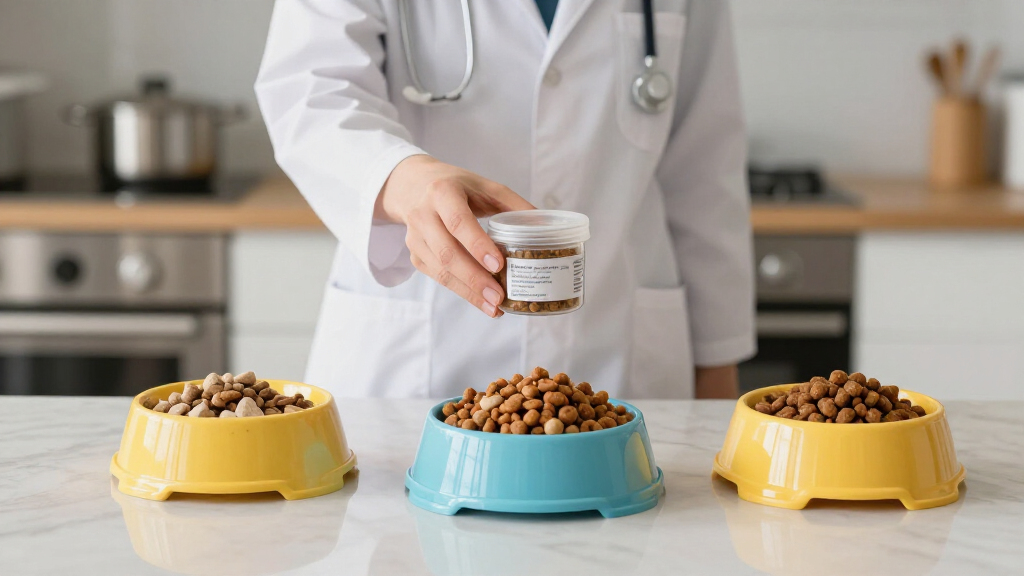
Scientists have identified key biological differences that explain why dogs and cats favor different tastes and textures. These findings could influence pet food formulation and improve nutritional strategies.
Recent scientific research has confirmed that the differing taste preferences of dogs and cats are rooted in their distinct biological and sensory mechanisms. This breakthrough helps explain why dogs generally prefer sweeter flavors while cats are more selective, favoring amino acids and certain textures. The findings have implications for pet nutrition and food development, making it a significant advance in understanding companion animal behavior.
Scientists from multiple institutions analyzed the taste receptor genes and neural pathways in both species. They found that dogs possess a broader range of sweet and umami receptors, which makes them more receptive to sweet and savory flavors. In contrast, cats have a limited set of sweet receptors due to genetic mutations, aligning with their obligate carnivore status. Instead, cats show a heightened sensitivity to amino acids and certain textures, which are critical for their dietary needs.
Research also indicates that these biological differences influence food preference behaviors. Dogs tend to seek out foods with higher carbohydrate content, while cats prefer protein-rich options. These preferences are reflected in their taste receptor gene expression and neural responses to different flavor compounds. The studies used genetic sequencing, behavioral testing, and neural imaging to confirm these differences.
Implications for Pet Food Development and Animal Welfare
Understanding the biological basis of taste preferences in dogs and cats can lead to more effective and appealing pet foods. Manufacturers can tailor formulations that align with each species’ sensory biology, potentially improving nutrition, acceptance, and overall health. Additionally, this knowledge helps pet owners and veterinarians better understand feeding behaviors, leading to more individualized dietary strategies and improved animal welfare.As an affiliate, we earn on qualifying purchases.
Biological Roots of Taste Differences in Domestic Animals
Previous research has suggested that dogs and cats have different dietary requirements, but the genetic and neural mechanisms behind their taste preferences were not fully understood. The recent studies build on this by pinpointing specific taste receptor genes and neural pathways involved. These findings align with the evolutionary history of each species: dogs, descended from omnivorous ancestors, retain a broader taste receptor profile, while cats, obligate carnivores, have evolved to prioritize amino acids over sugars. The research was published in peer-reviewed journals in late 2023, marking a significant step forward in comparative animal physiology.Remaining Questions on Taste Receptor Function and Behavior
While the genetic and neural mechanisms have been identified, it is still unclear how these biological differences translate into long-term dietary preferences across diverse breeds and individual animals. Researchers are also exploring how environmental factors and learned behaviors influence taste preferences beyond genetic predispositions. Further studies are needed to determine how these biological insights can be applied to optimize pet food formulations for a broader range of animals.
Future Research Directions and Practical Applications in Pet Nutrition
Scientists plan to investigate how manipulating taste receptor activity might influence food acceptance and health outcomes in pets. Additionally, pet food companies are expected to use these insights to develop more species-specific products. Ongoing research aims to deepen understanding of sensory processing and behavioral responses, ultimately leading to improved dietary options that align with each species’ biological makeup.
Key Questions
Why do dogs prefer sweeter foods while cats do not?
This preference is due to genetic differences in taste receptor genes. Dogs have functional receptors for sweet flavors, while cats have mutations that limit their ability to perceive sweetness, aligning with their obligate carnivore diet.
How do taste preferences influence pet food choices?
Understanding species-specific taste biology helps manufacturers create foods that are more appealing and nutritionally appropriate, potentially improving pet acceptance and health outcomes.
Are these biological differences fixed, or can they change over time?
Current evidence suggests these differences are genetically determined and stable. However, environmental factors and learned behaviors may influence individual preferences, which are still under investigation.
Will this research lead to new pet food products?
Yes, companies are expected to develop more tailored products based on these biological insights, aiming to improve palatability and nutritional adequacy for both dogs and cats.
What is still unknown about taste preferences in pets?
Researchers are still exploring how genetic, neural, environmental, and behavioral factors interact to shape long-term dietary preferences across different breeds and individual animals.
Source: rss
Halloween Picks
halloween
As an affiliate, we earn on qualifying purchases.