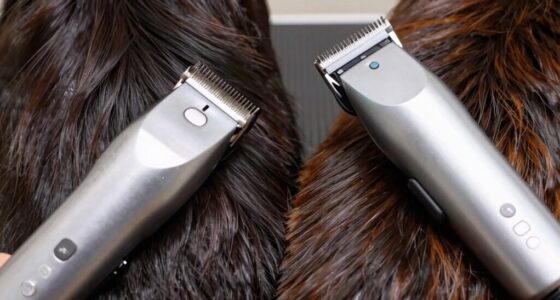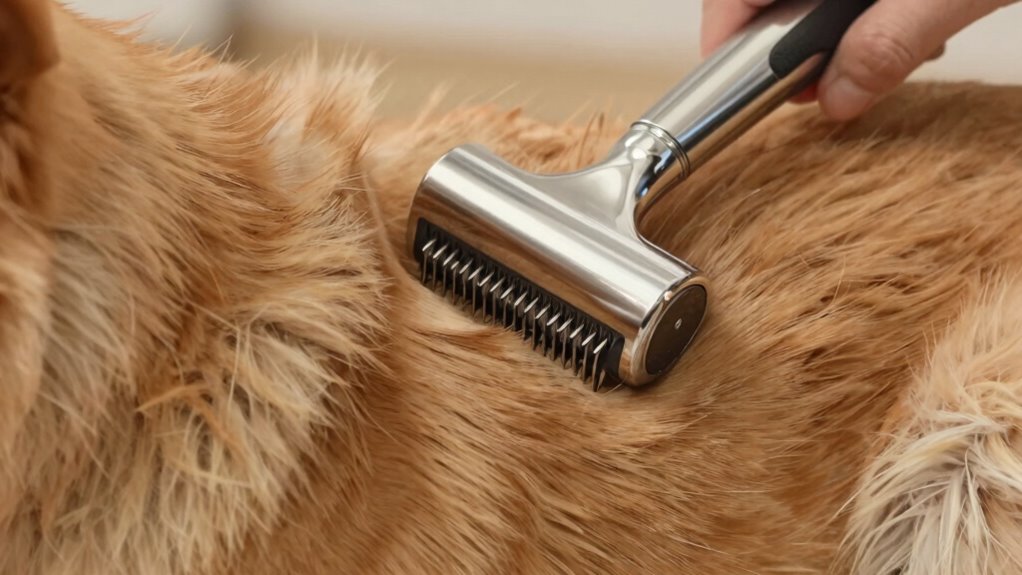

Using deshedding tools can help you reduce pet shedding and keep your home cleaner, but overdoing it risks skin irritation and discomfort. If you press too hard or groom too often, you might cause redness or stress your pet. Tailoring your approach based on your pet’s coat type and reactions is key. When used correctly and gently, these tools can be a great help; keep going to discover more tips for safe grooming.

Get pet supplies delivered free — and shop member deals
- Fast, free delivery on millions of items
- Access to Prime Big Deal Days deals on October 6–7
- Prime Video, Amazon Music and more included
Key Takeaways
- Use deshedding tools gently to avoid skin irritation and discomfort for your pet.
- Monitor your pet’s reactions and adjust grooming frequency to prevent over-grooming.
- Understand your pet’s coat type and shedding cycle for effective, appropriate grooming.
- Avoid pressing too hard; gentle strokes are sufficient for removing loose fur safely.
- Incorporate deshedding as part of a balanced routine, not a daily, aggressive effort.
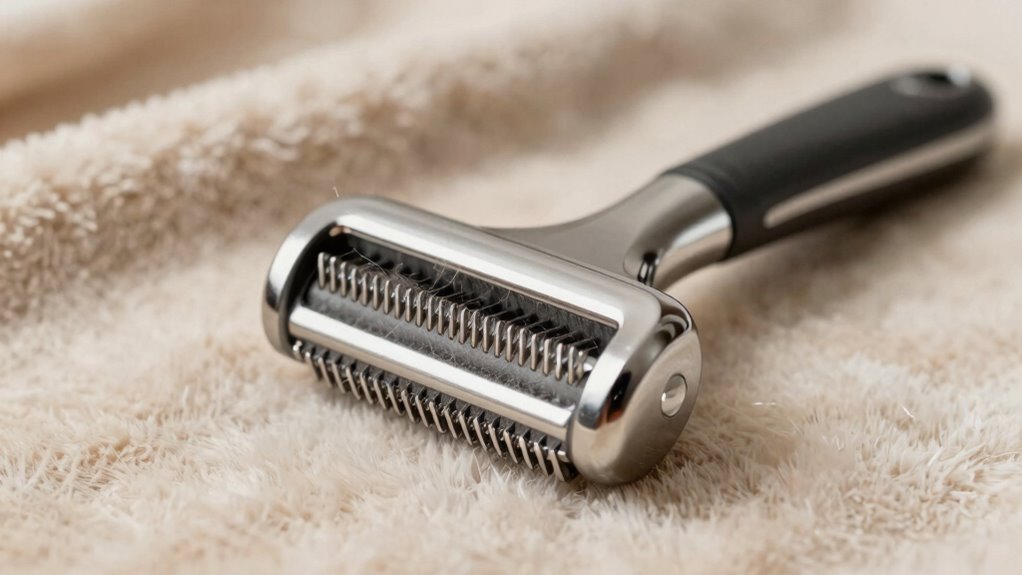
If you’ve ever struggled with pet hair covering your furniture and clothing, deshedding tools can be a game-changer. They’re designed to make pet grooming easier and help you manage shedding more effectively. But as helpful as they are, it’s important to use them correctly to avoid overdoing it. When used thoughtfully, these tools can reduce hair around your home and keep your pet comfortable. However, excessive or improper use can cause discomfort or even skin irritation for your furry friend.
Shedding management is a key reason many pet owners turn to deshedding tools. Regular grooming with the right tools removes loose hair before it falls off naturally, which means less cleaning for you. These tools work by gently lifting and removing loose undercoat fur that’s ready to shed. When used correctly, they can help maintain a healthy coat, reduce matting, and prevent hair from spreading everywhere. But if you press too hard or groom too frequently, you risk damaging your pet’s skin or pulling out healthy hair, which can cause discomfort or skin issues.
Regular, gentle grooming with the right tools helps manage shedding and keeps your pet comfortable.
The balance lies in understanding your pet’s needs and the specific tool you’re using. Not all pets shed the same amount or have the same coat type. For example, some breeds with thick undercoats may require more frequent grooming, while others need less. Pay attention to your pet’s skin condition and coat health. If you notice redness, irritation, or any signs of discomfort, it’s a sign to ease up on the grooming. The goal is to keep shedding manageable without causing stress or harm. Learning about your pet’s shedding cycle and coat type can help you optimize grooming frequency and prevent unnecessary discomfort. Additionally, understanding pet coat health can help you select the most appropriate tools and techniques for your furry friend.
Timing and technique matter just as much as the tool itself. Groom your pet in a calm environment, and start slowly to see how they react. Use gentle, even strokes, and avoid pressing too hard into the skin. Regular grooming sessions spaced out over the week are usually enough to keep shedding under control. Over-grooming not only risks skin irritation but can also lead to your pet developing negative associations with grooming, making the process more difficult over time. Learning about your pet’s shedding cycle and coat type can help you optimize grooming frequency, and understanding the benefits of regular grooming can motivate you to stay consistent. Furthermore, being aware of the importance of gentle handling can help ensure your pet remains comfortable and relaxed during grooming. Additionally, paying attention to your pet’s reactions during grooming can guide you to adjust your technique accordingly.
In the end, deshedding tools should be part of a thoughtful pet grooming routine, not a quick fix. When used properly, they help you manage shedding effectively, keeping your home cleaner and your pet more comfortable. But remember, moderation and attentiveness are key. Respect your pet’s comfort, and adjust your approach as needed to ensure grooming remains a positive experience for both of you.
As an affiliate, we earn on qualifying purchases.
Frequently Asked Questions
Can Deshedding Tools Be Used on All Dog Breeds?
Not all dog breeds can safely use deshedding tools. Breed-specific grooming needs and coat texture considerations matter a lot. For example, long-haired or double-coated breeds benefit from deshedding, but using these tools on breeds with sensitive or fragile coats can cause damage. Always research your dog’s breed and coat type, and consult a professional groomer if unsure. Proper use guarantees your dog’s coat stays healthy without risking overdoing it.
How Often Should I Use a Deshedding Tool?
Imagine you’re grooming your Labrador, shedding heavily during spring. You should use a deshedding tool 2-3 times a week to maintain coat health and manage loose fur. Regular grooming frequency helps prevent matting and reduces shedding around your home. Be gentle and avoid overdoing it, as excessive use can irritate the skin. Adjust your routine based on your dog’s breed, coat type, and shedding pattern for best results.
Are There Any Safety Concerns With Deshedding Tools?
Yes, there are safety concerns with deshedding tools. You should follow safety precautions like avoiding excessive pressure to prevent skin irritation. Always use the tool gently and in the direction of hair growth. Regularly check your pet’s skin for redness or irritation, and stop using the tool if you notice any issues. Proper technique and caution help guarantee your pet’s comfort and safety during grooming.
Do Deshedding Tools Work on Cats as Well?
Think of your cat’s coat as a delicate garden needing careful pruning. Yes, deshedding tools work on cats, but their effectiveness depends on choosing the right tool and technique. Pet coat maintenance requires gentle handling to prevent harm. If used properly, these tools can reduce shedding and keep your cat comfortable. Just like pruning a plant, it’s about balance—helping your cat’s coat stay healthy without overdoing it.
Can Overuse Damage My Pet’s Skin or Coat?
Yes, overusing deshedding tools can damage your pet’s skin or coat. Excessive brushing may cause skin irritation, leading to redness or discomfort. It can also weaken or break the coat hairs, resulting in coat damage. To avoid these issues, use the tool gently and follow recommended guidelines. Regular, moderate use helps manage shedding without harming your pet’s skin or coat health.
Conclusion
Using deshedding tools is like walking a tightrope—you want to remove loose fur without pulling too hard or causing harm. When used correctly, they’re your trusted partner in managing pet hair, keeping your home cleaner and your pet comfortable. But overdoing it can turn your careful balance into a fall. Remember, the goal isn’t to strip away all fur but to maintain harmony—treat your pet gently, and they’ll thank you with a healthier coat and happier days.
Halloween Picks
halloween
As an affiliate, we earn on qualifying purchases.