
TL;DR

Get pet supplies delivered free with Prime
- Fast, free delivery on millions of items
- Prime Video, Amazon Music and more included
- Member-only deals all year
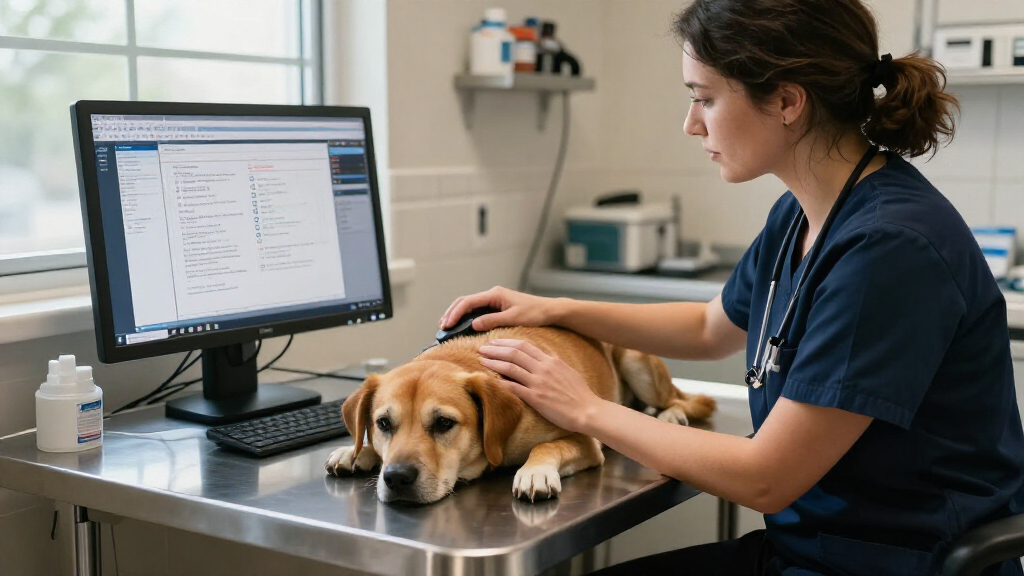
Veterinarian Kate Echeverria describes using AI as a potential aid in veterinary practices, particularly for organizing medical records and helping clients find reliable information. She argues that veterinarians should help shape these tools, while stressing that they should support—not replace—professional care.
Veterinarian Kate Echeverria has outlined an approach to using artificial intelligence in veterinary medicine that pairs practical applications, such as organizing pet health records, with a call for veterinarians to help develop and evaluate the technology. In a report for Veterinary Practice News, she said AI should help owners become better informed and support veterinary care, not replace it.
Echeverria, a veterinarian specializing in large-animal internal medicine, wrote that AI is already appearing in veterinary workplaces through transcription tools, digital scribes and radiographic readings. She said practices should investigate tools before adopting them and consider whether veterinarians helped shape how they work. The decision about which tools to use, she added, will vary among clinicians.
She also described a case involving a mare prescribed two medications for separate diagnoses. Echeverria said she discussed the combined treatment and possible side effects with the owner, and consulted the horse’s regular veterinarian, who agreed with the plan. After the owner searched online and became worried about potential interactions, Echeverria spoke with her again and recommended a veterinary-informed resource for future questions.
For records, Echeverria sees potential in tools that gather medical histories, lab results and vaccination records in a format that can be shared with a veterinarian. She said this could help when an animal is taken to an emergency hospital, urgent-care clinic or an unfamiliar veterinary team. Some apps also let owners track changes in their pets over time, information she said can support conversations during appointments.
Veterinarians Shape AI Use
Echeverria’s account highlights a practical concern for veterinary care: owners already search online for explanations of symptoms and medication questions, sometimes encountering information that does not reflect an animal’s individual circumstances. She described clients becoming anxious after online searches and said she would like to steer them toward reliable, veterinarian-informed resources.
Her argument is that professional involvement matters both when AI tools are used inside clinics and when they provide information directly to pet owners. Tools that organize records may save clinicians from sorting through lengthy histories, while well-designed client resources could help owners prepare questions. Those are potential benefits, not demonstrated outcomes in the report; Echeverria’s account is a practitioner’s perspective rather than a study measuring AI’s effects.
The issue also touches on who sets standards for veterinary technology. Echeverria warned that if veterinarians do not contribute to the development of AI products and client resources, consumer technology companies may shape the experience instead. Her proposed goal is better-supported owner participation, with clinical decisions remaining connected to veterinary advice.
As an affiliate, we earn on qualifying purchases.
AI Enters Veterinary Work
Echeverria wrote that she was initially skeptical about AI but became more open to exploring it after receiving guidance about possible uses and cautions. She pointed to work by veterinary organizations, including the American Veterinary Medical Association and the American College of Veterinary Internal Medicine, which she said have AI task forces examining the technology and supporting professional education.
Her report also references a September 2026 issue of Veterinary Clinics of North America: Small Animal Practice focused on AI in small-animal veterinary medicine. According to Echeverria, its articles address how veterinary professionals can evaluate, adopt and contribute to AI-based tools. The emphasis on contribution reflects her view that clinicians should be part of building the systems they may use.
Pet records are one area where she sees a specific need. Unlike a human medical system that may offer a consolidated online record, she said veterinary records can be spread across providers. Shared digital records could give a new or emergency-care veterinarian a clearer snapshot, including for traveling competition horses. The source does not identify a particular product or provide comparative performance data.
Limits of the Available Evidence
The report presents Echeverria’s experience and recommendations; it does not provide research showing how accurately particular AI products perform, whether they reduce clinic workloads or how widely veterinary practices use them. It also does not name or evaluate the veterinary-informed client resource she recommended to the horse’s owner.
The medication episode is an individual case, not evidence that online searches or AI tools will always produce incorrect guidance, or that the same medication combination is appropriate for other animals. The report does not specify the medications, the horse’s diagnoses or the resource used, so those details cannot be independently assessed from the account.
It remains unclear which standards should govern veterinary AI tools, how privacy and record-sharing are handled across products, and how information provided to pet owners is reviewed. Echeverria calls for safeguards and veterinary involvement, but the source does not describe a shared regulatory framework or set out technical requirements.
More Veterinary Input Ahead
Echeverria points to continuing education and professional review as immediate steps, including the work of AVMA and ACVIM task forces. The September 2026 journal issue she cites is expected to cover evaluation, adoption and veterinary contributions to AI tools; the report does not give further details about its contents beyond that scope.
For clinics and pet owners, her recommendations are to assess individual tools carefully, keep veterinarians involved in decisions and use trusted sources for health questions. Whether AI-based record systems become widely adopted, or measurably improve care and efficiency, will depend on how the tools are developed and used. The report offers no adoption schedule or outcome data.
Key Questions
What does Echeverria say AI can do in veterinary practices?
She identifies transcription, digital scribes, radiographic readings and organizing medical records as areas where AI tools are being used or could help. She does not claim that every tool is suitable for every practice.
Does Echeverria recommend using AI instead of a veterinarian?
No. She says the goal is to support and empower pet owners, not replace veterinarians. Her report urges owners to keep veterinary professionals involved in care decisions.
Why does she want veterinarians involved in AI development?
Echeverria argues that veterinary input can help shape how tools work and what information they provide. She says that without professional participation, consumer technology companies may define more of the experience.
What remains unknown about these veterinary AI tools?
The report does not provide comparative accuracy or outcome data, identify a specific client resource, or explain common rules for privacy and record sharing. It also does not establish how widely these products are used.
Source: rss
Fall Picks
fall essentials
As an affiliate, we earn on qualifying purchases.