
TL;DR
Open a free Amazon Business account
Business pricing, bulk buying and tax-exempt orders.
As an affiliate, we earn on qualifying purchases.
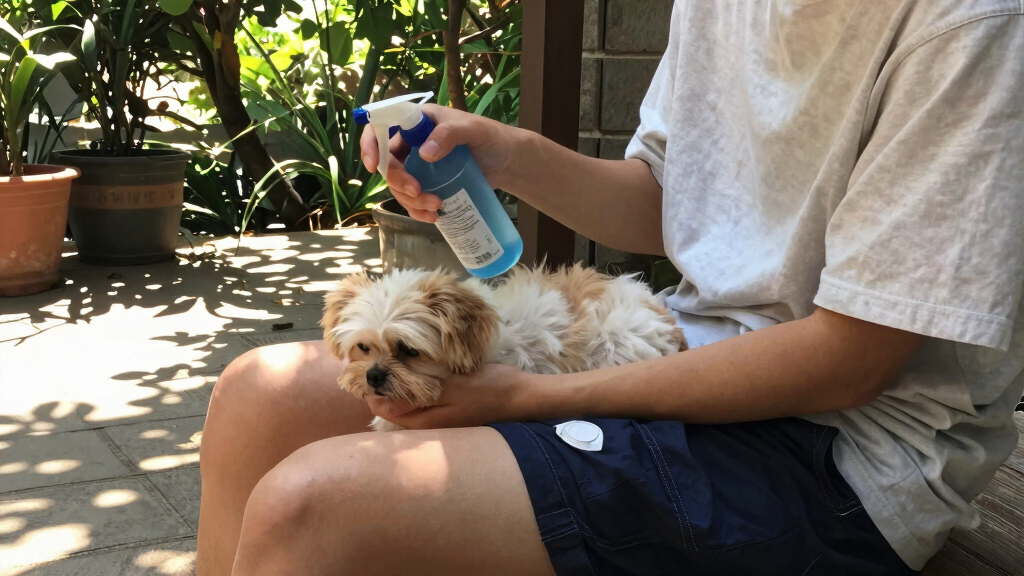
With temperatures soaring across many regions, officials are urging pet owners to ensure their animals stay cool and hydrated. The advice aims to prevent heat-related health issues in pets during the ongoing heatwave.
Authorities have issued urgent guidance for pet owners to keep animals cool as a severe heatwave causes temperatures to reach record highs, posing health risks to pets.
The advisory, issued by local veterinary and public health officials, emphasizes the importance of providing shade, fresh water, and avoiding outdoor activities during peak heat hours. Veterinarians report an increase in heat-related illnesses among pets, including heatstroke and dehydration. The advice is aimed at preventing emergencies and ensuring animal welfare during the ongoing heatwave, which has affected multiple regions with temperatures surpassing seasonal averages.
Pet owners are advised to monitor their animals closely, avoid leaving pets in parked vehicles, and consider bringing animals indoors or into shaded areas. Local authorities have also issued warnings about the risks of heatstroke, especially for small, elderly, or overweight animals, which are more vulnerable to high temperatures. No fatalities or widespread incidents have been officially confirmed yet, but health professionals warn that the situation could worsen if precautions are not followed.
Why Pet Safety During Heatwaves Is Critical
This situation highlights the importance of responsible pet ownership during extreme weather events. Failing to take precautions can lead to serious health consequences for animals, including death. The advice from authorities aims to reduce emergency cases and promote animal welfare, which is a concern for pet owners and communities alike. As climate change contributes to more frequent heatwaves, understanding how to protect pets becomes increasingly vital for public health and animal rights.
As an affiliate, we earn on qualifying purchases.
Recent Heatwave and Rising Temperatures
The current heatwave, affecting multiple regions, has pushed temperatures to levels not seen in recent years. Meteorological agencies have reported record-breaking highs, prompting health advisories for vulnerable populations, including pets. Historically, heatwaves have caused spikes in animal health emergencies, leading to increased calls to veterinary services. Authorities have previously issued similar warnings during past heat events, emphasizing hydration and shade for animals, but the current situation sees heightened concern due to prolonged high temperatures and widespread impact.
“We are seeing an increase in heat-related illnesses in animals, and we urge owners to keep their pets indoors, provide plenty of water, and avoid leaving them in vehicles.”
— Public Health Official John Ramirez
It is not yet clear how many pets have been affected or if there have been any fatalities linked directly to the heatwave. Local authorities have not released specific incident counts, and ongoing monitoring is underway to assess the full impact.
Monitoring and Public Awareness Campaigns Expected
Officials plan to continue issuing public advisories and increase outreach efforts to educate pet owners on heat safety. Veterinary clinics are on alert for potential emergency cases, and authorities will monitor the situation closely to determine if additional measures are necessary. Further updates are expected as the heatwave persists and data on animal health impacts become available.
Key Questions
What are the main signs of heatstroke in pets?
Signs include excessive panting, drooling, weakness, lethargy, vomiting, and collapse. Immediate veterinary attention is required if these symptoms are observed.
Can pets be left outside during a heatwave?
Pets should generally be kept indoors or in shaded, cool areas during peak heat hours. If outside, they must have access to shade and plenty of water, and outdoor activity should be limited.
Are certain pets more vulnerable to heat-related illnesses?
Yes, small, elderly, overweight, or brachycephalic (short-nosed) animals are at higher risk of heatstroke and dehydration during heatwaves.
What should I do if I suspect my pet has heatstroke?
Immediately move the pet to a cooler place, offer water if the pet can drink, and seek veterinary care urgently. Do not try to cool the pet with ice or cold water excessively, as this can cause shock.
Source: rss
NFL season / tailgating Picks
team gear
As an affiliate, we earn on qualifying purchases.