
TL;DR
A Veterinary Practice News report by veterinarian Chelsea McGivney describes how clinics can build structured care pathways for senior pets, from identifying patients who have stopped coming in to tailoring appointments and discussing future needs. The article presents these steps as practical recommendations, not the results of a measured program or a newly announced policy.
Veterinarian Chelsea McGivney has outlined a care pathway to help veterinary practices keep senior pets connected to care, focusing on early outreach, appointments tailored to older animals and practical support for caregivers. The report, published by Veterinary Practice News, describes recommendations for clinics rather than announcing a new program or reporting measured outcomes.

Get pet supplies delivered free with Prime
- Fast, free delivery on millions of items
- Prime Video, Amazon Music and more included
- Member-only deals all year
McGivney says older pets can gradually fall out of regular veterinary care when owners interpret changes in mobility, appetite, sleep, behavior or elimination as unavoidable signs of age. Some caregivers may also worry that a visit will bring unaffordable testing or pressure to make an end-of-life decision. For others, transportation, health, scheduling or financial barriers make a clinic visit difficult. Delayed care can mean the practice does not see the pet again until a crisis prompts a return.
The proposed pathway begins by treating aging as a distinct life stage, not as a disease or a fixed age category. Practices can search records for older dogs and cats that have not had a recent examination, then review relevant history such as chronic conditions, missed rechecks, mobility concerns and previously declined tests. McGivney recommends supportive, individualized outreach that explains what a senior visit can offer and asks what would make it easier to attend.
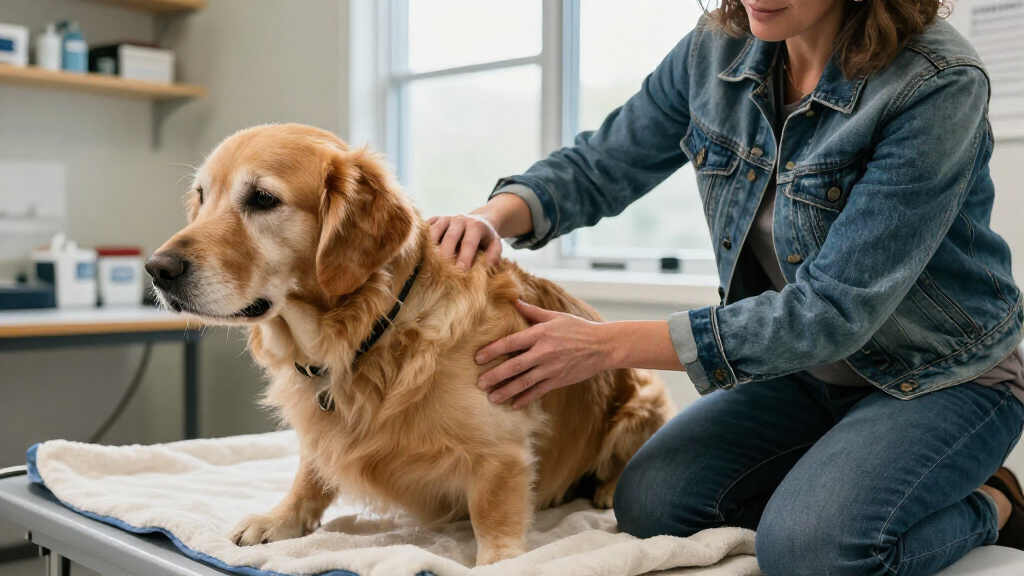
For visits, the report suggests allowing more time, using a quieter setting and asking caregivers in advance about changes at home. A questionnaire might cover appetite, water intake, elimination, sleep, movement, play, grooming and behavior. Owners could also share videos of their pets walking, using stairs or moving around the home. These are proposed tools to help teams understand daily function; the report does not give outcome data showing how much they improve health or attendance.
Keeping Older Pets Connected to Care
The approach addresses a gap that can develop before an older animal is visibly in crisis: a caregiver may notice change but not know whether it merits a visit, or may face obstacles that make seeking advice hard. A pathway gives the clinic a way to ask about those obstacles and discuss options instead of relying only on a standard overdue reminder.
That distinction matters because the suggested response depends on the barrier. A clinic might discuss quieter appointment times, help getting a pet from the car, or a mobile provider when travel is difficult. If cost is the concern, staff can talk through priorities and staged care; if fear is involved, they can plan low-stress handling or a shorter initial visit. These options are examples in McGivney’s report, not guarantees that every practice can provide them.
The report also broadens senior care beyond diagnosing illness. It includes comfort, function, preventive screening and caregiver support in the planning conversation. That can help families describe their goals and make decisions over time, while leaving room for individualized veterinary advice.
Products Worth Considering

Whisker Litter-Robot 4 Automatic Self-Cleaning Litter Box Bundle, Black

PETLIBRO Luma Smart Self-Cleaning Open-Top Litter Box with AI Camera

Whisker Litter-Robot 4 Self-Cleaning Litter Box Supply Bundle, Black
As an affiliate, we earn on qualifying purchases.
A Life Stage, Not an Age Cutoff
McGivney cites the 2023 American Animal Hospital Association Senior Care Guidelines, which state that no single age defines every senior patient. Species, breed, size, expected lifespan, health and functional changes all inform when an animal needs senior-focused care. The guidelines describe a multifaceted approach covering preventive screening, pain management, nutrition, dental health, behavior, environmental changes, concurrent diseases and caregiver support.
The report also refers to a 2024 scoping review that identified barriers to veterinary care including affordability, geography, staffing and equipment, communication, transportation and other practical or social factors. The supplied article excerpt gives no numerical findings from that review. McGivney’s recommendations apply this broader view of access to the specific challenge of keeping older pets in routine care.
“Now that Max is entering a new life stage, we would like to create a plan that helps him stay comfortable and engaged for as long as possible.”
— Suggested wording in McGivney’s report
What the Report Does Not Establish
The article is a practice-focused report, not an evaluation of a specific clinic program. The supplied material does not establish how many practices have adopted these steps, whether they increase appointment attendance, or whether they improve health or quality of life. It also does not provide a single age threshold for senior status; the cited guidelines emphasize individual differences.
Options such as telehealth are conditional: McGivney says they may be considered when legally and clinically appropriate. Availability of mobile care, transport help, longer appointments and staged testing will vary by clinic and location. The supplied excerpt ends during its discussion of the visit environment, so it does not set out every element of the proposed pathway.
How Clinics Could Put Plans Into Practice
The next steps described are operational ones for practices: define a flexible way to identify senior patients, review records for missed care or changing needs, and contact caregivers with a clear offer of help. Clinics can then ask what is making attendance difficult and adapt scheduling, handling or the visit plan where possible.
For caregivers, the report points toward bringing observations from home into the conversation, including changes in movement, appetite, sleep and behavior. No rollout date or formal follow-up study is provided. Whether these recommendations lead to wider adoption or measurable results remains to be seen.
Key Questions
What is the care pathway proposed for senior pets?
It is a structured approach for identifying older pets who may have dropped out of routine care, contacting their caregivers supportively and tailoring visits to the pet’s health and the family’s circumstances. It is a set of recommendations, not a reported national program.
At what age is a pet considered senior?
The report cites the 2023 American Animal Hospital Association guidelines, which do not set one age for every animal. Species, breed, size, expected lifespan, health and functional changes all matter.
What can caregivers share before a senior-pet appointment?
McGivney suggests describing changes in appetite, drinking, elimination, sleep, mobility, play, grooming, social interaction and behavior. Short videos of everyday movement may also help the veterinary team assess function.
What if getting an older pet to the clinic is difficult?
The report recommends discussing the specific obstacle with the practice. Possible options, depending on availability and suitability, include quieter appointment times, help from the car, low-stress handling or referral to a mobile provider.
Has this approach been shown to improve outcomes?
The supplied report does not provide measured results from a specific program. It outlines practical recommendations, while their effects on attendance, health and quality of life remain unclear.
Source: veterinarypracticenews.com