

To manage your dog’s allergies, identify and limit exposure to environmental triggers like pollen, mold, and dust by keeping them indoors during peak seasons, wiping paws after walks, and using air purifiers. Control food allergies by switching to novel or hydrolyzed diets and avoiding common allergens in treats and snacks. Regular vet visits and maintaining a detailed symptom log help fine-tune your approach. Keep exploring for more tips to keep your dog comfortable year-round.
Key Takeaways
- Identify environmental triggers through allergy testing and minimize exposure during peak pollen seasons.
- Keep your dog indoors during high pollen times and wipe paws and coat after outdoor walks.
- Use hypoallergenic or novel protein diets to pinpoint and reduce food allergy sources.
- Maintain a clean home environment with air purifiers and regular cleaning to reduce airborne allergens.
- Consult your veterinarian for tailored treatment plans, including medications or allergy shots, for long-term relief.

Are your dog’s allergy symptoms causing concern? If so, you’re not alone. Many dogs suffer from allergies that can be frustrating for both pet and owner. One of the first steps to managing these allergies is understanding their triggers, especially seasonal allergies. These often occur at specific times of the year when certain pollens, mold spores, or grasses are prevalent. Recognizing the pattern can help you minimize exposure during peak seasons. To confirm your suspicions and identify the exact allergens affecting your dog, allergy testing is highly recommended. This process can pinpoint whether your dog reacts to environmental factors like pollen, dust mites, or mold, giving you a clearer plan of action.
Once you’ve identified that seasonal allergies are a culprit, you can take practical steps to reduce your dog’s exposure. Keep your dog indoors during peak pollen times, usually early mornings and late afternoons. Regularly wipe your dog’s paws and coat after walks to remove any pollen or mold spores they might carry inside. Using air purifiers at home can also help lessen airborne allergens. Creating a clean, allergen-free environment minimizes the risk of flare-ups, especially during allergy seasons. If allergy testing confirms environmental triggers, your veterinarian might suggest allergy shots or medications to help your dog tolerate certain allergens better.
Reduce your dog’s exposure by keeping them indoors during peak pollen times and wiping paws after walks.
Managing food allergies is another critical aspect of controlling your dog’s overall allergy symptoms. Unlike seasonal allergies, food allergies are triggered by specific ingredients in your dog’s diet. Common culprits include beef, chicken, dairy, wheat, and soy. To identify food allergies, your vet might recommend an elimination diet—feeding your dog a novel protein or hydrolyzed diet that excludes common allergens. During this process, you’ll need to carefully read ingredient labels and avoid giving your dog treats or table scraps that could introduce new allergens. Monitoring your dog’s response during this period is key, as improvements can confirm the food allergy diagnosis. Once identified, avoiding the problematic ingredients is essential for long-term relief.
It’s important to remember that managing allergies in dogs often requires a combination of strategies. Regular veterinary checkups can help adjust treatments as needed. Keep a detailed log of your dog’s symptoms, diet, and exposure to environmental factors; this information can guide your veterinarian in tailoring an effective plan. While allergies can seem overwhelming at first, with patience and a proactive approach, you can markedly improve your dog’s comfort and quality of life. The key is staying vigilant about seasonal changes, conducting allergy testing, and carefully managing both environmental and food triggers.

Air Purifiers for Home Large Room up to 2200sq.ft, MOOKA Air purifier for Home Pets with Washable Filter, PM 2.5 Display Air Quality Sensor Air Cleaner for Bedroom, Dorm room, Pets, Office PR1 (White)
MORE AIR INTAKE & HIGH-EFFICIENCY: This is the 2024 latest MOOKA PR1 HEPA air purifiers for home. To…
As an affiliate, we earn on qualifying purchases.
As an affiliate, we earn on qualifying purchases.
Frequently Asked Questions
Can Allergies Develop at Any Age in Dogs?
Yes, allergies can develop at any age in dogs. You might notice age-related sensitivities or new symptoms appearing as your dog gets older. Genetic predispositions also play a role, making some breeds more prone to allergies later in life. Keep an eye on changes in your dog’s skin, ears, or digestion, and consult your vet promptly for proper diagnosis and treatment, regardless of their age.
Are There Specific Breeds More Prone to Allergies?
Certain breeds are more prone to allergies due to breed predispositions and genetic factors. For example, retrievers, terriers, and Bulldogs often experience allergies more frequently. Your dog’s breed can influence their likelihood of developing allergies, so being aware of these predispositions helps you stay vigilant. Regular check-ups and early intervention can help manage symptoms effectively, ensuring your dog stays comfortable and healthy despite their genetic tendencies.
How Can I Identify if My Dog Has Environmental Allergies?
You can tell if your dog has environmental allergies by watching for seasonal symptoms like sneezing, itching, or watery eyes. Skin irritation, redness, or excessive scratching are common signs. Pay attention to when symptoms worsen—often during certain times of the year or after exposure to pollen, dust, or mold. If these signs persist, consult your vet for proper diagnosis and treatment options to help your pup feel comfortable again.
What Are the Long-Term Effects of Untreated Allergies?
If you leave your dog’s allergies untreated, it can weaken their immune system over time and cause chronic inflammation. This ongoing immune response may lead to skin infections, discomfort, and even more serious health issues like joint problems or respiratory issues. You might notice persistent itching, swelling, or hair loss, which indicates that the allergy’s effects are damaging their health long-term. Taking action early helps prevent these serious consequences.
Are There Natural Remedies to Help Manage Dog Allergies?
You can try natural remedies like herbal supplements and dietary adjustments to help manage your dog’s allergies. Herbal supplements such as turmeric or omega-3 fatty acids may reduce inflammation and soothe skin irritation. Additionally, adjusting their diet to include hypoallergenic or limited-ingredient foods can lessen allergic reactions. Always consult your vet before starting any new remedies to make certain they’re safe and appropriate for your dog’s specific needs.
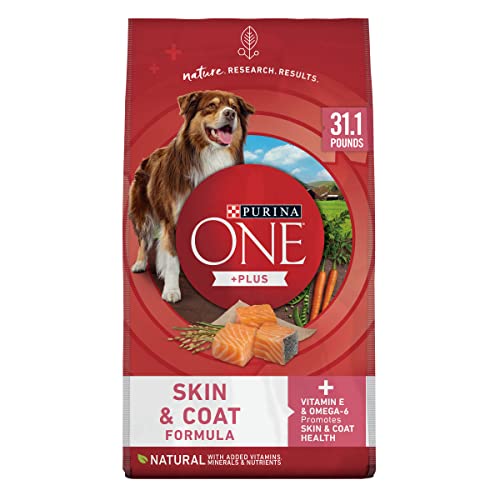
Purina ONE Natural, Sensitive Stomach Dry Dog Food, +Plus Skin & Coat Formula – 31.1 lb. Bag
Sensitive skin dog food made with real salmon as the #1 ingredient to help support strong muscles, including…
As an affiliate, we earn on qualifying purchases.
As an affiliate, we earn on qualifying purchases.
Conclusion
In managing your dog’s allergies, mindful monitoring and meticulous modifications make a massive difference. By balancing baths, bedding, and bites, you banish bothersome triggers and boost your buddy’s comfort. Remember, patience and persistence pave the path to relief, turning allergy aggravation into an easy, enjoyable experience. Take charge, stay vigilant, and create a calm, comfortable canine coexistence. With consistent care, you can confidently conquer canine allergies and cultivate a healthier, happier hound.

Earth Rated Pet Wipes for Dogs and Cats, Hypoallergenic, 3-in-1 Cleaning, Deodorizing and Hydrating, for Grooming Paws, Body and Butt, Unscented, 100 Count
PACKAGING UPDATE: Our unscented wipes are perfect for BOTH DOGS AND CATS! Current packages may say "Dog Wipes"…
As an affiliate, we earn on qualifying purchases.
As an affiliate, we earn on qualifying purchases.

PetArmor Antihistamine Allergy Relief for Dogs, Easy-to-Use Allergy Medicine for Dogs, Anti-Itch Medicine Provides Relief from Insect Bites, and Stings, 100 Tablets
SAME INGREDIENTS: These PETARMOR tablets contain the same active ingredient as BENADRYL Allergy ULTRATABS.
As an affiliate, we earn on qualifying purchases.
As an affiliate, we earn on qualifying purchases.