
When choosing a weight-management diet for your overweight dog, focus on foods that are low in calories but high in essential nutrients. Look for formulas with lean proteins, fiber, and controlled fat content. Always measure portions accurately and avoid treats and table scraps. Regular vet guidance can help you adjust portions and monitor progress. If you want to guarantee you’re making the best choice for your dog’s health, keep exploring your options for effective weight control.

Get pet supplies delivered free with Prime
- Fast, free delivery on millions of items
- Prime Video, Amazon Music and more included
- Member-only deals all year
Key Takeaways
- Select high-quality, lean protein sources to support weight loss without sacrificing nutrition.
- Choose commercial weight-management diets formulated with reduced calories and essential nutrients.
- Read labels carefully to understand serving sizes and calorie content, avoiding overfeeding.
- Incorporate fiber-rich foods to promote satiety and aid digestion during weight loss.
- Consult your veterinarian to select the most appropriate, balanced diet tailored to your dog’s needs.
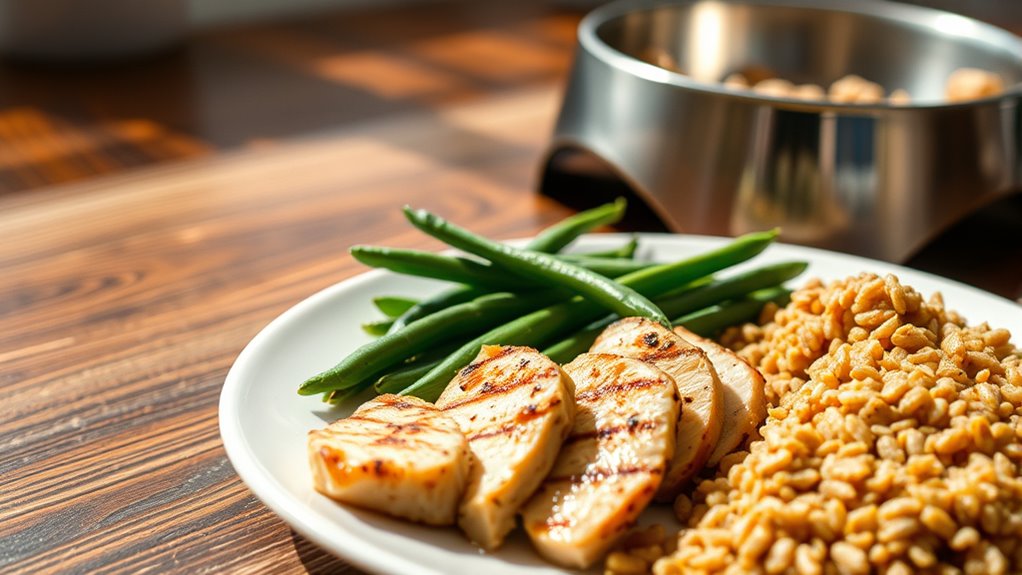
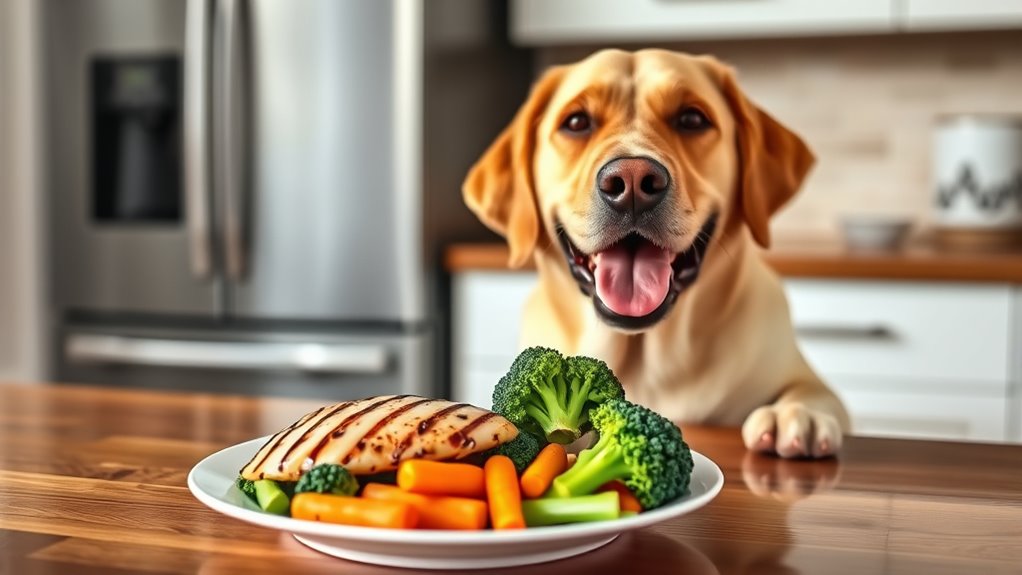
Ever wondered which diet really helps you manage weight effectively? When it comes to overweight dogs, choosing the right diet hinges on understanding two key principles: calorie control and portion sizes. You want to make sure your dog gets the nutrition it needs without excess calories that lead to weight gain. Starting with calorie control means carefully monitoring how many calories your dog consumes each day. This doesn’t mean starving your pet but rather providing just enough energy to maintain health while promoting gradual weight loss. Many commercial weight-management diets are formulated with reduced calories but still contain essential nutrients. Reading labels and understanding serving suggestions can help you avoid overfeeding. It’s tempting to give your dog treats or table scraps, but these extras can easily tip the calorie balance. Instead, opt for healthy, low-calorie treats or consider using a small portion of vegetables like carrots or green beans, which can satisfy your dog’s desire to chew without adding many calories.
Portion sizes play a vital role in controlling your dog’s weight. Even the best diet plan can fall short if you aren’t mindful of how much you’re feeding. Measure your dog’s food carefully, using a standard measuring cup or a scale to ensure accuracy. It’s easy to underestimate portions when scooping food directly from the bag, but precise measurement helps you stay on track. Establish a consistent feeding schedule with set portion sizes, and resist the temptation to free-feed, which can lead to overeating. Adjust portions as your dog loses weight, since their caloric needs decrease. Remember, consistency is key. Feeding your dog at the same times each day and sticking to the recommended portions helps regulate their metabolism and prevents overeating.
In addition to controlling calorie intake through portion sizes, consider the quality of the food. High-quality, lean protein sources, fiber, and essential nutrients support weight loss without sacrificing health. Combining the right food choices with disciplined calorie control and strict portion sizes creates a sustainable weight-management plan. Regularly consult your veterinarian to track your dog’s progress and make necessary adjustments. With patience and dedication, you’ll help your dog shed excess weight safely, improving their overall health, mobility, and happiness. Taking control of calorie intake and managing portion sizes might require effort initially, but it’s a small price to pay for a healthier, happier pet in the long run.
Products Worth Considering

Fi Series 3+ GPS Dog Collar & Tracker, Membership Required, Gray Large

Shark ZU102 Rotator Pet Upright Vacuum with PowerFins HairPro and Odor Neutralizer, Charcoal

Shark Rotator Pet Pro Lift-Away Upright Vacuum, DuoClean PowerFins, LA555
As an affiliate, we earn on qualifying purchases.
Frequently Asked Questions
Can Overweight Dogs Safely Lose Weight Without Exercise?
Yes, overweight dogs can safely lose weight without exercise by focusing on calorie reduction and portion control. You should feed smaller, measured amounts of nutritious food, ensuring they consume fewer calories than they burn. Monitoring their weight regularly helps track progress. While exercise benefits weight loss and overall health, strict portion control and calorie management can still lead to safe, steady weight loss if exercise isn’t possible.
How Often Should I Weigh My Dog During Weight Management?
Like a sailor checking their compass, you should regularly monitor your dog’s weight during weight management. Aim for weekly weighing to stay on course, adjusting as needed. This ideal weighing schedule helps you track progress and catch any setbacks early. Keep a record to see trends over time, ensuring your dog’s weight loss remains steady and safe. Consistent frequency monitoring keeps you confident in your journey toward a healthier weight.
Are Human Foods Ever Safe for Overweight Dogs?
Human foods can be safe for overweight dogs if you choose the right ones and feed them in moderation. Stick to plain, cooked vegetables, lean meats, and certain fruits, but avoid foods high in fat, sugar, or additives that pose safety concerns. Always check with your vet before offering human foods, as some can cause allergies or digestive issues, and it’s crucial to guarantee your dog’s safety and health.
How Long Does It Typically Take to See Weight Loss Results?
Imagine your dog’s body beginning to shed the excess weight like autumn leaves falling. Typically, you’ll see noticeable results within 2 to 4 weeks of consistent calorie reduction and a balanced diet. Remember, it’s about gradual progress, not quick fixes. Patience is key; steady weight loss guarantees your pup stays healthy and happy. Keep monitoring, and celebrate those small milestones along the way.
Should I Switch to a Different Diet if My Dog Stalls?
If your dog stalls, you should consider switching diets, but first, check their meal frequency and incorporate dietary supplements if recommended by your vet. Sometimes, adjusting how often you feed your dog or adding supplements can jumpstart weight loss. If stalls persist, a different diet might be necessary. Always consult your vet before making changes to guarantee your dog’s health and weight management progress stay on track.
Conclusion
Remember, guiding your dog toward a healthier weight is a gentle journey. By choosing the right foods and keeping consistent, you’re helping them feel their best without any abrupt changes. Patience and care go a long way, making the process feel more like a loving routine than a challenge. With your thoughtful choices, you’ll softly steer your furry friend toward a happier, healthier life—one small step at a time.