
TL;DR

Get pet supplies delivered free with Prime
- Fast, free delivery on millions of items
- Prime Video, Amazon Music and more included
- Member-only deals all year
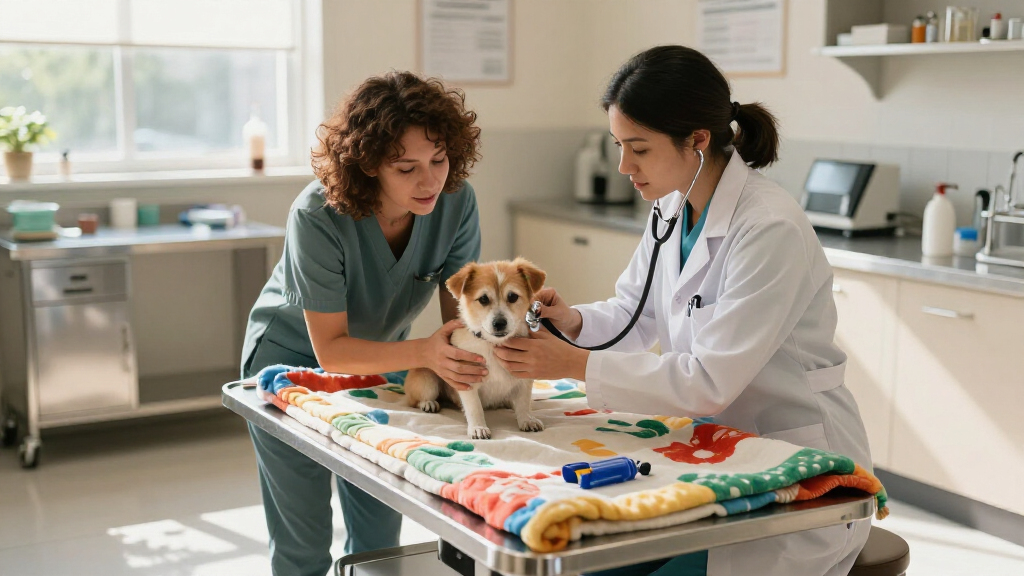
The ASPCA has announced new initiatives to expand access to affordable veterinary care nationwide. These efforts aim to help pet owners who face financial barriers, improving animal health and reducing shelter intake. The development signals a significant shift in nonprofit veterinary support.
The ASPCA has announced a series of new initiatives aimed at expanding access to affordable veterinary care across the United States, targeting pet owners who struggle with the high costs of veterinary services. This effort is part of the organization’s broader strategy to reduce pet homelessness and improve animal health outcomes, making veterinary care more accessible especially in underserved communities.
The ASPCA’s new programs include the expansion of mobile veterinary clinics, increased funding for community-based clinics, and partnerships with local organizations to provide subsidized services. According to ASPCA officials, these efforts are designed to reach pet owners in low-income neighborhoods who often delay or forego veterinary care due to cost concerns. The organization has allocated over $10 million toward these initiatives, with plans to operate in more than 20 states over the next year, including community veterinary clinics. The programs aim to reduce barriers such as transportation, cost, and lack of awareness about available services, ultimately helping more animals receive necessary medical attention and decreasing the number of animals surrendered to shelters due to health issues.Impact on Animal Welfare and Community Access
This expansion could significantly improve the health and well-being of millions of pets, particularly in underserved communities where veterinary costs are prohibitive. By making veterinary care more affordable and accessible, the ASPCA aims to reduce preventable illnesses, improve quality of life for animals, and decrease the number of pets surrendered to shelters. Experts suggest that increased access to veterinary services can also strengthen the bond between pets and owners, fostering healthier, longer-lasting relationships. Overall, this initiative reflects a shift toward more equitable animal healthcare and could serve as a model for other organizations seeking to address similar barriers.
As an affiliate, we earn on qualifying purchases.
Background on Veterinary Access and ASPCA’s Role
Access to affordable veterinary care has long been a challenge in the United States, especially in low-income and rural areas. Many pet owners delay or forgo veterinary visits due to high costs, leading to untreated health issues and increased shelter intake. The ASPCA has historically focused on animal rescue and sheltering, but in recent years, it has expanded its scope to include community-based veterinary programs. Prior efforts included mobile clinics and grant programs, but the current expansion marks a substantial increase in scale and scope, reflecting a broader trend among animal welfare organizations to address preventative care and community health.
In 2022, the ASPCA launched pilot programs in select cities, which showed promising results in reducing shelter admissions and improving pet health outcomes. Building on this success, the organization now aims to scale these services nationwide, leveraging partnerships with local clinics and government agencies to maximize reach and impact.
“Our goal is to remove financial barriers so that every pet can receive the care they need, regardless of their owner’s income. These programs are about building healthier communities through better access to veterinary services.”
— Sarah Hart, ASPCA Vice President of Community Programs
Unconfirmed Details About Program Funding and Reach
While the ASPCA has announced a $10 million investment, it is not yet clear how the funds will be distributed across different regions or how long the programs will be sustained. Additionally, the specific metrics for measuring success, such as the number of pets served or health outcomes, have not been publicly detailed. It remains uncertain whether these programs will be expanded further based on initial results or if additional funding will be secured beyond the current commitment.
Next Steps for Program Implementation and Evaluation
The ASPCA plans to launch its expanded programs over the coming months, beginning with pilot projects in 10 states. The organization will monitor and evaluate the impact through data collection on service utilization, health outcomes, and shelter intake rates. Results from these pilots will inform potential nationwide scaling and adjustments to program design. Stakeholders, including community organizations and local governments, will play a key role in facilitating this expansion. The ASPCA has also indicated that it will seek additional funding and partnerships to sustain and grow these efforts beyond the initial rollout.
Key Questions
How will the ASPCA fund these new veterinary programs?
The ASPCA has allocated over $10 million for these initiatives, with funding directed toward mobile clinics, community partnerships, and subsidized services. Specific distribution details are still being finalized.
Where will the new programs be available?
The programs will initially launch in more than 20 states, focusing on underserved urban and rural areas. Exact locations will be announced as planning progresses.
Who can access these affordable veterinary services?
Pet owners in participating communities, especially those facing financial hardship, will be eligible for subsidized veterinary care through the ASPCA’s expanded programs.
How will success be measured?
The ASPCA plans to track metrics such as the number of pets served, health outcomes, and shelter intake reductions, but detailed benchmarks have not yet been disclosed.
Will this program be permanent?
It is not yet clear whether the programs will be sustained long-term or expanded further, depending on initial results and future funding opportunities.
Source: rss
Fall Picks
fall essentials
As an affiliate, we earn on qualifying purchases.