TL;DR

Get pet supplies delivered free with Prime
- Fast, free delivery on millions of items
- Prime Video, Amazon Music and more included
- Member-only deals all year
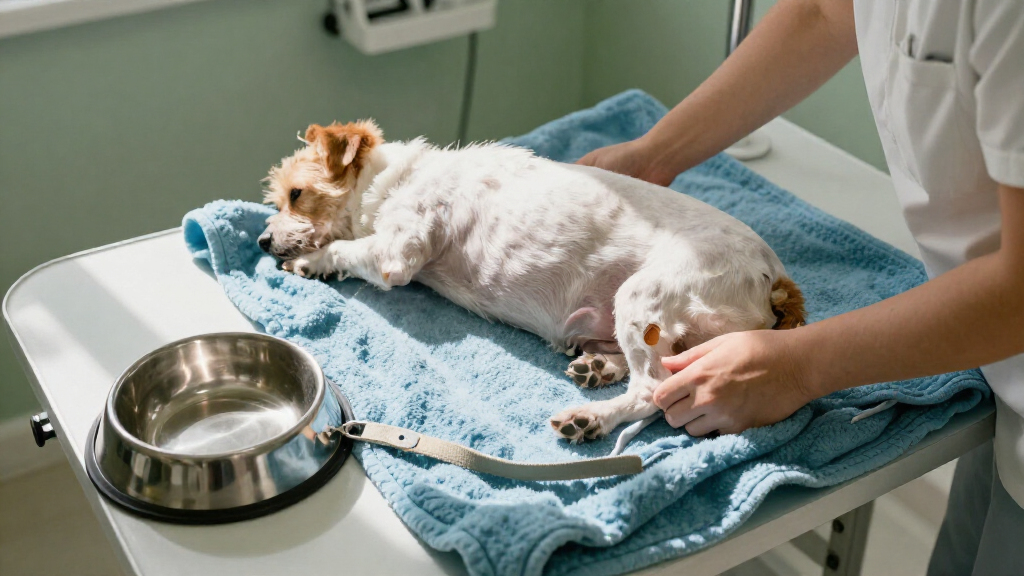
Gidget, a 2-year-old Yorkshire Terrier rescued by New York police, was diagnosed by ASPCA veterinarians with a congenital portosystemic shunt, a blood-vessel abnormality that can cause life-threatening complications. She underwent surgery on Feb. 11, 2026, and the ASPCA reported that she recovered well; the supplied account ends before giving details of her eventual adoption or long-term outcome.
The ASPCA says Gidget, a 2-year-old Yorkshire Terrier rescued in New York City after a report that her owner had kicked and punched her, underwent surgery on Feb. 11, 2026, to correct a congenital portosystemic shunt, a blood-vessel abnormality that can cause severe illness. The organization reported that she recovered well and needed fewer medications afterward, though the account provided does not say whether she has since been adopted or describe her long-term health.
Gidget arrived at the ASPCA Animal Recovery Center thin, with matted fur and a recent history of blunt-force trauma, according to the ASPCA. The New York Police Department had rescued her after someone reported seeing her owner kick and punch her days before Halloween. The account does not provide a date for the rescue or details about any criminal case, and the abuse description is attributed to the source report rather than independently established here.
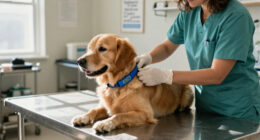
Veterinary tests repeatedly showed abnormalities, including a form of anemia, an unusual urine crystal and changes in liver values. An ultrasound and consultation with a board-certified internal medicine specialist raised concern for congenital portosystemic shunt (cPSS). The ASPCA describes the condition as an abnormal vessel that diverts blood from the intestines around the liver, keeping the organ from filtering substances normally and limiting its blood supply.
Gidget also had a variable appetite, occasional vomiting and periods of lethargy. She was monitored and treated while moving between ASPCA facilities, including the Recovery & Rehabilitation Center in Pawling, New York. After surgery to close the vessel, clinicians took a liver tissue sample; the ASPCA said the biopsy showed reduced blood flow consistent with the diagnosis. The organization said Gidget did well after surgery as her medications were reduced.
Why the Shunt Needed Treatment
A portosystemic shunt can affect more than digestion. When blood from the intestines bypasses the liver, substances the liver would ordinarily process can circulate through the body. The ASPCA says ammonia, a byproduct of digestion, can build up in affected dogs and interfere with brain function. Serious complications may include lethargy and seizures, and the condition can be fatal if left untreated, according to the organization.
The case also shows why Gidget’s care involved more than an operation. Before surgery, she needed repeated examinations, laboratory testing, carefully timed medication and a diet managed for protein. Staff were also alert to possible neurological signs and episodes of low blood sugar. These details matter because the ASPCA account presents surgery as one part of a longer course of veterinary monitoring and recovery, not an immediate or guaranteed resolution for every dog with the condition.
For readers, the report offers a specific example of a serious disorder identified during care for a rescued animal. It does not establish how often cPSS occurs or provide a general prognosis. Gidget’s reported progress is her individual outcome as described by the ASPCA.
Products Worth Considering

Fi Series 3+ GPS Dog Collar & Tracker, Membership Required, Gray Large

Roborock Robot Vacuum and Mop Combo with LiDAR Navigation, 10000Pa Suction, Anti-Tangle Brush, and Self-Empty Dock

PETLIBRO RFID Automatic Cat Feeder with Collar Sensor
As an affiliate, we earn on qualifying purchases.
From Rescue to February Surgery
After her arrival in New York City, Gidget was monitored, groomed and helped to gain weight at the ASPCA Animal Recovery Center. She was transferred to the organization’s Recovery & Rehabilitation Center in Pawling on Dec. 4, 2025, where staff continued her care and prepared for the possibility of neurological complications.
The ASPCA said medications had to be given several times a day and coordinated with meals. Because dietary protein needed to be controlled, staff sought enrichment options without protein that Gidget would accept. The organization described her as a picky eater who tolerated frequent blood draws and examinations. Staff also responded to episodes in which she collapsed after being too active; the ASPCA said low blood sugar, a further complication of shunts, was suspected.
After about a month in Pawling, Gidget returned to New York City and continued close monitoring, much of it in foster care, while awaiting surgery. The ASPCA said a foster caregiver was unavailable immediately after the operation, so its foster team sought another placement. That is where Jessica L., who had been inspired to foster by the SimonSits account and had experience with ASPCA placement partner Muddy Paws, entered the story. The supplied source text ends before completing the account of her role or describing Gidget’s final placement.
Gidget’s Long-Term Outcome
The ASPCA account supplied for this article says Gidget recovered well from surgery and did exceptionally well as her medications were reduced. It does not provide follow-up test results, say whether she remains on medication or explain whether the shunt-related problems have fully resolved. The account also stops while describing how Jessica L. became involved as a foster caregiver, so her later role and Gidget’s eventual adoption status are not confirmed here.
The source identifies the person who reported the alleged abuse and says the NYPD rescued Gidget, but it gives no information about an investigation, charges or court proceedings. No conclusion about the owner’s legal responsibility can be drawn from the supplied account. The report also does not include a veterinary prognosis specific to Gidget beyond the recovery details stated by the ASPCA.
Follow-Up on Her Foster Placement
The next useful update would be whether Gidget completed her recovery in foster care, what follow-up veterinary monitoring found and whether she was placed in a permanent home. The supplied ASPCA report does not state a date for any further update or describe a scheduled milestone.
Until more information is available, the confirmed endpoint is that she underwent surgery on Feb. 11, 2026, and the ASPCA said she recovered well as her medication was reduced. Her adoption status and longer-term health remain unreported in the material provided.
Key Questions
What condition was Gidget diagnosed with?
The ASPCA said tests and an ultrasound raised concern for congenital portosystemic shunt, or cPSS, an abnormal blood vessel that diverts blood around the liver.
What surgery did Gidget have?
According to the ASPCA, surgeons closed the vessel bypassing her liver on Feb. 11, 2026. They also took a liver tissue sample, which the organization said showed reduced blood flow consistent with the diagnosis.
How did Gidget recover?
The ASPCA reported that Gidget recovered well and did exceptionally well as her medications were reduced. The source material does not give later test results or a longer-term prognosis.
Was Gidget adopted?
The supplied account does not confirm an adoption. It describes a request for a foster caregiver after her surgery and introduces Jessica L. but ends before giving the outcome of the placement.
What caused Gidget’s original rescue?
The ASPCA said the NYPD rescued her after someone reported seeing her owner kick and punch her. The supplied report does not provide details about an investigation or legal proceedings.
Source: aspca.org