
Motion sickness in dogs happens when their inner ear, eyes, and environment send conflicting signals, causing nausea and discomfort during travel. Factors like sensory processing issues, stress, or poor air quality can make it worse. You can help by using calming accessories, ensuring a comfortable space, and avoiding heavy meals before trips. Proper preparation and understanding environmental cues can make travel smoother. For more tips on easing your dog’s discomfort, this overview covers essential ways to help them feel better on the move.

Get pet supplies delivered free — and shop member deals
- Fast, free delivery on millions of items
- Access to Prime Big Deal Days deals on October 6–7
- Prime Video, Amazon Music and more included
Key Takeaways
- Motion sickness occurs when conflicting signals from a dog’s inner ear, eyes, and sensory inputs cause nausea and dizziness.
- Using supportive travel accessories like beds, harnesses, and window shades can reduce anxiety and discomfort.
- Calming remedies such as pheromone sprays or herbal supplements may help soothe a stressed or sensitive dog.
- Improving the vehicle’s environment with proper ventilation and a calm setting minimizes sensory overload.
- Preparing for trips by offering light snacks, maintaining a comfortable temperature, and taking breaks can prevent or lessen symptoms.
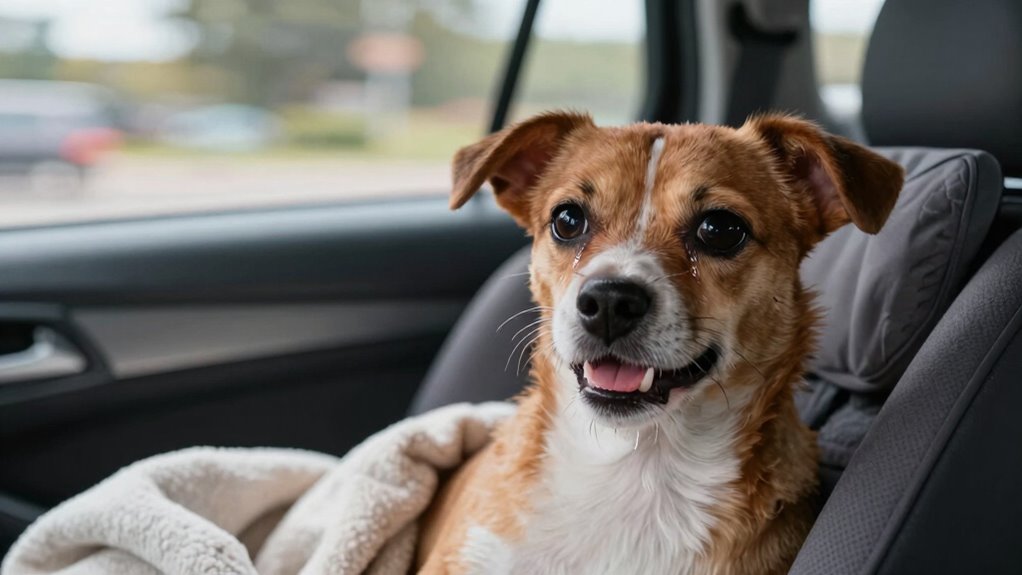
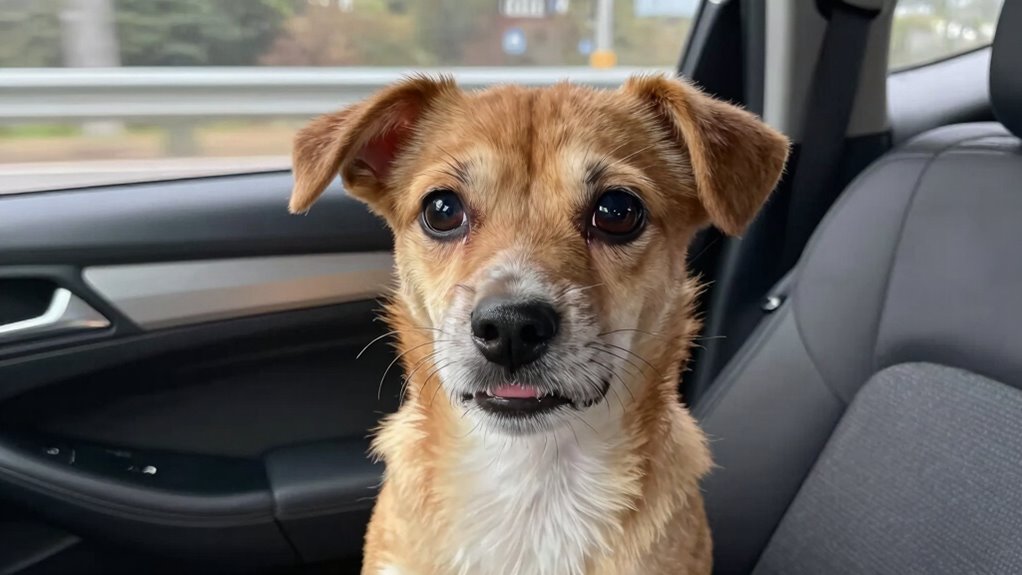
Have you ever noticed your dog drooling, whining, or vomiting during car rides? If so, you’re likely dealing with motion sickness, a common issue among dogs that can make travel stressful for both of you. Dogs experience motion sickness when their inner ear, eyes, and other sensory inputs send conflicting signals about movement. This can trigger nausea, dizziness, and discomfort. Fortunately, there are ways to help your furry friend feel better during car trips. Using the right dog travel accessories can make a significant difference, providing comfort and security that may reduce anxiety. Items like supportive travel beds, harnesses, and window shades can help your dog feel more at ease. For instance, a cozy, familiar blanket or a specially designed travel pad can provide a sense of security. Some dogs also benefit from calming accessories, such as calming vests that apply gentle pressure, mimicking a comforting hug. These accessories can help soothe your dog and minimize stress-induced symptoms.
In addition to physical comfort, you can incorporate canine calming remedies to ease motion sickness. Natural options like pheromone sprays or diffusers emit calming signals that can help relax your dog before and during travel. Herbal remedies, such as ginger supplements, are also popular because they can help settle your dog’s stomach. Always consult your veterinarian before giving any supplements or remedies, especially if your dog has underlying health issues. Understanding how sensory inputs influence a dog’s experience can help you better tailor your approach. Recognizing the importance of indoor air quality can also contribute to your dog’s overall well-being, especially in enclosed spaces like cars. Improving environmental factors such as ventilation and reducing odors can further enhance your dog’s comfort during travel. Additionally, maintaining good air quality in your vehicle may help reduce stress and nausea in sensitive dogs. Recognizing the significance of sensory processing can also aid in managing your dog’s reactions to travel stimuli. Combining these calming remedies with a calming environment—like a quiet, darkened space in the car—can further reduce anxiety and nausea.
Timing and preparation are crucial. Avoid feeding your dog a heavy meal right before traveling, as an empty stomach can sometimes worsen nausea. Instead, offer a small, easily digestible snack if needed. Make sure your dog is well-hydrated, but avoid giving large amounts of water just before the trip to prevent discomfort. During travel, keep the environment calm: speak softly, avoid sudden movements, and keep the car temperature comfortable. Break up long trips with frequent stops to stretch and give your dog a chance to relieve itself, which can also reduce stress.
As an affiliate, we earn on qualifying purchases.
Frequently Asked Questions
Can Motion Sickness in Dogs Be Inherited?
Yes, motion sickness in dogs can be inherited. A genetic predisposition means some dogs are more likely to experience it due to inherited traits. If your dog’s parents or relatives suffered from motion sickness, your pup might be more prone to it too. While you can’t change inherited traits, you can help manage symptoms through gradual exposure, calming techniques, and consulting your vet for tailored solutions.
Are Certain Dog Breeds More Prone to Motion Sickness?
Yes, certain dog breeds are more prone to motion sickness due to breed predispositions and genetic factors. Small breeds like Chihuahuas, Toy Poodles, and Yorkshire Terriers often experience it more frequently. Your dog’s genetic makeup influences how their body responds to movement, so understanding your breed’s tendencies can help you prepare and manage motion sickness better during travel. Being aware of these predispositions allows you to take proactive steps to ease your dog’s discomfort.
How Early Can Motion Sickness Symptoms Appear in Puppies?
You’ll notice motion sickness symptoms in puppies as early as 8 to 12 weeks old, during their critical puppy development phase. During this time, their sensory adaptation is still forming, making them more susceptible. Around this age, you might see signs like drooling, whining, or vomiting during car rides. Recognizing these early symptoms helps you manage their discomfort and gradually build their tolerance for travel.
Does Diet Influence a Dog’s Susceptibility to Motion Sickness?
Yes, diet impact can influence a dog’s susceptibility to motion sickness. Feeding your dog a balanced, easily digestible diet helps reduce nausea and discomfort during travel. Nutritional strategies like offering smaller, frequent meals before trips and avoiding heavy or greasy foods can make a difference. Ensuring your dog stays well-hydrated and avoiding sudden diet changes also supports their digestive health, potentially lessening motion sickness symptoms.
Can Medication Prevent Motion Sickness in Dogs?
You can use medication to prevent motion sickness in dogs, but it’s best to consult your vet first. For example, a dog prone to car sickness might benefit from prescribed anti-nausea pills. Alternative remedies and behavioral strategies, like calming sprays or gradual desensitization, can also help. Combining these approaches often provides the best results, making travel less stressful for your furry friend.
Conclusion
When it comes to motion sickness in dogs, understanding the causes and trying different remedies can make a big difference. Remember, patience is key—sometimes it takes time to find what works best for your furry friend. Don’t throw in the towel too soon; with a little perseverance, you can help ease their discomfort. After all, every cloud has a silver lining, and your efforts will pay off when your dog feels better during car rides.
Fall Picks
fall essentials
As an affiliate, we earn on qualifying purchases.