

Tailoring your dog’s diet to their breed and age ensures they get the right nutrients for ideal health, longevity, and happiness. Recognize that each breed has unique metabolic needs and predispositions, so choosing breed-specific formulas can support joints, weight, and overall wellness. Adjusting their food as they grow or age helps maintain energy and manage health issues. Keep these factors in mind to provide personalized care that keeps your dog thriving at every life stage.
Key Takeaways
- Breed-specific diets address unique metabolic needs, body structures, and health predispositions for optimal canine wellness.
- Age-appropriate nutrition supports growth, maintenance, and healthy aging through tailored nutrient levels.
- Considering breed size influences protein, fat, and vitamin requirements for balanced nutrition.
- Transitioning diets gradually between life stages ensures proper development and health maintenance.
- Consulting with a veterinarian helps customize diets based on breed, age, activity, and health status.

Have you ever wondered if your dog’s diet could be tailored specifically to their needs? It’s a great question because every dog is unique, and their nutritional requirements can vary based on factors like breed and age. By understanding this, you can provide a diet that supports their health, energy levels, and longevity. One effective way to do this is by focusing on breed-specific diets. Different breeds have distinct metabolic rates, body structures, and predispositions to certain health issues. For example, a large breed like a Labrador needs a different balance of nutrients compared to a small breed like a Chihuahua. Breed-specific diets are formulated to meet these specific needs, guaranteeing your dog gets the right amount of protein, fats, and vitamins. These diets help maintain ideal weight, support joint health, and reduce the risk of breed-related health problems.
In addition to breed considerations, age-appropriate nutrition plays a fundamental role in your dog’s well-being. Puppies, adults, and seniors all have different dietary requirements, and feeding them the right nutrition at the right time can make a significant difference. Puppies need diets rich in calories, protein, and nutrients like calcium and phosphorus to support rapid growth and development. As your dog matures into adulthood, their nutritional needs stabilize, and a balanced diet that maintains their weight and energy levels becomes essential. When they enter their senior years, their metabolism slows down, and they may develop age-related health issues like joint stiffness or dental problems. Providing age-appropriate nutrition tailored to these changes helps keep them comfortable and active longer.
The trick is to choose foods that are formulated with your dog’s specific age and breed in mind. Many commercial pet food brands now offer formulas designed for particular life stages and breeds, making it easier for you to select the right option. If you’re unsure, consulting with your veterinarian can help you identify the best diet plan tailored to your dog’s unique needs. Remember, a personalized approach isn’t just about picking the right brand but also about understanding your dog’s individual health status, activity level, and preferences. Paying attention to breed-specific dietary needs can make a significant difference in their overall health. By paying close attention to these factors, you’re taking proactive steps to guarantee your dog stays happy, healthy, and full of vitality throughout their life.

Hill's Science Diet Large Breed Adult Dry Dog Food 1-5, Quality Protein for Joint Support & Lean Muscles, Chicken & Barley, 35 lb. Bag
Natural sources of glucosamine & chondroitin for joint health
As an affiliate, we earn on qualifying purchases.
As an affiliate, we earn on qualifying purchases.
Frequently Asked Questions
How Does Climate Affect a Dog’s Personalized Diet?
Climate impact plays a big role in your dog’s diet, so you should make seasonal adjustments. In hot weather, you may need to provide more hydration and lighter foods to prevent overheating. During colder months, increase calorie intake to help maintain energy and warmth. By paying attention to climate and adjusting your dog’s diet accordingly, you guarantee they stay healthy and comfortable year-round.
Can Personalized Diets Prevent Hereditary Health Issues?
Think of personalized diets as a shield, helping to guard your dog against hereditary health issues. While they can’t erase genetic predispositions or breed-specific issues, tailored nutrition can strengthen your dog’s overall health and potentially delay the onset of certain conditions. By focusing on your dog’s unique needs, you give them the best chance at a healthier, happier life, even if some genetic factors are beyond your control.
What Are Signs of Nutritional Deficiencies in Dogs?
You might notice signs of nutritional deficiencies in your dog through behavioral changes like increased irritability or lethargy. Physical signs include dull coat, dry skin, or unexplained weight loss. Vitamin deficiencies can cause specific issues, such as weak bones from a lack of calcium or poor eyesight from low vitamin A. Regular check-ups and a balanced diet tailored to your dog’s breed and age help prevent these deficiencies and keep them healthy.
How Often Should a Dog’s Diet Be Reassessed?
You should reassess your dog’s diet every 6 to 12 months, especially during key life stages or if there are changes in health or activity levels. Regularly review feeding schedules and look for signs of nutritional deficiencies or weight changes. Make diet adjustments as needed to guarantee your dog’s nutritional needs are met. Consistent reassessment helps maintain ideal health and supports your dog’s well-being over time.
Are Homemade Diets Suitable for Personalized Nutrition?
Homemade recipes can be suitable for personalized nutrition if you guarantee they provide a nutritional balance tailored to your dog’s breed and age. You actively control ingredients, which helps meet specific dietary needs. However, it’s essential to consult a vet or canine nutritionist to create balanced meals, avoiding deficiencies or excesses. Regularly reassess your homemade diet’s effectiveness, and make adjustments based on your dog’s health and changing requirements.

Hill's Science Diet Small & Mini, Senior Adult 11+, Small & Mini Breeds Senior Premium Nutrition, Dry Dog Food, Chicken, Brown Rice & Barley, 4.5 lb Bag
Provides balanced minerals that support heart, kidney and bladder health
As an affiliate, we earn on qualifying purchases.
As an affiliate, we earn on qualifying purchases.
Conclusion
By tailoring your dog’s diet based on breed and age, you guarantee they get the nutrients they need to thrive. For example, a Labrador puppy may require more protein to support growth, while an older Chihuahua might need joint-friendly ingredients. When you personalize their nutrition, you help prevent health issues and boost their happiness. So, pay attention to your dog’s unique needs and consult with your vet—your furry friend will thank you with a happy, healthy life.

Hill's Prescription Diet Metabolic Weight Management Lamb Meal & Rice Formula Dry Dog Food, Veterinary Diet, 6 lb. Bag
Hill's Prescription Diet Metabolic Dry Dog Food clinical nutrition helps dogs lose weight and keep the lost weight…
As an affiliate, we earn on qualifying purchases.
As an affiliate, we earn on qualifying purchases.
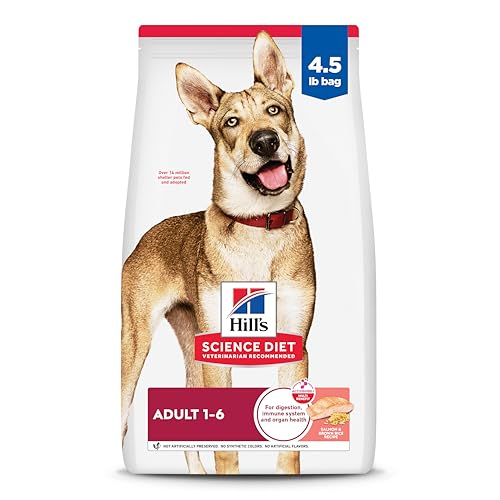
Hill's Science Diet Adult 1-6, Adult 1-6 Premium Nutrition, Dry Dog Food, Salmon & Brown Rice, 4.5 lb Bag
High quality protein for lean muscles
As an affiliate, we earn on qualifying purchases.
As an affiliate, we earn on qualifying purchases.