
Some dogs keep getting ear infections because they haven’t had proper ear hygiene or are prone due to their breed, like floppy-eared or allergy-prone dogs. Moisture after swimming or bathing can promote bacteria and yeast growth if ears aren’t thoroughly dried. Inadequate cleaning, irritants, or underlying health issues also play a role. Staying vigilant and following targeted care can help, and you’ll discover more ways to prevent infections as you continue exploring this topic.

Get pet supplies delivered free with Prime
- Fast, free delivery on millions of items
- Prime Video, Amazon Music and more included
- Member-only deals all year
Key Takeaways
- Breed predispositions, such as floppy ears or hair-heavy canals, increase susceptibility to infections.
- Poor ear hygiene and improper cleaning methods can lead to bacterial and yeast buildup.
- Excess moisture from swimming or rain creates an environment favorable for infections.
- Allergies and environmental irritants cause inflammation and excess wax, raising infection risk.
- Inadequate veterinary care or missed early signs can allow infections to persist or recur.
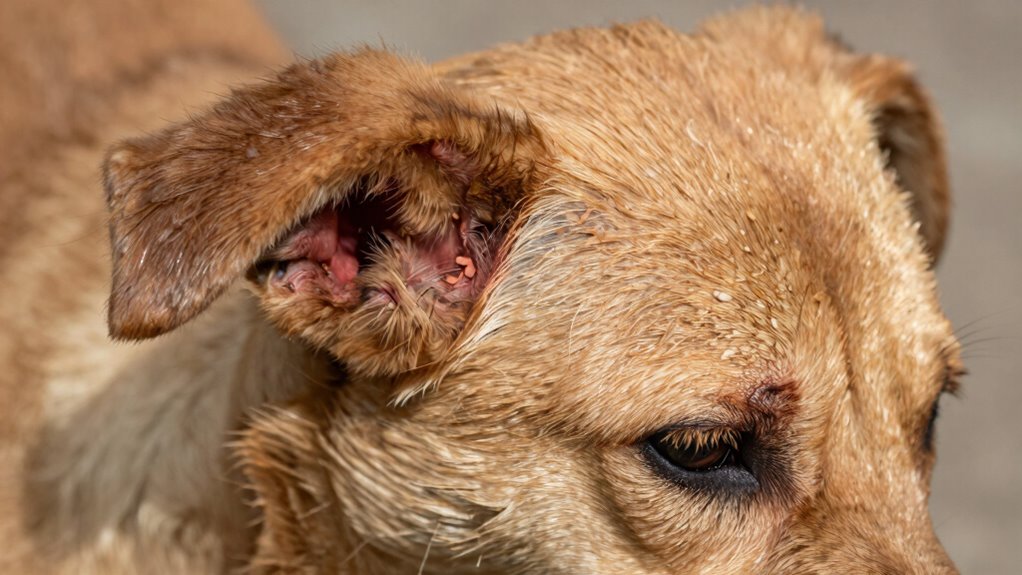
If your dog keeps getting ear infections, it can be frustrating and concerning. Recurrent ear issues often point to underlying problems that need attention, and one of the key steps you can take is improving your dog’s ear care routine. Regular dog grooming isn’t just about keeping your pet looking good; it also plays an essential role in preventing infections. Proper grooming helps remove excess hair, dirt, and wax that can trap moisture and create an ideal environment for bacteria and yeast to thrive. If your dog has floppy ears, thick hair, or is prone to allergies, you might need to pay extra attention to their ear hygiene.
Regular grooming and ear hygiene are vital to prevent infections, especially for dogs with floppy ears, thick hair, or allergies.
One common reason for recurring ear infections is inadequate ear cleaning. Many pet owners skip or perform improper ear cleaning techniques, which can worsen the problem rather than solve it. To effectively clean your dog’s ears, use a veterinarian-approved ear cleaning solution and follow specific steps. Gently lift your dog’s ear flap, and apply the cleaner into the ear canal, avoiding deep insertion. Massaging the base of the ear helps loosen debris and wax, making it easier to remove. Use a soft cloth or cotton ball to gently wipe away excess solution, dirt, and wax from the ear canal opening. Never use cotton swabs deep inside your dog’s ears, as this can damage the eardrum or push debris further in. Consistent, gentle cleaning can help prevent the buildup that often leads to infections. Additionally, understanding ear anatomy can help pet owners perform better ear care routines.
Beyond cleaning, it’s essential to monitor your dog’s environment and health. Moisture is a key factor that encourages infection, especially if your dog swims frequently or loves playing in the rain. After water exposure, thoroughly dry your dog’s ears to prevent dampness that promotes bacterial growth. Moisture control is crucial for reducing the risk of infections. Proper ear hygiene is also vital, particularly for breeds with predispositions to ear problems. Maintaining a clean environment where your dog spends time can also help reduce exposure to irritants and allergens that may contribute to ear issues. Knowing how ear infections develop and the factors involved can help you take more targeted preventative steps. Allergies can also cause inflammation and excess wax, making ears more susceptible to infections. If your dog has allergies, work with your vet to identify triggers and manage symptoms effectively.
Regular vet checkups are indispensable because some dogs are predisposed to ear problems due to their breed or anatomy. Your veterinarian can recommend specific ear cleaning routines, medications, or treatments if infections persist. Remember, consistent dog grooming and diligent ear cleaning techniques are your best defenses against recurring ear infections. By paying close attention to your dog’s ear health and cleaning habits, you can reduce the chances of infections recurring and keep your furry friend comfortable and healthy.
As an affiliate, we earn on qualifying purchases.
Frequently Asked Questions
Can Diet Influence a Dog’s Ear Health?
Yes, your dog’s diet impact can influence ear health. A poor diet may lead to nutritional deficiencies that weaken the immune system, making ears more prone to infections. Foods lacking essential fatty acids, vitamins, and minerals can compromise skin and ear tissue health. Feeding a balanced, nutrient-rich diet helps strengthen your dog’s defenses, reduces inflammation, and promotes healthier ears, lowering the risk of recurring infections.
Are Certain Breeds More Prone to Ear Infections?
Yes, certain breeds are more prone to ear infections due to breed predispositions and genetic factors. Floppy-eared breeds like Cocker Spaniels, Basset Hounds, and Poodles have more hair and less airflow in their ears, creating a perfect environment for infections. Your dog’s breed influences their risk, so you should regularly check and clean their ears, especially if they belong to a breed with known predispositions.
How Often Should I Clean My Dog’s Ears?
You should clean your dog’s ears once a week to prevent infections. Adjust the ear cleaning frequency if your dog has allergies or shows signs of discomfort, as these can affect ear health. Regular cleaning helps remove dirt, wax, and debris, reducing the risk of infections. Always use vet-approved products and be gentle. If your dog’s ears remain inflamed or smelly, consult your veterinarian promptly for proper care.
What Signs Indicate a Recurring Ear Infection?
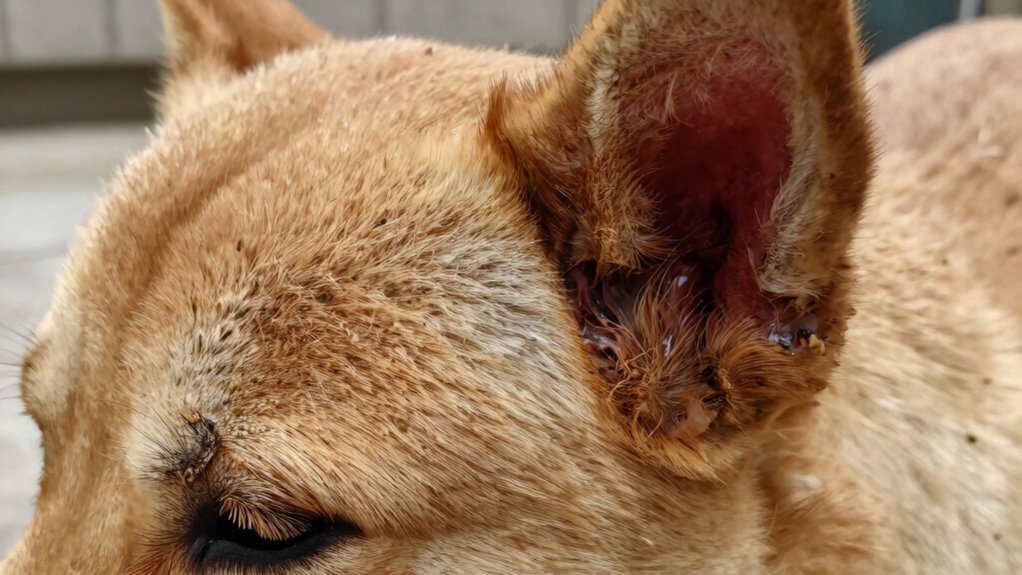
If your dog keeps scratching or shaking their head, it’s a sign of a recurring ear infection. Watch out for ear infection symptoms like redness, foul odor, and swelling. Persistent discomfort is another clue, showing your dog isn’t at ease. These signs are like red flags waving boldly—alerting you that an infection is lurking. Address them promptly to help your pup find relief and prevent further issues.
Are There Home Remedies for Recurring Ear Infections?
You can try natural remedies like gently wiping your dog’s ears with a diluted apple cider vinegar solution to help balance pH levels and reduce bacteria. However, if infections keep recurring, you should consult your vet for appropriate veterinary treatments. While home remedies can offer relief, persistent issues require professional care to prevent complications and make certain your dog’s ears stay healthy. Always check with your vet before trying new treatments.
Conclusion
Think of your dog’s ears as a delicate garden. If you neglect to keep out the weeds—excess moisture, dirt, and debris—they’ll take over, causing trouble. Regular cleaning and vigilant care act like a loyal gardener, protecting this tiny ecosystem. When you understand the signs and prevent the pests from invading, you help your furry friend stay healthy and happy. With consistent attention, you can turn the cycle of infections into a story of care and wellness.
Halloween Picks
halloween
As an affiliate, we earn on qualifying purchases.