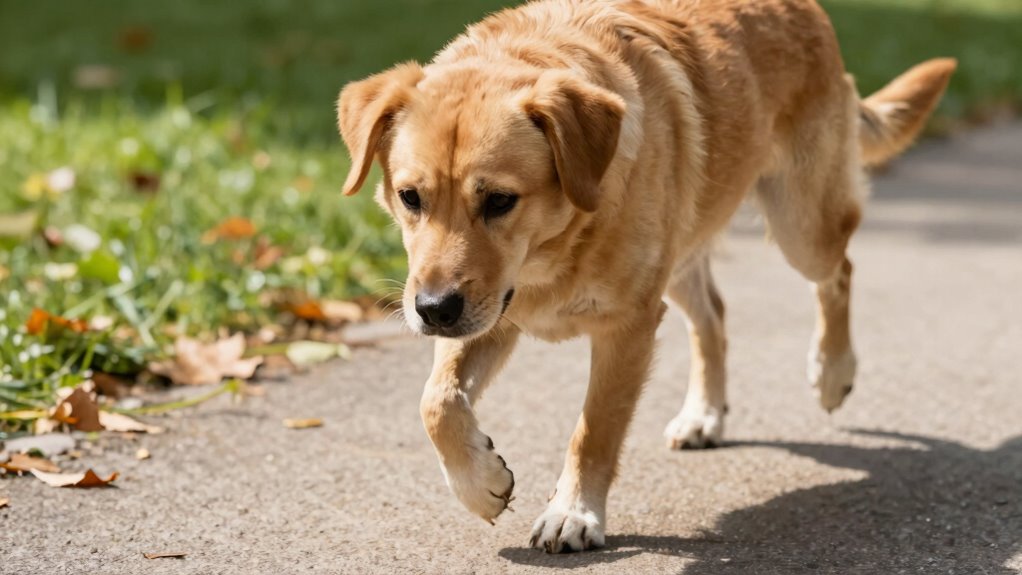

If your dog limps after vigorous activity and seems comfortable otherwise, rest and limited activity are usually enough for minor injuries. However, if the limping persists beyond a couple of days, worsens, or if you notice swelling, pain, or your dog yelps, it’s time to see a vet. Recognizing these signs early can prevent long-term issues. Stay with us to learn more about when to seek professional care and how to support your dog’s recovery.

Get pet supplies delivered free — and shop member deals
- Fast, free delivery on millions of items
- Access to Prime Big Deal Days deals on October 6–7
- Prime Video, Amazon Music and more included
Key Takeaways
- Sudden limping after activity with normal behavior usually indicates minor injury needing rest.
- Persistent, worsening, or painful limping requires prompt veterinary evaluation.
- Signs like swelling, warmth, or yelping suggest more serious issues needing medical attention.
- Early diagnosis and treatment prevent long-term damage and improve recovery outcomes.
- Supportive care, such as rest and joint supplements, can aid recovery and prevent future problems.
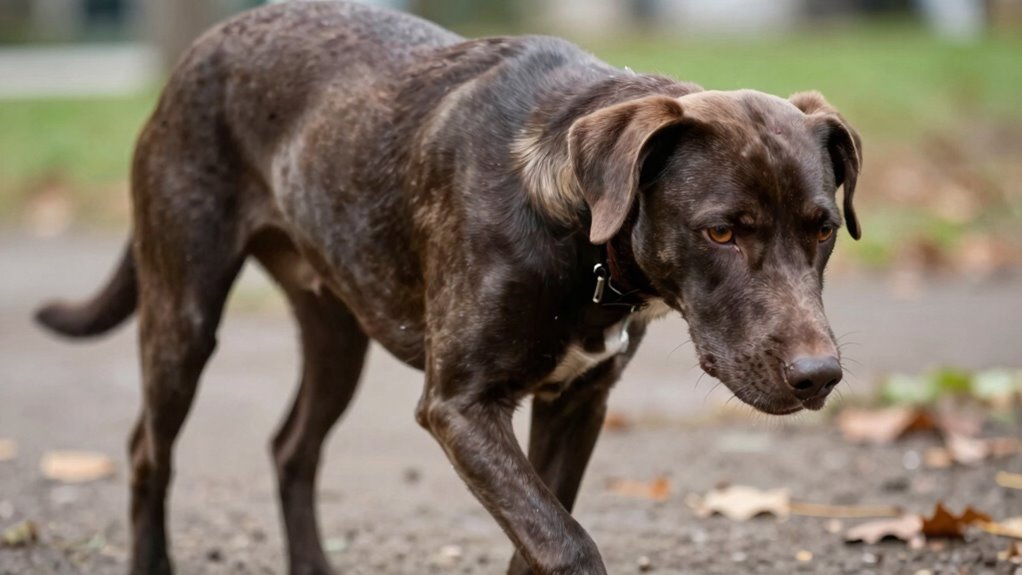
Have you noticed your dog limping or favoring one leg? It’s a common concern that can range from a simple ache to something more serious. Understanding when limping is just a temporary issue and when it’s a problem requiring immediate attention can help you care for your dog’s health effectively. First, observe your dog’s behavior carefully. If the limping appears suddenly after vigorous play or a jump, and your dog is still interested in eating and normal activities, it might be a minor injury like a sprain or strain. Rest and limited activity, along with gentle monitoring, often suffice to allow healing. Guaranteeing your dog’s joint health is maintained through proper diet and weight management can also prevent future issues. When it comes to canine mobility aids, these tools can support your dog’s recovery and comfort if the limping persists or worsens.
However, if your dog continues to limp for more than a day or two, or if the limping worsens, you should seek veterinary advice promptly. Persistent limping may indicate a more serious injury such as a fracture, ligament tear, or joint problem like arthritis. Older dogs, or those with previous joint issues, are especially prone to conditions that impair mobility. You might notice swelling, warmth, or tenderness around the affected limb, or your dog may yelp when moving or touched. In such cases, immediate evaluation is essential to diagnose the cause accurately and prevent long-term damage. Your veterinarian may recommend X-rays or other diagnostics to determine if there’s an underlying skeletal or joint issue. Based on the diagnosis, your vet might suggest treatments like medication, physical therapy, or even the use of canine mobility aids such as braces or carts to help your dog move comfortably. Additionally, understanding the importance of early diagnosis can significantly influence treatment outcomes. Recognizing signs of joint deterioration early can enable more effective intervention and better prognosis.
In addition to medical treatment, supporting your dog’s joint health plays a key role in recovery and future prevention. Supplements like glucosamine or chondroitin can promote joint repair and reduce inflammation. Providing a soft, supportive bed and avoiding slippery floors can also help minimize discomfort. Regular exercise tailored to your dog’s needs can strengthen muscles and support joint stability, reducing the risk of future injuries. Being aware of the signs of joint deterioration can help you identify issues early and seek prompt care, which is vital for maintaining your dog’s mobility. Remember, limping that doesn’t improve or gets worse over time isn’t something to ignore. It’s your responsibility to act quickly to assure your dog receives the appropriate care. In many cases, early intervention can prevent complications and improve your furry friend’s quality of life. Whether it’s a brief rest or a more extensive treatment plan involving mobility aids, your attentiveness is fundamental to your dog’s healing process.
dog joint supplement glucosamine chondroitin
As an affiliate, we earn on qualifying purchases.
As an affiliate, we earn on qualifying purchases.
Frequently Asked Questions
Can Limp Severity Indicate How Serious the Injury Is?
Yes, the severity of your dog’s limp can hint at how serious the injury is. A mild limp might suggest joint inflammation or a minor strain, while a severe limp could indicate nerve damage or a fracture. Observe if the limping worsens or improves with rest. If it’s persistent or worsening, consult your vet promptly, as more serious issues require professional diagnosis and treatment.
Is Limping Always Caused by Trauma or Injury?
Limping isn’t always caused by trauma or injury, much like a garden’s weeds appearing without a storm. Sometimes, joint inflammation or congenital issues are the culprits, quietly causing discomfort. Your dog might develop a limp from arthritis or birth defects, not just accidents. Keep an eye on persistent limping, and consult your vet to reveal the real cause behind your dog’s subtle signs of distress.
How Long Should I Wait Before Seeking Veterinary Care?
You should seek veterinary care if your dog’s limping lasts more than 24-48 hours, worsens, or is accompanied by swelling or pain. While preventive measures and home remedies like rest and ice packs can help, persistent limping indicates a need for professional evaluation. Don’t delay, as untreated injuries can worsen. Always monitor your dog closely and consult a vet promptly to ensure proper treatment and avoid complications.
Are Certain Dog Breeds More Prone to Limping?
Yes, certain dog breeds are more prone to limping due to breed predispositions and genetic factors. Small breeds like Dachshunds and French Bulldogs often face joint issues, while large breeds such as Labrador Retrievers and German Shepherds are prone to hip dysplasia. These genetic factors increase their risk of injury or joint problems, making it essential to monitor their limping closely and seek veterinary care promptly if symptoms persist or worsen.
Can Diet Influence a Dog’s Likelihood of Limping?
A healthy diet is your dog’s best medicine. Yes, diet can influence your dog’s likelihood of limping, especially through dietary deficiencies and organic inflammation. Poor nutrition weakens joints and muscles, making injuries more likely. Feeding your dog a balanced, nutrient-rich diet helps reduce inflammation and promotes stronger joints. Remember, “You are what you eat”—caring for their diet supports their joints and overall mobility, reducing the chance of limping.
Conclusion
Limping in your dog can be tricky to navigate, but don’t ignore the signs. Sometimes rest does the trick, and other times, it’s a red flag that needs professional attention. Trust your instincts and keep a close eye on your furry friend’s behavior. Remember, a stitch in time saves nine—acting promptly can make all the difference and help your dog get back on their paws faster. Stay vigilant and love them through every step.
Fall Picks
fall essentials
As an affiliate, we earn on qualifying purchases.