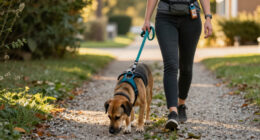
To start bikejoring, begin with basic obedience and leash training to make certain your dog responds well to commands. Use a properly fitted, padded harness designed for pulling, and practice in safe, open areas. Gradually introduce your dog to the bike, using commands like “hike,” and reward positive behavior. Maintain control, monitor your dog’s comfort, and keep safety gear on. As you progress, you’ll discover essential techniques to keep both of you confident and secure—stay tuned for more tips.

Get pet supplies delivered free — and shop member deals
- Fast, free delivery on millions of items
- Access to Prime Big Deal Days deals on October 6–7
- Prime Video, Amazon Music and more included
Key Takeaways
- Use a properly fitted, padded harness designed for pulling sports to ensure safety and comfort.
- Start training in a safe, open area with minimal distractions, gradually increasing distance and speed.
- Teach basic commands like “hike” or “let’s go” and reinforce with positive treats and praise.
- Keep training sessions short, consistent, and patient, avoiding forcing the dog if they show discomfort or anxiety.
- Regularly check your bike and gear, and practice safe riding habits to ensure a smooth and enjoyable bikejoring experience.
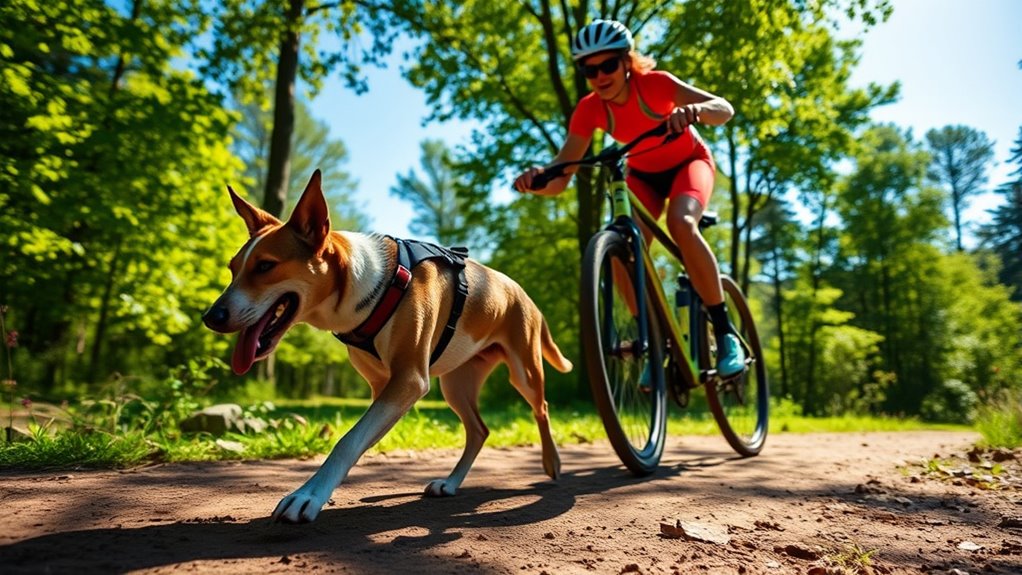
Bikejoring is an exciting activity that combines cycling and dog training, offering both physical exercise and mental stimulation for your dog. When you start training your dog for this sport, one of the most important aspects is guaranteeing they are comfortable and secure while pulling on a bike. That’s where proper dog harnesses come into play. Unlike collars, which can cause strain or injury to your dog’s neck, a well-fitted harness distributes the pulling force across your dog’s chest and shoulders, making it safer and more comfortable for them during bikejoring. Look for a harness specifically designed for pulling sports—these are usually padded, adjustable, and made from durable materials that can withstand the pulling force and rough outdoor conditions. Proper harness fit is critical; too loose, and your dog might slip out, too tight, and it could restrict movement or cause discomfort. Take the time to measure your dog accurately and adjust the harness for a snug but comfortable fit.
Bike safety is equally essential when you’re introducing your dog to pulling. Before you even start moving, make sure your bike is in good condition—brakes, tires, and gears should all be checked regularly. Practice in a safe, open area with minimal traffic to help your dog get used to running alongside the bike. Always start slow; don’t rush into high speeds or long distances until your dog is reliably responding to commands and comfortable with the process. Keep a firm grip on the handlebars and maintain control at all times, especially in unpredictable situations like sudden stops or obstacles. Using a lightweight, reflective leash attached to your dog’s harness can help you keep a close eye on their positioning and ensure safe distances are maintained.
In addition, understanding local regulations related to dog sports and outdoor activities can help you stay compliant and ensure a safe experience for both you and your dog.
Communication is key during training. Use consistent commands like “hike” or “let’s go” to signal your dog to start pulling, and reinforce positive behavior with treats or praise. Keep training sessions short and frequent to avoid fatigue or frustration, gradually increasing the duration as your dog builds strength and confidence. Remember, patience is crucial. Not all dogs pick up pulling skills immediately, and some may need extra encouragement or adjustments to their harness. Never force your dog into pulling if they seem uncomfortable or anxious. Always prioritize their safety and well-being, and never let them pull you into unsafe areas or traffic. With proper harnesses, attention to bike safety, and consistent training, you’ll set the foundation for a fun, rewarding bikejoring experience that strengthens your bond and keeps both of you active and healthy.
As an affiliate, we earn on qualifying purchases.
Frequently Asked Questions
What Age Is Appropriate to Start Bikejoring Training?
You should start bikejoring training when your puppy reaches around 12 to 18 months, depending on their puppy maturity and training milestones. At this age, their bones and joints are strong enough to handle the activity. Begin with basic obedience and leash training first, then gradually introduce low-intensity pulling exercises. Always watch for signs of fatigue or discomfort, and consult your vet to confirm your dog is ready.
How Do I Choose the Right Bikejoring Equipment for My Dog?
To choose the right bikejoring equipment, start by selecting a harness that fits snugly but comfortably around your dog’s body, ensuring safety gear like a well-fitted harness prevents chafing and provides control. Look for durable, lightweight materials, and check that the harness allows freedom of movement. Always test the fit before riding, and invest in quality gear designed specifically for bikejoring to keep your dog safe and comfortable.
Are There Breed Restrictions for Bikejoring?
Breed suitability varies for bikejoring, as some breeds are naturally better suited due to their size, strength, and stamina. While there are no strict breed restrictions, you should consider your dog’s individual temperament and fitness level. Training restrictions may apply if your dog is too young, inexperienced, or has health issues. Always assess your dog’s ability and comfort, and consult a trainer if you’re unsure about your breed’s suitability.
How Can I Prevent My Dog From Pulling Too Hard?
To prevent your dog from pulling too hard, focus on leash control and positive reinforcement. Keep the leash slack when your dog stays close and gently correct pulling with consistent cues. Reward your dog with treats and praise when they walk calmly beside you. Practice in distraction-free areas first, gradually increasing difficulty. With patience and positive reinforcement, your dog will learn to maintain a steady pace without pulling excessively.
What Signs Indicate My Dog Is Overwhelmed or Tired?
Did you know over 60% of dogs show signs of stress during intense activity? When bikejoring, watch for dog fatigue, like heavy panting or lagging behind. Signs of stress include yawning, lip licking, or trying to stop. If your dog exhibits these, it’s time to slow down or take a break. Recognizing these signs helps keep your dog safe and happy while enjoying your ride together.
Conclusion
Bikejoring is a fantastic way to bond with your dog while keeping both of you active. With consistent training, your dog can become a reliable puller, making your rides more enjoyable. Did you know that dogs can burn up to 500 calories per hour during intense exercise? That’s a great incentive to start training now. Remember, patience and positive reinforcement are key. Get ready for fun-filled, energetic adventures together!
Evergreen bestsellers Picks
bestsellers
As an affiliate, we earn on qualifying purchases.