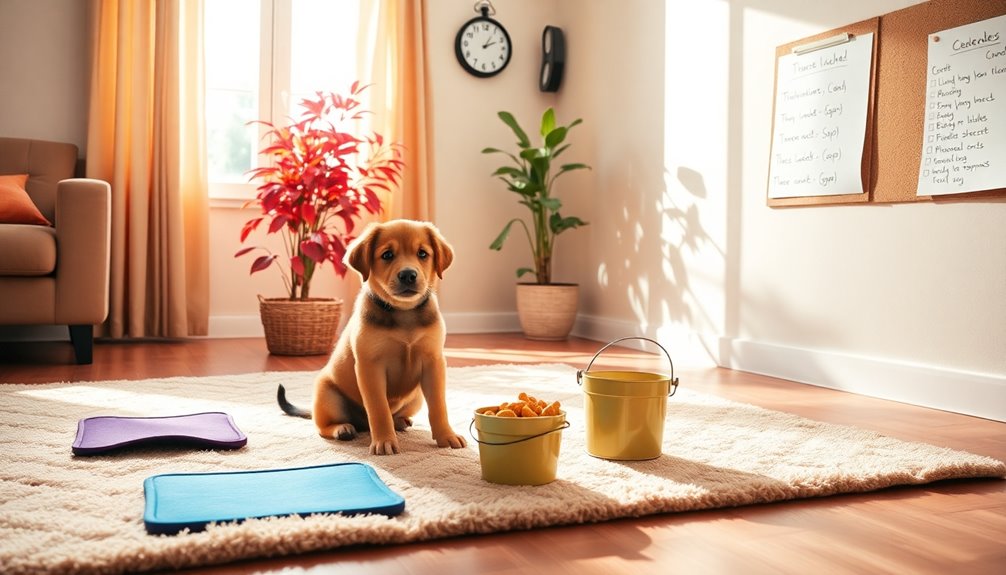

When leaving your puppy alone, start with short periods of a few minutes and gradually extend them based on how your puppy responds. Pay attention to signs of distress, and avoid rushing into long absences too quickly. Building confidence takes patience, and using positive reinforcement and a consistent routine can help your puppy feel secure. If you want to learn more about safe separation techniques, keep exploring these helpful tips.
Listen free for 30 days with Audible
Thousands of audiobooks and originals — cancel anytime.
As an affiliate, we earn on qualifying purchases.
Key Takeaways
- Start with short absences of just a few minutes, gradually increasing duration based on the puppy’s comfort.
- Watch for signs of distress; if they occur, slow down and extend alone time more gradually.
- Use positive reinforcement and toys to create a positive association with being alone.
- Most puppies can handle being alone for their age in hours, but individual responses vary.
- Establish a consistent routine to build confidence and predictability in separation periods.

Leaving a puppy alone can be challenging, especially if it’s your first time managing separation. Puppies are social creatures that thrive on companionship, so when you’re away, they can feel anxious or lonely. The key is to introduce periods of separation gradually, allowing your puppy to build confidence and independence without becoming overwhelmed. One effective way to do this is through crate training, which provides a safe, comfortable space for your puppy and helps them associate being alone with positive experiences. When you start crate training, keep sessions short and increase the duration slowly, so your puppy learns that being alone isn’t scary or stressful. This approach also supports puppy socialization, as your puppy learns to be comfortable in different environments and situations, including spending time alone. It’s important to remember that every puppy is different; some adjust quickly, while others need more time. Watch your puppy’s behavior carefully. If they bark excessively or show signs of distress, it’s a signal to slow down and give them more time to adjust. You don’t want to rush into long periods of separation too soon because that can set back their socialization and crate training progress. Instead, aim for short absences, such as a few minutes, and gradually extend these as your puppy becomes more comfortable. During these times, provide toys or treats in the crate to make it a positive space, reinforcing that being alone isn’t a punishment but a safe zone. You should also practice leaving your puppy with a trusted person or in a safe environment, so they learn that being alone is normal and manageable. Consistency helps a lot—stick to a routine so your puppy knows what to expect and feels more secure. Remember, it’s essential not to leave your puppy alone for too long at the start. Most puppies can handle about one hour per month of age, so a three-month-old puppy, for example, shouldn’t be left alone for more than three hours initially. Increasing this duration should be done gradually and cautiously. Patience and positive reinforcement are your best tools. With time, your puppy will learn that being alone isn’t frightening, and crate training combined with proper socialization will help them become confident, well-adjusted dogs. It’s also helpful to familiarize your puppy with different environments and caregiver resources, so they become accustomed to new situations and people. Establishing a training routine early on can significantly ease the adjustment process and promote independence. Developing a desensitization method can also be beneficial in easing your puppy’s separation anxiety. Incorporating positive reinforcement techniques can further enhance your puppy’s confidence in being alone. The goal is to strike a balance—giving your puppy enough independence to grow while ensuring they feel safe and loved in your absence.
As an affiliate, we earn on qualifying purchases.
Frequently Asked Questions
How Can I Tell if My Puppy Is Anxious When Alone?
You can tell your puppy is anxious when alone if they bark excessively, whine, or try to escape their crate. Watch for destructive behaviors or signs of stress during crate training and socialization. If these behaviors happen often, it indicates anxiety. Gradually increasing alone time helps your puppy adjust comfortably. Incorporate positive reinforcement, keep departures short initially, and make sure they’re well-socialized to reduce separation anxiety effectively.
What Are the Signs of Separation Anxiety in Puppies?
Imagine your puppy’s like a modern-day Marie Antoinette—clingy and anxious when alone. Signs of separation anxiety include barking, whining, destructive behavior, or accidents in the house. You can spot it early through puppy socialization and consistent crate training, which help your pup feel secure. Keep an eye on their responses when you leave, and gradually increase alone time to build confidence and reduce anxiety.
Is It Okay to Leave a Puppy Alone Overnight?
It’s generally okay to leave your puppy alone overnight once they’re comfortable with crate training and have good puppy socialization. Start by gradually increasing alone time during the day, then extend to overnight. Make sure they’re tired, have a safe space, and access to water. Keep good routines, and don’t rush the process. If your puppy shows signs of separation anxiety, consult a trainer before leaving them alone overnight.
How Long Should a Puppy Be Left Alone During the Day?
You should aim to leave your puppy alone for no more than a couple of hours during the day, gradually increasing as they grow. During this time, focus on positive puppy socialization and crate training to guarantee they feel secure. Short, frequent periods apart help prevent separation anxiety and build independence. Always monitor your pup’s behavior and provide plenty of mental stimulation and comfort when you’re together.
What Activities Can Keep a Puppy Occupied While Alone?
You can keep your puppy occupied with a variety of puppy toys and interactive games. Toys like chewables, puzzle feeders, and soft plushies stimulate their mind and keep them busy. Interactive games such as treat-dispensing puzzles or hide-and-seek with toys encourage your puppy to use their problem-solving skills. These activities help prevent boredom and destructive behaviors, making their alone time more enjoyable and less stressful for both of you.
Conclusion
Remember, every puppy is unique, so don’t rush their alone time. While it’s tempting to leave them longer as they grow, patience is key to building confidence and independence. If you worry about separation anxiety, start with short periods and gradually increase. It might feel slow, but this careful approach guarantees your puppy feels secure and loved, setting the foundation for a healthy, happy life together. Trust the process—you’re doing great!
Fall yard work Picks
leaf blowers
As an affiliate, we earn on qualifying purchases.