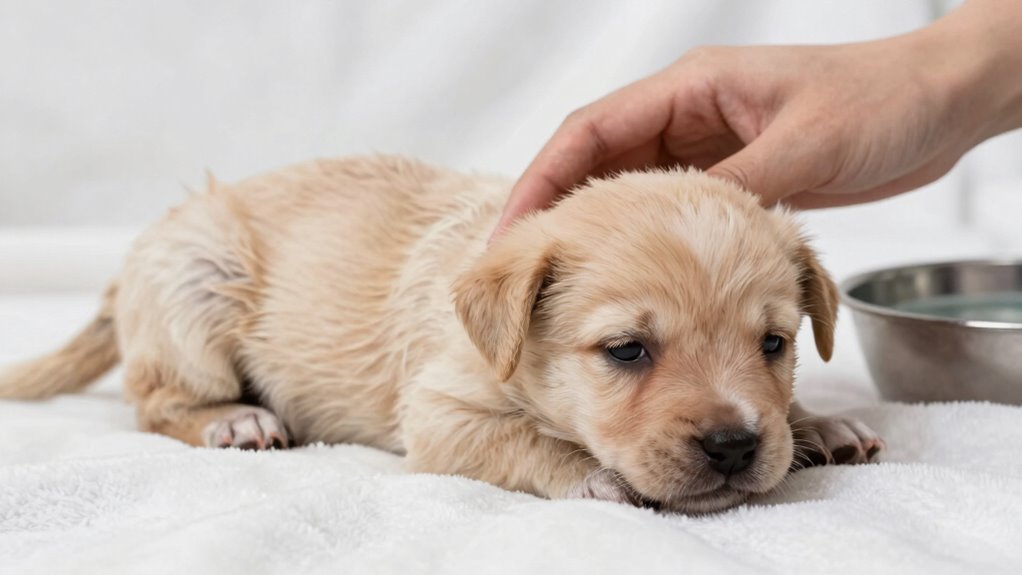

If your puppy’s diarrhea persists beyond a day, worsens, or is accompanied by blood, vomiting, lethargy, or signs of dehydration like dry gums, you should call the vet immediately. Keep an eye on stool consistency and frequency, and make sure they stay hydrated. Minor issues often clear up with proper diet and environment adjustments, but if symptoms continue or worsen, seek professional help to prevent complications. There’s more to understand about keeping your pup healthy and happy.

Get pet supplies delivered free — and shop member deals
- Fast, free delivery on millions of items
- Access to Prime Big Deal Days deals on October 6–7
- Prime Video, Amazon Music and more included
Key Takeaways
- Watch for persistent, severe, or bloody diarrhea, which requires immediate veterinary attention.
- Seek vet care if your puppy shows signs of dehydration, lethargy, vomiting, or refuses to eat.
- Monitor stool consistency and frequency to detect early signs of gastrointestinal issues.
- Call the vet if diarrhea lasts more than 24-48 hours or worsens despite home care.
- Consider veterinary consultation promptly if your puppy exhibits additional symptoms like weight loss or abnormal behavior.
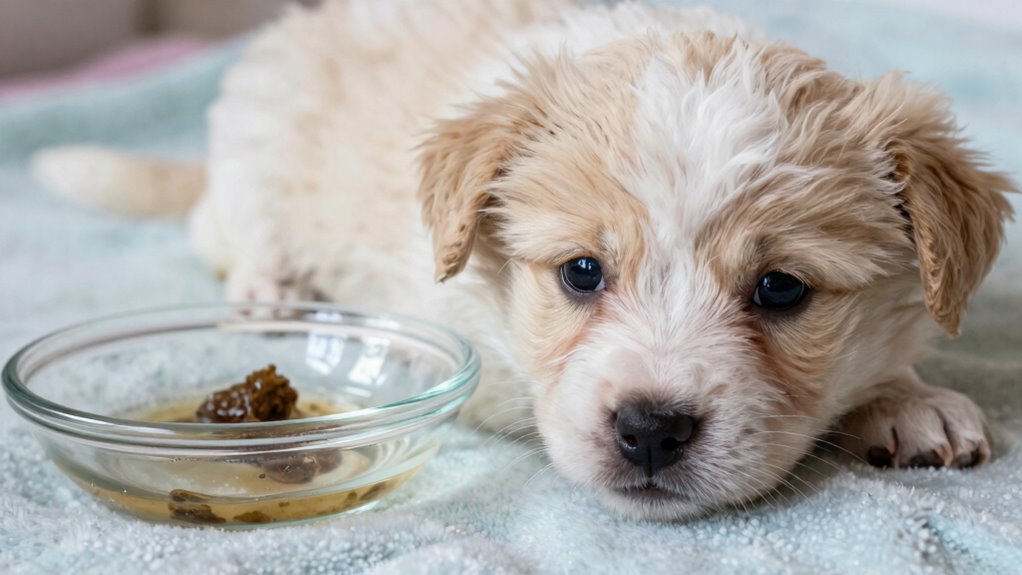
Puppy diarrhea can be concerning, but understanding its causes and knowing when to seek veterinary care can make a difference. One common reason for diarrhea in puppies is sudden diet changes. If you’ve recently switched your puppy’s food or introduced new treats, their digestive system might need time to adjust. Abrupt changes can upset their stomach, leading to loose stools or diarrhea. To minimize this, it’s best to shift gradually by mixing small amounts of the new food with the old over several days. Also, make certain that you’re feeding high-quality, puppy-specific food that meets their nutritional needs. Proper diet management, including consistent feeding schedules, can help maintain a healthy gut and reduce the risk of diarrhea caused by dietary factors.
Parasite prevention is another vital aspect of keeping your puppy healthy and avoiding diarrhea. Puppies are especially vulnerable to intestinal parasites like roundworms, hookworms, and coccidia, which can cause gastrointestinal upset. Regular deworming and parasite prevention treatments are essential, even if your puppy shows no symptoms. Your veterinarian can recommend a parasite control plan suited to your puppy’s age and risk factors. Guaranteeing a clean environment, preventing exposure to contaminated soil or feces, and practicing good hygiene are also important in reducing parasite transmission. If you notice diarrhea accompanied by other signs such as vomiting, lethargy, or a distended abdomen, it could be a sign of parasitic infection or other health issues that require prompt veterinary attention. Additionally, maintaining a clean environment can significantly decrease the risk of infections that cause diarrhea. Incorporating preventive health measures can further protect your puppy from common gastrointestinal issues.
Monitoring your puppy closely is essential. Keep an eye on the consistency and frequency of their stool, and note any additional symptoms like blood in the stool, dehydration, or refusal to eat. Mild diarrhea often resolves on its own with proper hydration and diet management, but persistent or severe cases shouldn’t be ignored. If your puppy exhibits signs of dehydration, such as dry gums or lethargy, or if they’re vomiting repeatedly, it’s time to contact your vet. They can perform diagnostic tests to identify underlying causes, including parasites, infections, or dietary issues, and recommend appropriate treatment. Additionally, understanding digestive health can help you better manage and prevent issues like diarrhea. Remember, timely intervention can prevent complications and assure your puppy recovers quickly and comfortably.
As an affiliate, we earn on qualifying purchases.
Frequently Asked Questions
Can Puppy Diarrhea Be Contagious to Humans?
Puppy diarrhea can be contagious to humans through zoonotic transmission, especially if caused by bacteria, parasites, or viruses. You should practice good hygiene, like handwashing, after handling your puppy or cleaning up diarrhea, to minimize the risk of human infection. While not all causes are zoonotic, it’s best to be cautious. If you’re concerned about symptoms, consult a healthcare provider to ensure proper care and prevent any potential transmission.
How Long Is Too Long for Diarrhea to Persist?
If your pup’s tummy troubles linger beyond 24-48 hours, it’s time to pay closer attention. Persistent diarrhea suggests it’s best to review diet management and guarantee hydration importance is maintained. Keep your puppy well-hydrated with fresh water, and consider gentle, bland foods to soothe their stomach. If symptoms continue past a couple of days, or if your pup shows signs of distress, it’s wise to consult your veterinarian promptly.
Are Certain Foods More Likely to Cause Diarrhea?
Certain foods are more likely to cause diarrhea in puppies, especially those with dietary triggers or food sensitivities. Common culprits include dairy products, spicy foods, fatty treats, and artificial additives. You should watch for signs of sensitivity after introducing new foods. To keep your puppy healthy, stick to a consistent diet and avoid giving them table scraps or human treats that might upset their stomachs.
Should I Withhold Food if My Puppy Has Diarrhea?
Yes, withholding food temporarily can help your puppy’s stomach settle. Focus on diet management by offering small, bland meals once symptoms improve. During this time, monitor symptoms closely, watching for dehydration, lethargy, or blood in stool. If diarrhea persists beyond 24 hours or worsens, contact your vet promptly. Proper diet management and symptom monitoring guarantee your puppy recovers safely without unnecessary discomfort.
Can Probiotics Help Treat Puppy Diarrhea?
Yes, probiotics can help treat your puppy’s diarrhea. They introduce beneficial probiotic strains that support healthy gut flora, aiding recovery. Make sure to follow dosage guidelines carefully, as giving too much or too little can be ineffective or cause issues. Consult your vet to determine the right probiotic strains and dosage guidelines for your puppy’s specific needs, ensuring safe and effective support for their digestive health.
Conclusion
When your puppy has diarrhea, watch for signs of dehydration and changes in behavior, and call your vet if it persists or worsens. When you notice blood or mucus, refuse to ignore the symptoms, and seek professional help. When your puppy refuses food or shows lethargy, don’t delay—act promptly. Remember, stay attentive, stay vigilant, and stay caring. Your quick response can make all the difference in helping your puppy feel better.
Halloween Picks
halloween
As an affiliate, we earn on qualifying purchases.