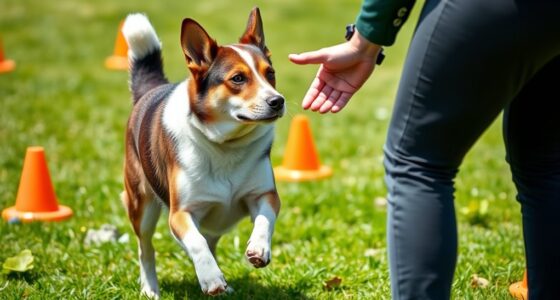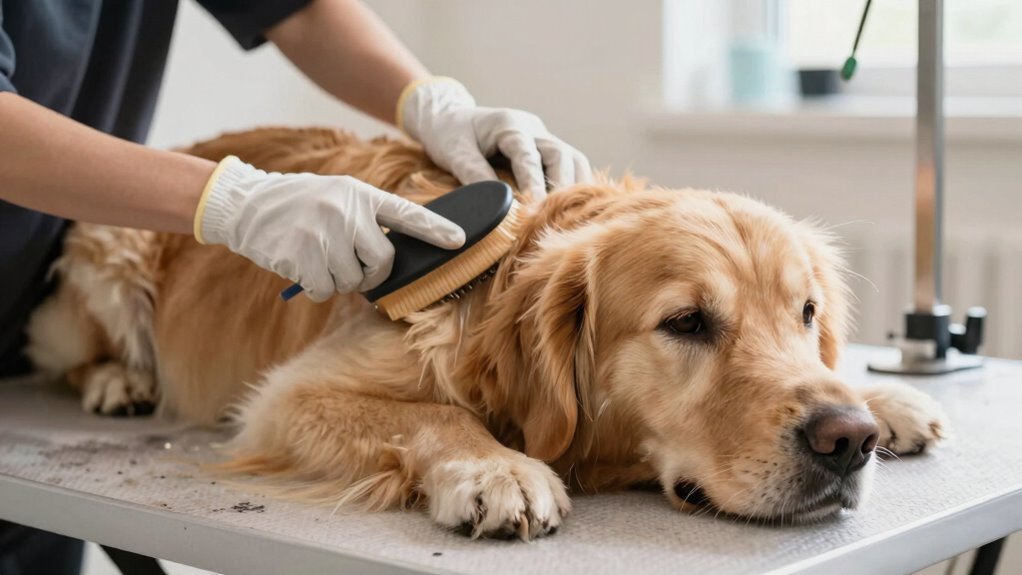

Involving your dog in cooperative grooming helps reduce stress, making the experience positive for both of you. By encouraging your dog to participate actively, you build trust and comfort, helping them see grooming as safe and pleasant. Using gentle techniques, treats, and commands keeps them calm and focused. This approach prevents negative behaviors and strengthens your bond. Keep exploring to discover how to make grooming even easier and more enjoyable for your dog.

Get pet supplies delivered free — and shop member deals
- Fast, free delivery on millions of items
- Access to Prime Big Deal Days deals on October 6–7
- Prime Video, Amazon Music and more included
Key Takeaways
- Encourages positive associations with grooming, reducing fear and resistance.
- Builds trust and strengthens the bond between dog and owner.
- Enhances the dog’s comfort and cooperation during grooming routines.
- Prevents stress-related behaviors and promotes overall well-being.
- Facilitates efficient grooming, making the process safer and more manageable.
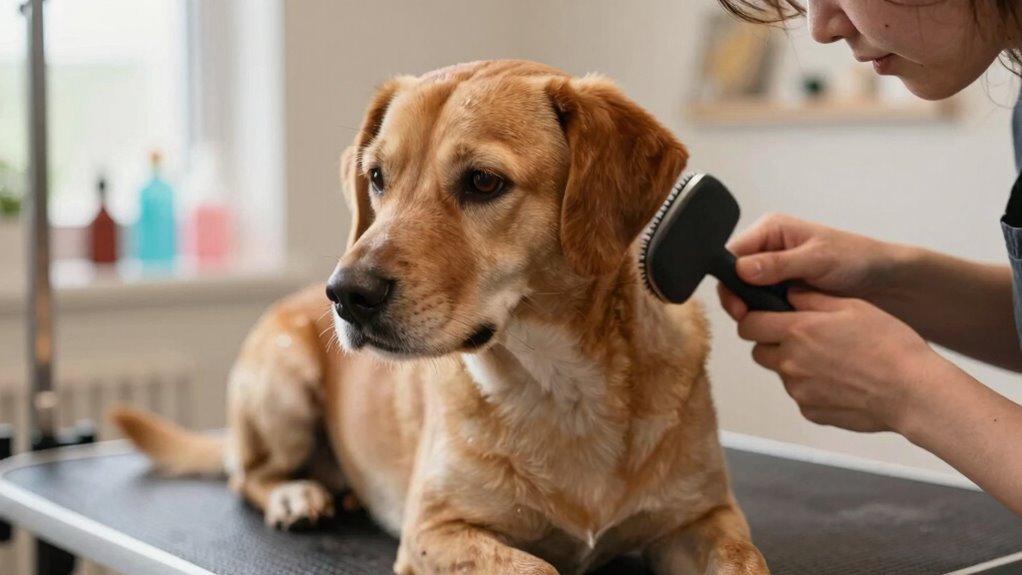
Cooperative care for dogs is a modern approach that encourages positive interactions between pet owners and their dogs during veterinary visits, grooming, and training. Instead of relying on force or restraint, you focus on building trust and comfort, which makes the entire process smoother for both of you. When your dog actively participates in grooming, it reduces stress and creates a more enjoyable experience. This approach is especially effective when combined with dog training and behavior modification techniques that promote calmness and cooperation.
Cooperative care builds trust, reduces stress, and makes grooming and vet visits more positive for dogs and owners alike.
You can start by introducing your dog to grooming tools gradually, pairing their use with treats and praise. This helps your dog associate grooming sessions with positive outcomes, making them more willing to participate. Over time, your dog learns that grooming isn’t scary or uncomfortable but something that’s safe and even pleasurable. As you work through behavior modification, your goal is to desensitize your dog to handling and grooming procedures, which minimizes anxiety and resistance. This process requires patience, but the long-term benefits include less struggling during grooming and fewer behavioral issues related to fear or discomfort.
Involving your dog in grooming routines also allows you to practice basic dog training skills. Commands like “sit,” “stay,” or “gentle” can be incorporated into grooming sessions to help your dog remain calm and focused. These training elements reinforce good behavior and help your dog understand what’s expected of them. When your dog participates willingly, it’s easier to perform necessary grooming tasks like brushing, trimming, or nail clipping. This proactive approach not only improves your dog’s overall well-being but also fosters a stronger bond between you. Additionally, understanding positive reinforcement techniques can significantly enhance the effectiveness of cooperative care.
Furthermore, engaging your dog in grooming through cooperative care can prevent the development of negative behaviors. If grooming is consistently associated with stress or pain, your dog might start to resist or become fearful during future visits. By practicing behavior modification and dog training that emphasize calm cooperation, you minimize these risks. Your dog learns to see grooming as a normal, non-threatening part of their routine, which ultimately makes veterinary visits and other handling less stressful for everyone involved. Recognizing desensitization as a key component can help you tailor your approach to your dog’s individual needs. Additionally, understanding positive interactions during grooming can significantly enhance your dog’s overall well-being and foster a trusting relationship.
In short, involving your dog in grooming through cooperative care is a proactive way to ensure their comfort and safety. It promotes positive interactions, reduces anxiety, and encourages good behavior. When you combine this with dog training and behavior modification, you’re not only making grooming easier but also reinforcing your role as a caring and confident pet owner. This approach helps your dog develop habits that last, making every grooming session a positive experience that benefits both of you.
A key element to success in cooperative care is understanding cultural and spiritual symbols, which can help you build a more meaningful connection with your dog and environment.
As an affiliate, we earn on qualifying purchases.
Frequently Asked Questions
How Can I Tell if My Dog Enjoys Grooming Sessions?
You can tell your dog enjoys grooming sessions if they show signs of dog relaxation, like a loose body, wagging tail, or relaxed face during the process. Look for positive grooming rewards, such as your dog leaning into the touch or seeking more attention afterward. If your dog remains calm and seems enthusiastic to participate, it indicates they’re comfortable and enjoying the experience, making grooming a pleasant bonding time.
What Are Signs of Stress During Grooming?
Did you know that nearly 70% of dogs show stress signals during grooming? You’ll notice signs like lip licking, yawning, trembling, or trying to escape. To help, use calming techniques such as gentle massage or soothing voice commands. Recognizing stress signals early allows you to respond calmly, creating a positive grooming experience. This approach helps your dog feel safe and reduces anxiety during grooming sessions.
How Often Should My Dog Be Groomed for Optimal Health?
You should groom your dog based on their breed-specific care needs and grooming frequency recommendations. Generally, most dogs benefit from grooming every 4-8 weeks, but some breeds, like long-haired or double-coated breeds, need more frequent attention. Regular grooming keeps their coat healthy, prevents mats, and supports overall health. Pay attention to your dog’s comfort, and adjust grooming sessions accordingly to make sure they stay happy and healthy.
Can Grooming Help Prevent Certain Health Issues?
Grooming acts like a health check-up for your dog, catching issues early. Imagine running your fingers through their shiny coat, feeling for lumps or skin irritations. Regular grooming allows for dog hair analysis and skin health assessments, helping prevent infections, hot spots, or parasites. By staying attentive during grooming sessions, you can spot potential problems before they worsen, keeping your furry friend comfortable and healthy.
What Tools Are Best for Grooming Different Dog Breeds?
You should select grooming tools based on your dog’s breed, using breed-specific brushes to guarantee proper care. For example, slicker brushes work well for breeds with thick coats, while pin brushes suit long-haired dogs. Metal combs help detangle and remove loose hair. Always choose tools that match your dog’s coat type to prevent discomfort and skin irritation, making grooming a positive experience for both of you.
Conclusion
By involving your dog in grooming through cooperative care, you build trust and make the experience stress-free. Remember, 85% of dogs that participate willingly in grooming sessions show fewer behavioral issues and enjoy closer bonds with their owners. So, next time you groom your pup, think of it as a bonding moment rather than a chore—your dog will thank you with a happier, healthier life. Embrace cooperation, and watch your bond grow stronger every day.
Fall Picks
fall essentials
As an affiliate, we earn on qualifying purchases.