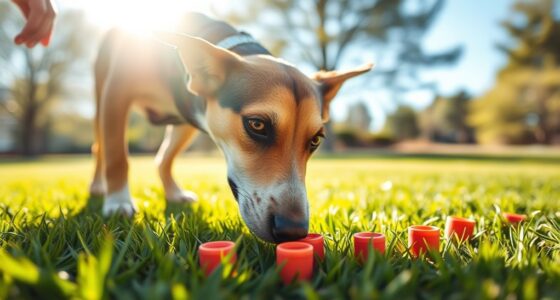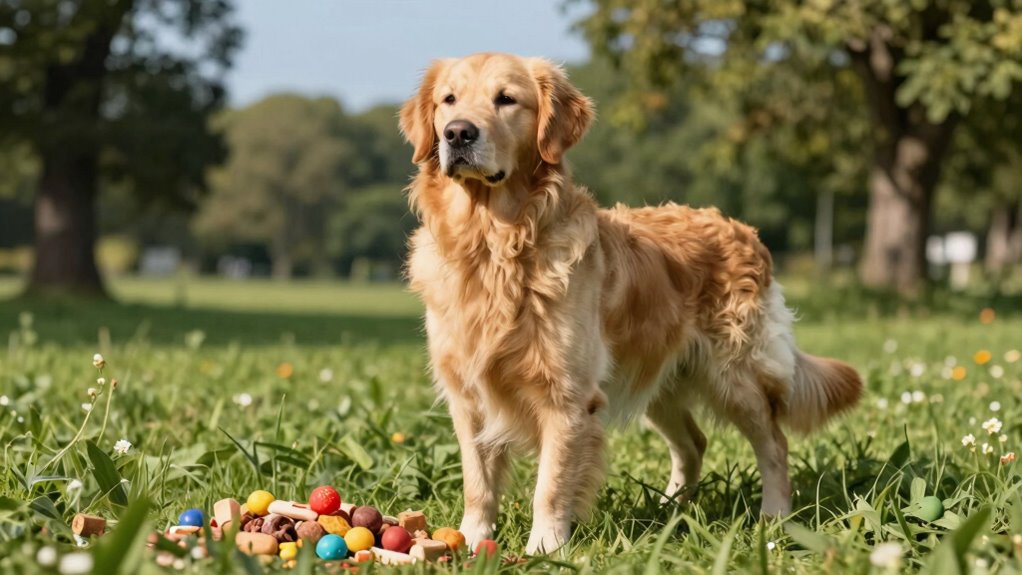

When your dog ignores treats outdoors, it often means they’re distracted by environmental stimuli like smells, sights, or sounds, rather than being disobedient. Natural curiosity and instincts make them focus on their surroundings, which can reduce their attention span. It’s not about stubbornness but rather a focus issue caused by the environment. With patience and gradual training, you can help your dog learn to focus better outside. Keep going to discover effective tips to improve their outdoor attention skills.

Get pet supplies delivered free with Prime
- Fast, free delivery on millions of items
- Prime Video, Amazon Music and more included
- Member-only deals all year
Key Takeaways
- Environmental distractions divert the dog’s attention away from treats and training cues.
- Natural curiosity and instincts cause dogs to focus on scents, sights, and sounds outdoors.
- Overwhelm from multiple stimuli reduces the dog’s ability to concentrate on treats.
- Ignoring treats outdoors reflects focus issues, not disobedience or stubbornness.
- Gradual training and patience help dogs learn to ignore distractions and focus on handler.
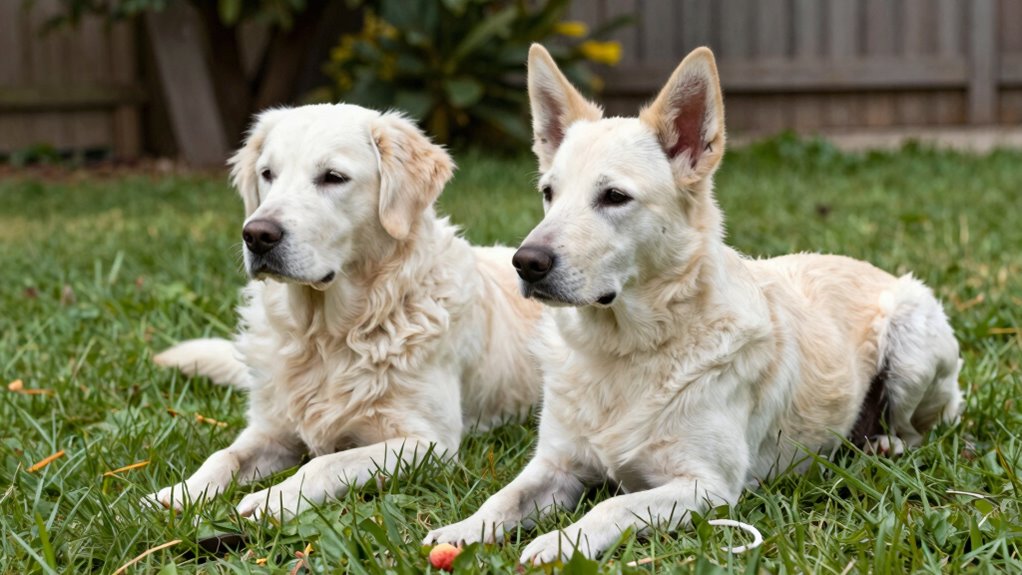
Many dog owners have experienced the frustration of their pet ignoring treats outdoors, especially when distractions are plentiful. It can be confusing and even disheartening to see your dog overlook a tasty reward when they’re surrounded by interesting smells, sights, and sounds. Often, this behavior isn’t about your dog not wanting the treat but rather about their focus being pulled in multiple directions. It’s essential to understand that outdoor environments naturally introduce environmental distractions that can make training more challenging. Your dog might be overwhelmed by the multitude of scents, other animals, or busy activity around them, which causes their attention to drift away from the treat and from you.
Outdoor distractions can make dogs overlook treats, not disobedience—patience and gradual training improve focus over time.
When your dog ignores treats outside, it usually means you need to work on training patience. Patience isn’t just about waiting; it’s about gradually helping your dog learn to ignore distractions and stay focused on you. You might notice that your dog is more interested in exploring or reacting to environmental stimuli than in the treat you offer. This is normal, especially if they’re not used to training in outdoor settings. To improve this, start by practicing in less distracting areas and slowly introduce more environmental distractions as your dog gets better at paying attention. This incremental approach helps your dog learn that focusing on you and the treat is worth more than chasing after every new scent or sound. Additionally, understanding environmental stimuli can help you better manage your training sessions and reduce distractions, making progress more achievable. Recognizing how natural instincts influence their behavior can also help you tailor your training strategies more effectively.
Furthermore, incorporating positive reinforcement techniques can significantly boost your dog’s ability to stay focused despite external stimuli. It’s important to remember that ignoring treats outdoors isn’t a sign of stubbornness or disobedience but often a reflection of your dog’s natural instincts and environment. They’re wired to be alert and curious, which can compete with their desire to accept treats. Patience, consistency, and gradual exposure are key. Keep training sessions short and positive, rewarding any moment your dog chooses to focus on you despite distractions. Over time, this will build their confidence and ability to ignore environmental stimuli when you’re training outside. Moreover, selecting the appropriate training environment can significantly influence how well your dog responds to commands and treats in outdoor settings. Understanding and respecting your dog’s natural instincts and environmental influences will help them develop better focus and improve their responsiveness outdoors. With patience and consistent practice, your dog will gradually learn to ignore environmental distractions and pay more attention to you and the treats you offer.
dog treat pouch for outdoor training
As an affiliate, we earn on qualifying purchases.
As an affiliate, we earn on qualifying purchases.
Frequently Asked Questions
Can Weather Conditions Affect a Dog’s Interest in Treats?
Yes, weather impact can influence your dog’s interest in treats. Cold, rainy, or extremely hot weather might make your dog less motivated to focus on treat preferences, as they could be distracted or uncomfortable. For example, rain might make treats less appealing if your dog gets wet and wants to find shelter instead. Understanding these changes helps you better gauge your dog’s behavior and adjust your training or treats accordingly.
Do Age or Breed Influence a Dog’s Treat Responsiveness Outdoors?
You’ll find that breed tendencies and age-related preferences considerably influence your dog’s outdoor treat responsiveness. For example, working breeds often stay focused longer, while older dogs might lose interest more quickly. Statistically, 65% of young dogs show high treat responsiveness outdoors, compared to just 40% of senior dogs. Understanding these factors helps you tailor treats and training, ensuring your dog remains engaged and motivated during outdoor activities.
How Can I Tell if My Dog Is Distracted or Uninterested?
You can tell if your dog is distracted or uninterested by observing their body language and focus. If they glance away, sniff the ground, or seem preoccupied with environmental distractions, they’re likely distracted. If they show no interest despite your encouragement, they might be uninterested. These signs often lead to training challenges outdoors, so it’s helpful to minimize environmental distractions and keep sessions engaging to maintain your dog’s attention.
Are There Specific Treats That Work Better Outdoors?
Yes, certain treat alternatives work better outdoors for training. You should try high-value treats like small pieces of cheese, cooked chicken, or deli meat, which tend to grab your dog’s attention more effectively outside. These treats are more enticing and can improve outdoor training success. Keep treats portable and easily accessible, and always choose options that are healthy and appropriate for your dog’s size and dietary needs.
When Should I Consult a Vet About My Dog’s Behavior?
You should consult a vet about your dog’s behavior if you notice sudden changes, persistent disinterest in treats outdoors, or signs of anxiety or discomfort. A behavioral assessment can help identify underlying issues, and a veterinary consultation is essential for proper diagnosis and treatment. Don’t wait if your dog shows signs of pain, aggression, or other concerning behaviors—early intervention can improve their well-being and strengthen your bond.
Conclusion
So, next time your dog snubs treats outdoors, it might just be a coincidence—maybe they’re distracted by a passing butterfly or the scent of something intriguing in the grass. Dogs have their moments of curiosity and distraction, after all. Sometimes, their indifference isn’t about the treat but the world around them. Keep observing, and you’ll start to notice these little coincidences, making your outdoor adventures even more fascinating and fun.
Halloween Picks
halloween
As an affiliate, we earn on qualifying purchases.