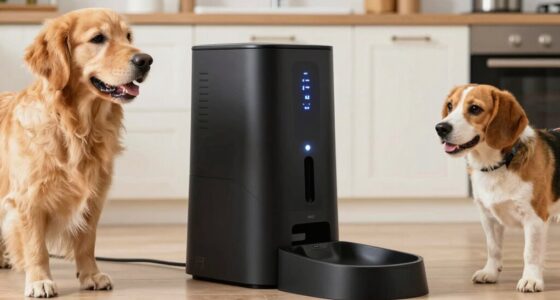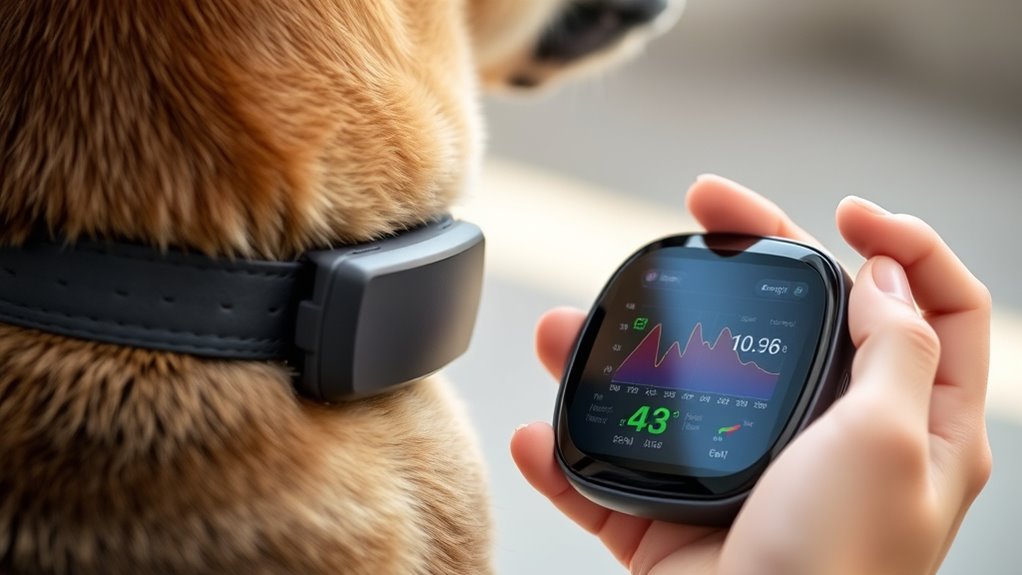

Using smart collars and activity monitors enhances your training by providing real-time feedback and personalized insights. These devices allow you to remotely correct behavior, making training more humane and efficient. They track activity, response times, and behavior patterns, helping you adjust methods for better results. This technology makes training more flexible, effective, and compassionate. To discover how to maximize these tools and transform your approach, keep exploring the possibilities.
Key Takeaways
- Smart collars and activity monitors provide real-time feedback to enhance training efficiency, precision, and personalization.
- Remote correction via technology reduces reliance on verbal or physical cues, promoting humane training methods.
- Devices collect data on activity, responses, and behavior to analyze trends and optimize training strategies.
- Monitoring individual progress helps tailor training plans, set realistic goals, and boost confidence in outcomes.
- Integrating technology makes training more flexible, adaptable, and aligned with modern, data-driven practices.
Have you ever wondered how technology is transforming the way we learn and train? It’s no longer just about traditional methods; now, smart collars and activity monitors are revolutionizing training by providing real-time feedback and insights. These devices make training more efficient, precise, and tailored to individual needs, whether you’re working with animals or athletes. One of the key advantages is remote correction. Instead of relying solely on verbal commands or physical cues, these smart devices enable you to send immediate, gentle corrections remotely. For example, if a dog begins to drift off-course during training, a smart collar can deliver a subtle correction, helping the animal stay focused without the need for constant supervision. This instant communication enhances learning speed and reduces frustration for both trainer and trainee, making the process more effective and humane. Additionally, high refresh rates in some activity monitors ensure more accurate tracking of rapid movements, providing better data for analysis.
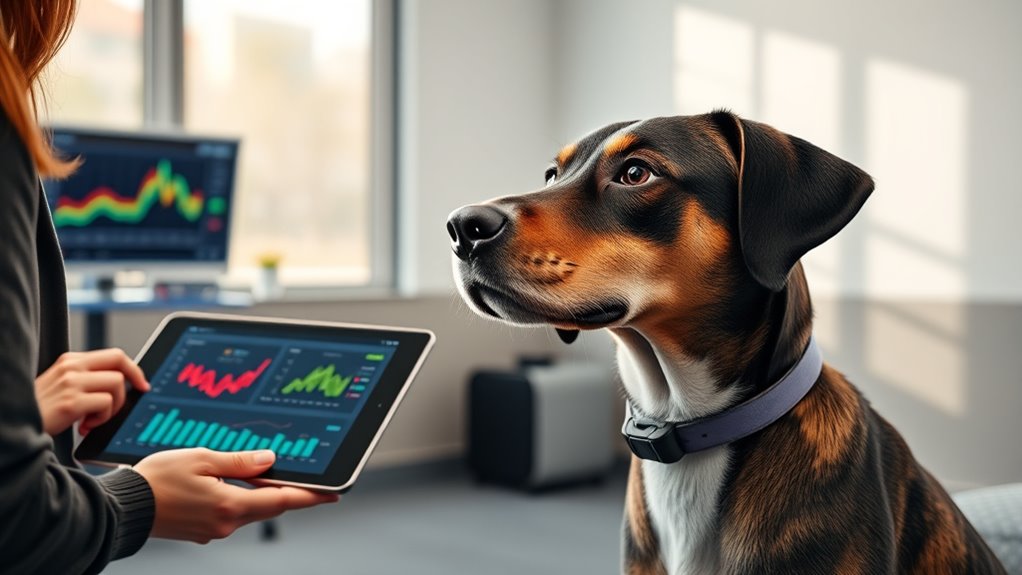
Data analysis plays a vital role in maximizing the benefits of these devices. As you use activity monitors and collars over time, they gather a wealth of data—such as activity levels, response times, and behavioral patterns. This data allows you to analyze trends and identify areas that need improvement. You can see exactly how your training methods impact performance and make adjustments accordingly. For example, if data shows a particular activity causes stress or fatigue, you can modify the approach or schedule to optimize results. This level of insight wasn’t possible with traditional training tools, but now, data analysis helps you develop evidence-based strategies that are more personalized and effective.
Moreover, these technologies foster a deeper understanding of the individual’s needs and responses. Instead of relying on guesswork, you can track progress objectively, setting realistic goals based on concrete data. This not only boosts confidence in your training program but also encourages consistency and patience. As you interpret data trends, you learn what works best and can fine-tune your approach in real time. The ability to remotely correct behaviors and analyze outcomes makes training more flexible, adaptable, and less intrusive. Whether you’re managing a training program for pets, athletes, or even employees, integrating smart collars and activity monitors enables you to deliver smarter, data-driven training that’s more effective and compassionate. It’s a game-changer that puts technology at the forefront of modern training practices, transforming the way you teach, learn, and improve performance.

Jugbow Dog Shock Collar – 4500FT Dog Training Collar with Remote, IPX8 Waterproof Electric Dog Collar with 4 Training Modes, Security Lock, Rechargeable eCollar for 10-120lbs Small Medium Large Dogs
[4 Effective Training Mode – Recall & Correct Unwanted Dog Behavior] Featuring advanced Safe-Tech with 4 modes: Beep(1-8),…
As an affiliate, we earn on qualifying purchases.
As an affiliate, we earn on qualifying purchases.
Frequently Asked Questions
How Accurate Are Activity Monitors in Tracking Specific Behaviors?
Activity monitors are generally quite accurate in behavior detection, but their sensor accuracy can vary depending on the device. You might notice they excel at tracking basic activities like walking or resting, but can sometimes struggle with more specific behaviors or subtle movements. To guarantee reliable results, choose a monitor with proven sensor accuracy and regularly calibrate it. Keep in mind that no device is perfect, so use it alongside your observations.
Can Smart Collars Be Customized for Different Training Goals?
Back in the day, trainers relied solely on intuition, but now, smart collars let you customize for your dog’s unique needs. You can tailor settings to match your training goals, whether it’s obedience, agility, or behavioral correction. With personalization options, you directly influence how the collar responds, making training more effective and personalized. This technology empowers you to fine-tune your approach and see better results faster.
What Is the Battery Life of Most Activity Monitors and Smart Collars?
Most activity monitors and smart collars offer a battery longevity of several days to a week, depending on usage and features. You can optimize power management by turning off unnecessary functions and adjusting settings, which helps prolong battery life. Regular charging is essential to keep your device running smoothly. By managing power wisely, you ensure your smart collar or activity monitor stays functional during training sessions and daily activities.
Are There Any Privacy Concerns With Using Gps-Enabled Collars?
Yes, GPS-enabled collars raise privacy concerns. You should consider data security and ethical considerations, as these devices track your pet’s location constantly. Guarantee the collar’s data is encrypted and stored securely to prevent unauthorized access. Be transparent with others about how you use the device, and respect your pet’s privacy. Balancing the benefits of tracking with responsible data management helps you address privacy issues effectively.
How Do Technology-Based Training Tools Compare to Traditional Methods?
Technology-based training tools often enhance behavior modification and improve training consistency compared to traditional methods. You get real-time data and instant feedback, making it easier to identify issues and adjust your approach quickly. While traditional training relies on face-to-face interactions, these tools offer precise insights and consistent reinforcement. Ultimately, they complement your efforts, helping you achieve faster, more reliable results in your pet’s training journey.

Kasa 1080p Indoor Pan/Tilt Wired Security Camera – Works as a Baby & Pet Monitor, Motion Detection & Tracking, 2-Way Audio, Night Vision, Subscription-Free Local Storage or Optional Cloud, EC70
Live Stream from Anywhere with Pan/Tilt: Sharp and clear 1080p Full HD provides high quality video right in…
As an affiliate, we earn on qualifying purchases.
As an affiliate, we earn on qualifying purchases.
Conclusion
By embracing smart collars and activity monitors, you enhance your training, track your progress, and strengthen your bond. These devices empower you to observe, adjust, and improve your approach with confidence. They motivate you to stay consistent, analyze your results, and celebrate your successes. With technology by your side, you can train smarter, grow stronger, and achieve your goals faster. Embrace innovation, embrace progress, and watch your training transform before your eyes.

Tractive Smart Dog GPS Tracker | Live Pet Tracker with Virtual Fence | Vital Signs Monitoring of Heart & Respiratory Rate | Bark Monitoring | Dog Collar Attachment (Black)
REAL-TIME GPS TRACKING WITH UNLIMITED RANGE: Track your dog with live location updates every 2–3 seconds. Unlike others…
As an affiliate, we earn on qualifying purchases.
As an affiliate, we earn on qualifying purchases.

Advances in Sensors, Big Data and Machine Learning in Intelligent Animal Farming
As an affiliate, we earn on qualifying purchases.
As an affiliate, we earn on qualifying purchases.