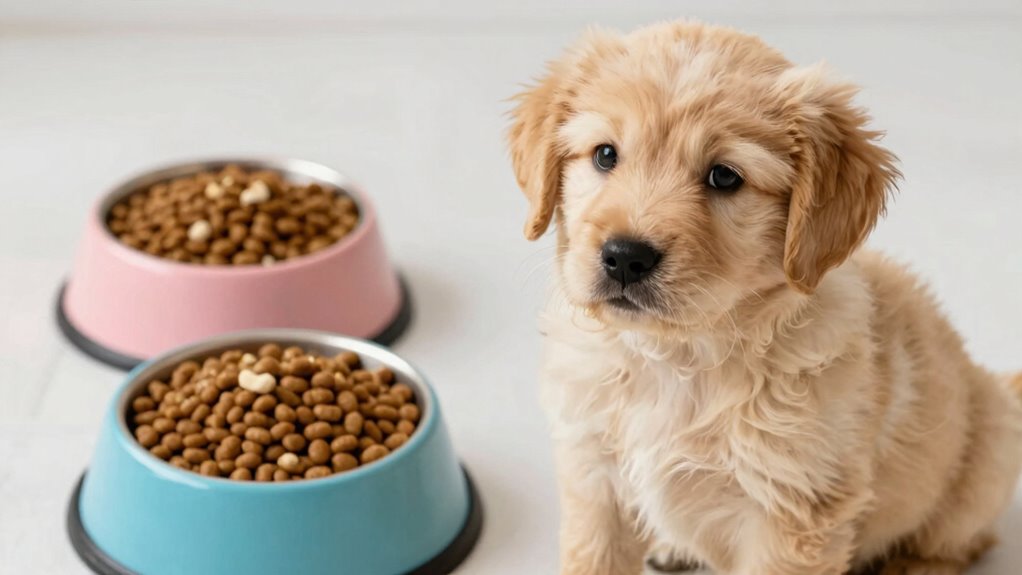

To switch your puppy’s food smoothly, start by mixing 25% new food with the current one and watch for any signs of upset. Gradually increase the new food over several days while keeping a consistent feeding schedule and ensuring plenty of fresh water. Monitor for symptoms like vomiting or diarrhea, and respond quickly if they occur. Patience is key, and seeking veterinary advice can make the process easier—there’s more to learn for a stress-free changeover.

Get pet supplies delivered free with Prime
- Fast, free delivery on millions of items
- Prime Video, Amazon Music and more included
- Member-only deals all year
Key Takeaways
- Gradually mix new food with current food, increasing the proportion slowly over days.
- Maintain a consistent feeding schedule to support digestion and routine stability.
- Monitor your puppy for signs of stomach upset and adjust the transition if needed.
- Ensure fresh water is always available to keep your puppy properly hydrated.
- Be patient and consult a veterinarian if your puppy shows persistent discomfort or reactions.
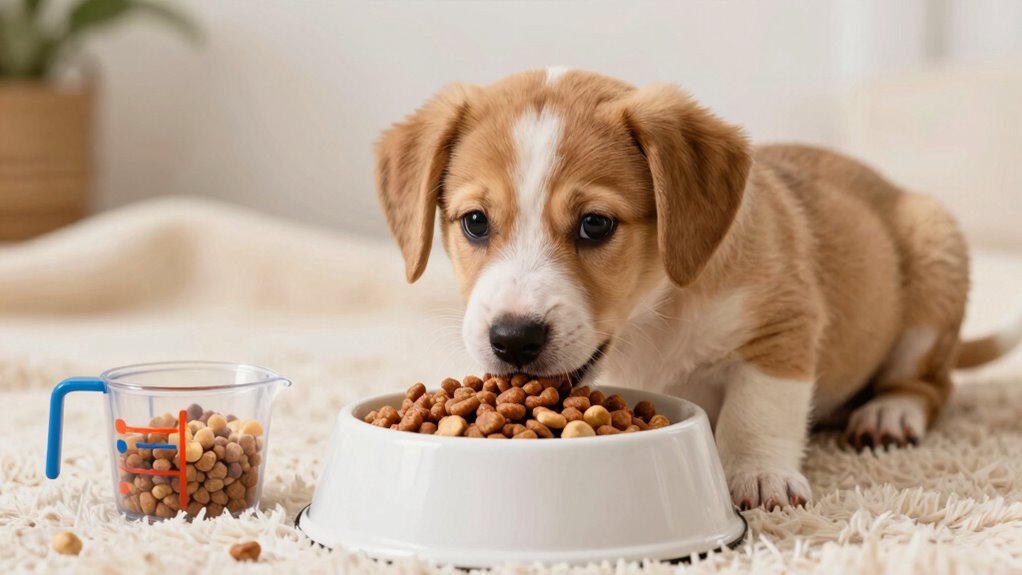
Changing your puppy’s food can be tricky, especially if you want to avoid stomach upset. Puppies have sensitive digestion, and abrupt changes can lead to diarrhea, vomiting, or constipation. To make the switch smoother, you need to pay close attention to their puppy digestion during the process. One of the key factors is adjusting their feeding schedule gradually. Instead of suddenly replacing their current food with a new one, you should introduce the new diet slowly over several days. This helps their digestive system adapt without causing discomfort.
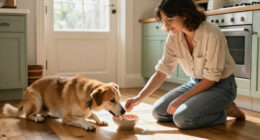
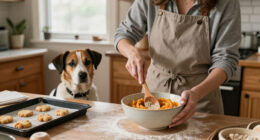
Start by mixing a small amount of the new food into the current one—about 25%—and give it to your puppy during their regular feeding times. Observe how they respond. If they seem comfortable and their stool remains firm, slowly increase the proportion of the new food over the next few days. For example, after the first couple of days, switch to a 50/50 mix. Continue this process gradually until they’re eating only the new food. This step-by-step approach minimizes sudden changes that could disrupt their puppy digestion.
Timing is also important. Stick to a consistent feeding schedule during this shift. Puppies thrive on routine, and maintaining their regular feeding times helps regulate their digestion and reduces stress. Avoid feeding them irregularly or giving too many treats or table scraps, which can complicate their digestion and make the transition harder. Consistency keeps their system balanced and makes it easier to identify if any issues arise during the switch. Additionally, understanding digestive sensitivities in puppies can help you anticipate potential reactions and respond appropriately. Being aware of common symptoms of stomach upset can also help you react quickly if problems occur. Recognizing early signs of discomfort allows you to intervene promptly and prevent further issues.
Being aware of the importance of gradual transition can help prevent digestive upset and ensure a smoother changeover. It’s also helpful to know that proper hydration plays a crucial role in maintaining your puppy’s digestive health throughout this process. Pay attention to your puppy’s response. Watch for signs of stomach upset, like vomiting, diarrhea, or lethargy. If these symptoms occur, slow down or pause the transition and consult your veterinarian. Sometimes, puppies have sensitivities or allergies that require special attention when changing foods. Be patient—the process can take a week or even more depending on your puppy’s age and health.
puppy food transition slow feeder
As an affiliate, we earn on qualifying purchases.
As an affiliate, we earn on qualifying purchases.
Frequently Asked Questions
How Long Should the Transition Period Last?
You should typically allow 7 to 10 days for the changeover period. During this time, gradually mix the new food with your puppy’s current diet, increasing the new portion slowly. This helps maintain nutritional balance and gives your puppy’s digestive system time to adapt. Pay attention to ingredient sourcing, ensuring the new food meets quality standards. If you notice any stomach upset, extend the changeover period and consult your vet.
Can I Mix Different Puppy Foods During the Switch?
Yes, you can mix different puppy foods during the switch to maintain diet consistency and ease ingredient sensitivity. Start by blending a small amount of the new food with the current one, gradually increasing the new food over a week. This helps your puppy adjust smoothly without upsetting their stomach. Keep an eye on their response, and consult your vet if you notice any signs of discomfort or allergies.
What Are Signs of a Stomach Upset?
Imagine your puppy’s digestive health teetering like a fragile balance beam. Signs of a stomach upset include vomiting, diarrhea, loss of appetite, and excessive gas, indicating ingredient sensitivity or digestive distress. You might notice your pup feeling lethargic or uncomfortable, clutching their belly. These symptoms signal that their stomach isn’t tolerating the new food well, and you should consult your vet to prevent further discomfort or nutritional issues.
Should I Change Food Based on Puppy Age?
Yes, you should change your puppy’s food based on their age to guarantee proper puppy nutrition. As your puppy grows, their dietary needs evolve, requiring different formulas or nutrient levels. Adjust their feeding schedule accordingly to match their development stages. When changing foods, do it gradually over a week, mixing new and old food, to prevent stomach upset and support their digestive health.
Are Certain Ingredients More Likely to Cause Upset?
Did you know that ingredient sensitivities affect up to 10% of puppies? Certain ingredients, like beef, dairy, and wheat, are more likely to cause upset because they’re common allergens. When changing foods, pay close attention to these ingredients, especially if your pup shows signs of sensitivity. Choosing limited-ingredient diets can help minimize the risk of upset, ensuring a smoother shift and a happier, healthier puppy.
Conclusion
Switching your puppy’s food gradually helps prevent stomach upset and keeps them happy. Remember, start by mixing small amounts of the new food with the old, gradually increasing the new over a week. Did you know that puppies are 60% more likely to experience digestive issues if their diet changes abruptly? By following these steps, you facilitate a smooth shift and a healthier, happier pup. Your careful approach makes all the difference!
Evergreen bestsellers Picks
bestsellers
As an affiliate, we earn on qualifying purchases.