
Even with changing shifts, you can build predictable routines for your dog by sticking to consistent cues for meal times, walks, and play. Use visual schedules or alarms to signal activities, and create calming, familiar environments at home. Incorporate positive social interactions during your downtime and reinforce good behavior with praise and treats. Maintaining a stable, soothing space helps your dog feel secure despite schedule changes. Keep exploring ways to support your dog’s emotional well-being and stability.
Key Takeaways
- Use visual schedules or alarms to signal meal and walk times, creating consistency despite changing work hours.
- Establish predictable routines with familiar cues to help dogs feel secure amid schedule variability.
- Arrange short, frequent social interactions and positive experiences with trusted people or pets.
- Create a calm, stable environment with familiar sounds, objects, and designated relaxation spaces.
- Dedicate quality time when home to reinforce training, socialization, and emotional stability.
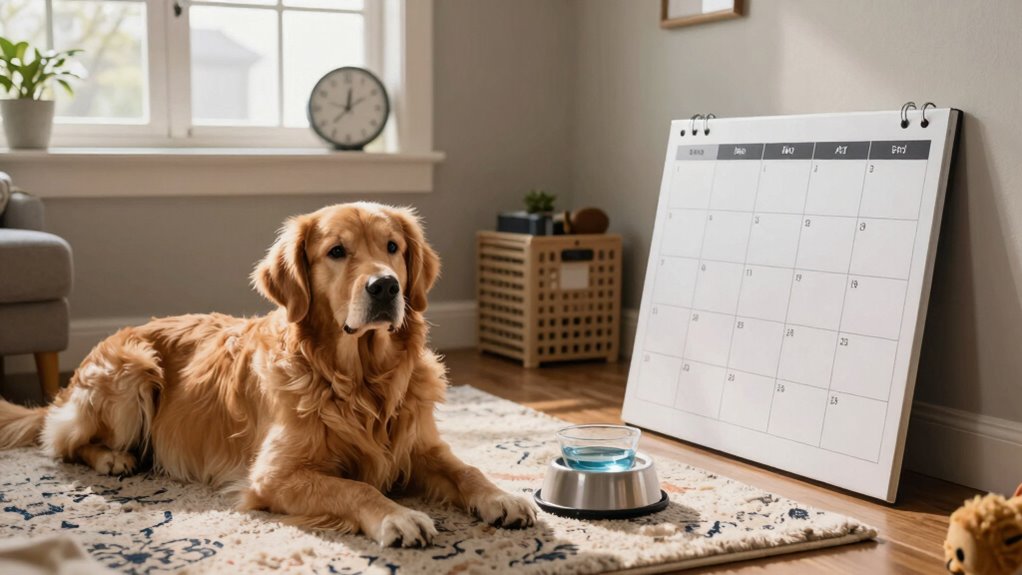
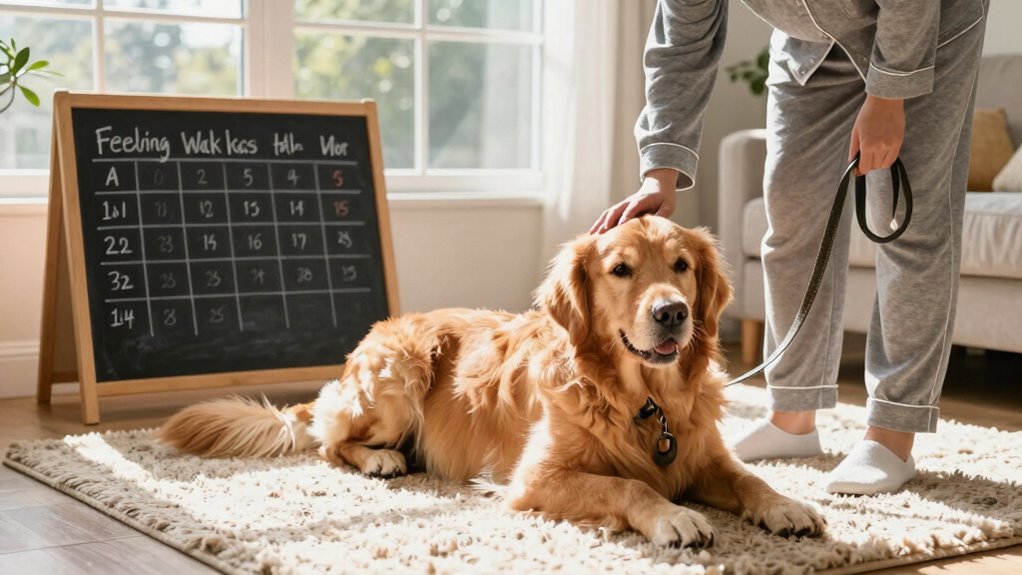
Ever wondered how to care for a dog when your work schedule keeps changing? It can seem overwhelming to provide the consistency your dog needs, especially when your shifts vary. The key is understanding that, although your schedule isn’t fixed, you can still create predictable routines that help your dog feel secure. Training challenges are common in this situation, but with patience and strategic planning, you can overcome them. Consistent commands, meal times, and play sessions, even if they occur at different hours, give your dog cues about what to expect. Using visual schedules or a reliable alarm system can signal to your dog when it’s time for walks or meals, reducing anxiety caused by unpredictable work hours.
Create predictable routines with consistent commands, meal times, and visual cues to help your dog feel secure amid changing schedules.
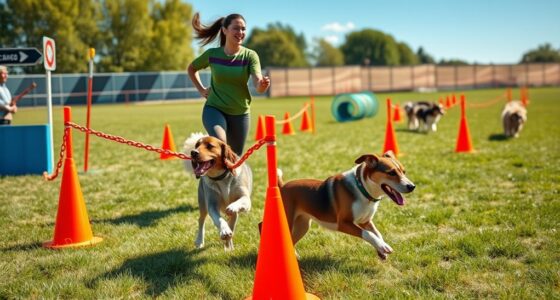
Socialization strategies become even more essential when your schedule fluctuates. Dogs learn how to interact with other animals and people through regular, positive exposure. If your work hours prevent you from taking your dog to a dog park or social outings consistently, consider arranging playdates with trusted friends or neighbors. Short, frequent social interactions can help your dog build confidence and adaptability. If you’re often away during peak social times, you can also use interactive toys or puzzle feeders to keep your dog engaged and stimulated, which lessens feelings of loneliness and prevents behavioral issues. Incorporating positive reinforcement techniques into your training can further enhance your dog’s adaptability to changing routines. Establishing a consistent routine can also help your dog better anticipate daily activities, even with irregular hours. Additionally, maintaining a calm environment at home can help alleviate any stress or confusion your dog might experience during your absence. Creating a predictable environment with familiar sounds and objects can further support your dog’s emotional stability.
It’s important to maintain a calm, routine environment at home, regardless of your changing hours. When you’re home, dedicate focused time to training and socialization, reinforcing positive behaviors with treats and praise. This consistency helps your dog understand that, no matter the schedule, they’re loved and cared for. Creating a stable environment, even amidst schedule changes, is crucial for a dog’s emotional well-being. Establishing a designated space for your dog to relax can provide a sense of stability and a predictable retreat, especially when your schedule is unpredictable. This safe zone becomes their retreat, especially when you’re unavailable or busy. Incorporating small wood stoves into your home can also create a warm, cozy environment that promotes relaxation and comfort for both you and your dog, especially during colder months. Creating a stable environment, even amidst schedule changes, is crucial for a dog’s emotional well-being.
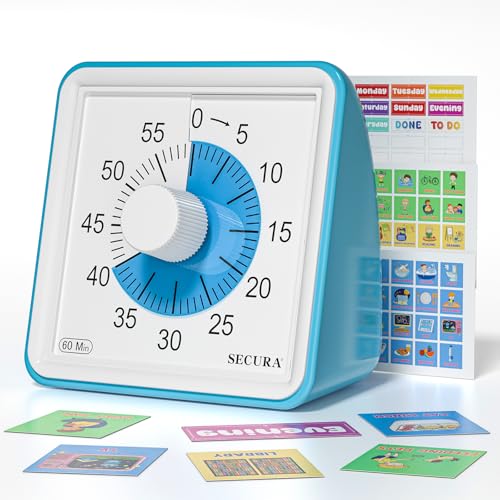
Secura 60-Minute Visual Timer, with Schedule Tasks for Kids with ADHD & Autism, Daily Routine Checklist Visual Schedule, Time Management Tool for Classroom & Home(82 Cards)
MAKE TIME VISIBLE: Secura 60-minute visual timer helps kids see time passing, making it easier to stay focused,…
As an affiliate, we earn on qualifying purchases.
As an affiliate, we earn on qualifying purchases.
Frequently Asked Questions
How Can I Train My Dog to Be Alone During Unpredictable Shifts?
To train your dog to be alone during unpredictable shifts, start with crate training to create a safe, comfortable space. Gradually increase your dog’s alone time, making departures brief and positive. This helps reduce separation anxiety. Always reward calm behavior and avoid making departures or arrivals overly exciting. Over time, your dog will learn to feel secure alone, even during unpredictable schedules, easing their anxiety and building independence.
What Are the Best Toys for Keeping My Dog Entertained Alone?
Did you know that dogs with access to engaging toys are 60% less likely to develop separation anxiety? For dog enrichment and toy safety, opt for durable puzzle toys or treat-dispensing ones that challenge your pup mentally. Avoid small parts that could be swallowed. These toys keep your dog entertained alone, reducing stress and boredom, while also ensuring safety during your unpredictable shifts.
How Do I Handle Emergencies When I Work Irregular Hours?
In emergencies during irregular hours, stay calm and act quickly. Keep an emergency preparedness kit ready with essentials like first aid supplies and your vet’s contact details. Always have a list of nearby 24-hour veterinary clinics saved on your phone. Knowing these contacts and having a plan in place helps you respond promptly, ensuring your dog gets the care they need without delay. Stay prepared and confident in handling unexpected situations.
Can I Use Technology to Monitor or Interact With My Dog Remotely?
Yes, you can use technology to monitor and interact with your dog remotely. Devices like pet cameras let you see, hear, and even talk to your dog, helping you stay connected. You can also use pet health tracking apps to monitor their activity, diet, and medication schedules. Some cameras offer virtual grooming features or alerts for unusual behavior, so you can guarantee your dog’s well-being even when you’re working irregular hours.
How Do I Ensure My Dog Stays Socially Engaged With Limited Time?
You can keep your dog socially engaged by incorporating daily dog exercise and utilizing socialization tips, even with limited time. Schedule short play sessions, walk your dog during breaks, or set up virtual playdates with other dogs. Use interactive toys or apps to stimulate their mind. Consistent, quality interactions help maintain your dog’s social skills and prevent loneliness, ensuring they stay happy and well-adjusted despite your busy schedule.
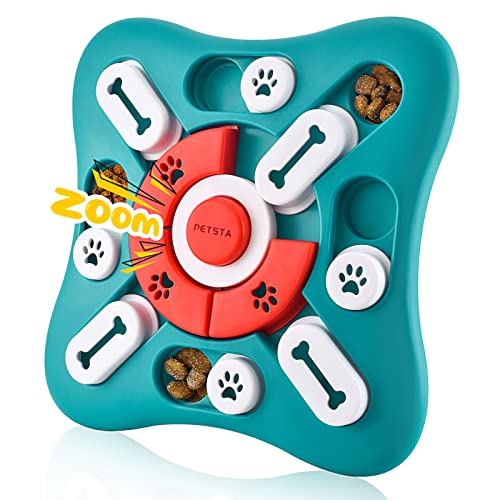
PETSTA Dog Puzzle Toys, Treat Dispensing Dog Enrichment Toys for IQ Training and Brain Stimulation, Interactive Mentally Stimulating Toys as Gifts for Puppies, Cats, Dogs
【PRODUCT SIZE】10 inch*10 inch*1.3 inch.
As an affiliate, we earn on qualifying purchases.
As an affiliate, we earn on qualifying purchases.
Conclusion
Even if your schedule keeps changing, you can still build a predictable routine for your dog. Consistency in feeding, walks, and playtime helps your pup feel secure, no matter when you’re home. Some might think shift work makes this impossible, but with a little planning, you can create a stable environment. Remember, your commitment to your dog’s needs keeps their world steady—so don’t let unpredictable hours stop you from giving them the care they deserve.

NaturVet Quiet Moments Herbal Calming Room Spray Dog Supplement – Ideal for Cars, Dog Crates, New Environments – Helps Reduce Pet Stress, Storm Anxiety, Motion Sickness – 8 Oz.
HIGH-QUALITY ANXIETY SUPPLEMENT SPRAY FOR DOGS: Bring your pets the calm they need during separation, storms, grooming or…
As an affiliate, we earn on qualifying purchases.
As an affiliate, we earn on qualifying purchases.
PETSTA Dog Puzzle Toys, Treat Dispensing Dog Enrichment Toys for IQ Training and Brain Stimulation, Interactive Mentally Stimulating Toys as Gifts for Puppies, Cats, Dogs
【PRODUCT SIZE】10 inch*10 inch*1.3 inch.
As an affiliate, we earn on qualifying purchases.
As an affiliate, we earn on qualifying purchases.