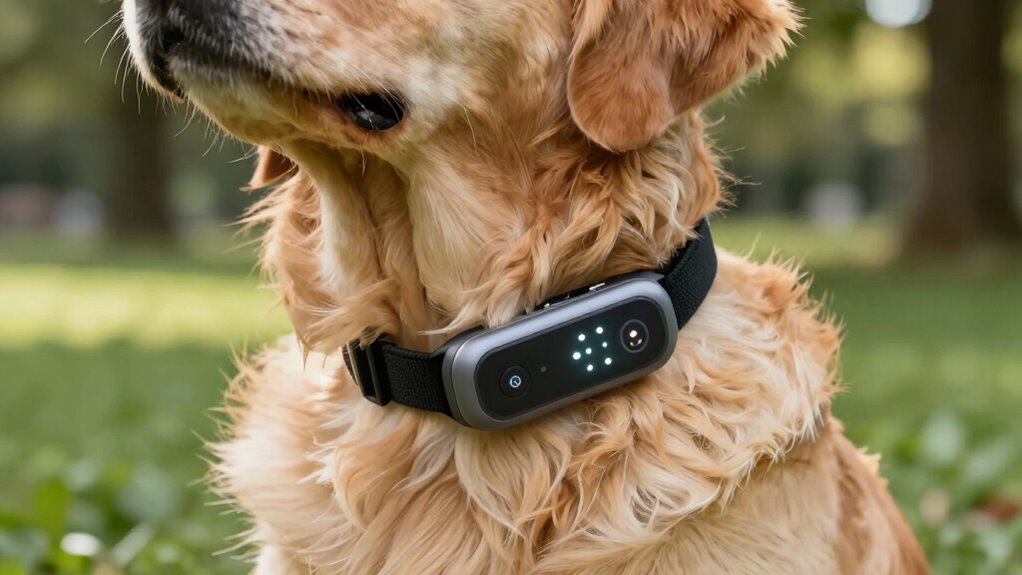

Activity trackers for dogs can be a helpful tool to monitor their health, habits, and activity levels, providing useful insights. They can alert you to early signs of health issues and help you tailor your dog’s exercise routine. However, there’s a risk of data overload or unnecessary worry if you become overly dependent on technology. If you keep an open mind and use these devices wisely, you’ll find they support your pet’s well-being without taking over your intuition.

Get pet supplies delivered free — and shop member deals
- Fast, free delivery on millions of items
- Access to Prime Big Deal Days deals on October 6–7
- Prime Video, Amazon Music and more included
Key Takeaways
- Activity trackers provide valuable insights into a dog’s health and behavior, aiding early detection of potential issues.
- They can enhance pet care when used as a supplement to personal observation, not a replacement.
- Over-reliance may cause unnecessary worry or anxiety for owners overwhelmed by data.
- Compatibility depends on an owner’s lifestyle; active owners may benefit more from data-driven routines.
- Proper, balanced use helps improve a dog’s well-being without leading to data overload or neglecting instinctive care.

If you’re looking for a way to guarantee your dog stays healthy and active, activity trackers can be a great tool. These devices have gained popularity in recent years because they promise to give you detailed insights into your dog’s daily routines, making it easier to monitor their well-being. With the integration of advanced technology, these trackers can record everything from steps taken and calories burned to sleep patterns and activity levels. For dog owners concerned about their pet’s health, this technology provides a convenient way to keep tabs on their dog’s physical activity, ensuring they’re getting enough exercise and rest. By understanding your dog’s behavior patterns, you can spot early signs of health issues or changes in routine that may need attention.
However, as helpful as these devices can be, it’s worth weighing whether they’re truly necessary or just adding unnecessary data. While technology integration makes tracking more accurate and accessible, it also raises questions about how much information is enough. Some pet owners get caught up in obsessively checking every detail, which can lead to anxiety rather than reassurance. It’s important to remember that activity trackers are tools to support your dog’s health, not replacements for regular veterinary check-ups or instinctive care. They can give you valuable data, but they shouldn’t overshadow your role as the primary observer of your pet’s overall well-being.
Another factor to evaluate is how these trackers fit into your lifestyle. If you’re already active and attentive to your dog’s needs, the additional data might reinforce good habits. On the other hand, if you’re easily overwhelmed by technology, it might add stress rather than clarity. The key is to find a balance—use the data as a helpful guide, but don’t let it dictate every decision. Some trackers even sync with apps that help analyze trends over time, making it easier to spot shifts in your dog’s health and activity. This kind of technology integration can make the data more actionable, helping you tailor your dog’s exercise routine or alerting you to potential health concerns early on. Understanding the role of technology in pet care can help you make informed decisions about adopting new gadgets. Additionally, it’s useful to consider how data overload might impact your perception of your pet’s health. Too much information can sometimes lead to unnecessary worry or misinterpretation of normal variations in activity levels.
It’s also helpful to remember that no device can replace your gut instinct and personal knowledge of your pet’s unique needs. Ultimately, whether activity trackers are a useful trend or just extra data overload depends on how you use them. They can enhance your understanding of your dog’s health, but only if you stay grounded and don’t become overly reliant on the numbers. When used thoughtfully, these devices can be an excellent addition to your pet care toolkit—offering insights that support a healthier, more active life for your furry friend.
As an affiliate, we earn on qualifying purchases.
Frequently Asked Questions
How Do Activity Trackers Affect a Dog’s Daily Routine?
Activity trackers influence your dog’s daily routine by enabling behavior monitoring and encouraging owner engagement. You can track their activity levels, sleep patterns, and overall health, which helps you adjust walks and playtime accordingly. This increased awareness fosters a better understanding of your dog’s needs, promoting healthier habits. However, it’s essential to balance tech use with quality interaction, ensuring the device enhances your routine without causing unnecessary stress or data overload.
Are Activity Trackers Suitable for All Dog Breeds and Sizes?
Activity trackers aren’t one-size-fits-all; they’re like a tailored suit for your dog’s needs. Breed compatibility and size considerations matter, as smaller breeds may find certain trackers uncomfortable, while larger breeds might wear them like a badge of honor. Before choosing, assess your dog’s size and activity level to guarantee the tracker fits comfortably and offers meaningful insights, helping you keep your pup healthy and happy.
Can Activity Trackers Replace Regular Veterinarian Check-Ups?
No, activity trackers can’t replace regular veterinarian check-ups. They help with health monitoring and behavior analysis, giving you early signs of issues, but they don’t replace professional exams. Vets assess overall health, perform diagnostic tests, and provide personalized care. Use activity trackers as a helpful tool for ongoing insights, but always follow up with your vet for thorough health evaluations and any concerns about your dog’s wellbeing.
What Is the Cost Difference Between Basic and Advanced Trackers?
Think of basic trackers as a reliable bicycle—it gets you where you need, but advanced trackers are like a sleek motorcycle, offering more features. The cost comparison shows basic models often start around $30 to $50, while advanced trackers with GPS, health monitoring, and app integrations can range from $80 to over $200. Pricing tiers vary based on features, so you choose what fits your budget and your dog’s needs.
How Accurate Are the Activity Data Collected by These Devices?
The activity data from dog trackers is generally quite accurate, but it varies by device quality. You should consider data privacy, ensuring your dog’s info stays protected, and device durability, especially if your dog is active or rough on gear. Higher-end trackers tend to offer better accuracy and robust build, giving you reliable insights without risking data leaks or device breakage. Always choose a reputable brand to get the best balance of accuracy, privacy, and durability.
Conclusion
Activity trackers for dogs can be a helpful tool to keep an eye on your pup’s health and habits, much like a loyal sidekick. However, they’re not a magic wand—overloading on data might leave you more confused than enlightened. Think of these devices as a map, not the destination. Use them wisely to support your dog’s well-being, but remember, sometimes the best insights come from simply watching and loving your furry friend.
Fall Picks
fall essentials
As an affiliate, we earn on qualifying purchases.