
Many owners miss early signs of arthritis in their dogs because they mistake them for normal aging or temporary discomfort. Look for subtle changes like reluctance to jump, hesitation with stairs, or favoring one leg. You might notice stiffness after rest or a slight shuffle in their walk. These small signs often go unnoticed but catching them early can make a big difference. Keep watching for these clues to help your dog stay comfortable longer.
Key Takeaways
- Owners often overlook subtle gait changes like shuffling or stiffness after rest as early arthritis signs.
- Behavioral shifts such as increased irritability or reluctance to be touched near joints are frequently missed.
- Slight reluctance to jump or climb stairs can be mistaken for normal aging or laziness.
- Decreased activity levels or interest in play may indicate discomfort but are often dismissed.
- Early signs like difficulty rising or subtle limping are easy to overlook without close observation.

Arthritis in dogs often develops gradually, making early signs easy to overlook. As a dog owner, you might not notice the subtle changes that indicate joint inflammation, especially if your pet is still moving around relatively normally. However, paying attention to these early indicators can make a significant difference in managing your dog’s comfort and overall health. One of the first signs you might miss involves slight changes in your dog’s mobility. For example, your dog may be less eager to jump onto furniture or may hesitate to climb stairs. These are often dismissed as normal aging or temporary reluctance, but they could signal the onset of joint inflammation.
Early signs of arthritis include subtle mobility changes like reluctance to jump or climb stairs.
You might also observe your dog favoring one limb over another, especially after activity. This subtle limping or reluctance to use a certain leg can easily be mistaken for a minor injury or muscle strain. But if it persists or worsens, it’s important to consider joint inflammation as a potential cause. Your dog may also be less inclined to play or engage in usual activities, preferring to rest more than usual. This decrease in activity isn’t always obvious at first, but if you notice your once energetic pet becoming more sedentary, it could be a sign of discomfort related to arthritis. Recognizing these early signs can help prevent further joint deterioration through early intervention.
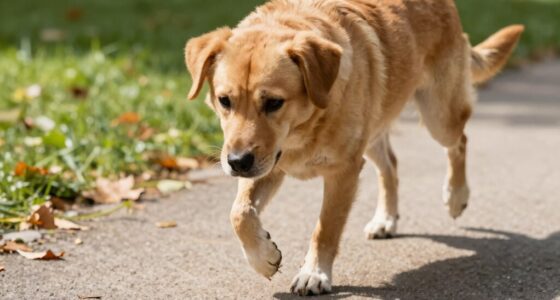
Another early sign to watch for is changes in your dog’s gait. You might see a slight shuffle or stiffness when walking, especially after waking up or after periods of rest. These movements might not seem unusual at first, but they often indicate pain or stiffness from joint inflammation. You may also notice that your dog is more hesitant to get up from a lying position or seems to struggle when rising from a seated posture. Such movements, though seemingly minor, can be early signs of arthritis that, if left unaddressed, will worsen over time. Being aware of joint health can help you take proactive steps to support your dog’s mobility as they age. Additionally, a regular veterinary checkup can help identify these signs early and enable timely intervention.
Behavioral changes can also hint at underlying joint issues. Your dog might become more irritable or less tolerant of touch around the joints. They may avoid being petted in certain areas or show signs of discomfort when they’re touched near their hips or knees. These signs can be easily missed, especially if your dog is good at hiding pain. Recognizing these subtle behavioral cues allows you to seek veterinary advice sooner, leading to better management of joint inflammation and improved quality of life for your furry friend. Additionally, understanding the early signs of arthritis can help you implement preventative measures that promote healthier joints as your dog ages. Being proactive about joint care and monitoring for these early symptoms can make a meaningful difference in your dog’s comfort and longevity.
As an affiliate, we earn on qualifying purchases.
Frequently Asked Questions
Can Arthritis in Dogs Be Reversed Completely?
Arthritis in dogs can’t be completely reversed, but you can manage it effectively. When you notice joint inflammation and pain, consult your vet for a tailored pain management plan. Treatments like medications, supplements, weight management, and gentle exercise can slow progression and improve your dog’s comfort. While you may not fully cure arthritis, proactive care helps your dog stay active and comfortable for years to come.
Are Certain Dog Breeds More Prone to Arthritis?
Think of some dog breeds as more vulnerable, like sitting ducks for arthritis. Breed predisposition and genetic factors play a big role, making certain breeds more prone to joint issues. Large breeds such as Labrador Retrievers and German Shepherds often face higher risks, while smaller breeds tend to be less affected. Recognizing these predispositions helps you stay vigilant and catch early signs, ensuring your furry friend stays comfortable longer.
How Early Can Arthritis Be Detected in Dogs?
You can often notice arthritis in dogs as early as 1 to 2 years old, especially if you observe signs like joint inflammation and subtle mobility issues. Early detection is vital, so keep an eye out for your dog limping, hesitating to jump, or showing stiffness after rest. Regular vet checkups can help identify these early signs before they worsen, ensuring your dog stays comfortable and active.
What Home Remedies Help Manage Canine Arthritis?
You can help manage your dog’s arthritis with natural supplements like glucosamine and chondroitin, which support joint health. Incorporate gentle exercise routines, such as short walks and swimming, to keep joints flexible without overstraining. Also, provide soft bedding and maintain a healthy weight. These home remedies can ease discomfort and improve your dog’s mobility, making a noticeable difference in their daily comfort and happiness.
Does Diet Impact the Development of Arthritis in Dogs?
Your dog’s diet can considerably impact arthritis development; it’s like a magic shield against inflammation. Proper nutrition, rich in omega-3 fatty acids and antioxidants, helps reduce inflammation and slow joint degeneration. Nutritional supplements like glucosamine and chondroitin also support joint health. By feeding a balanced diet tailored for joint support, you actively protect your furry friend’s mobility and happiness, making every wag of their tail a true celebration of good health.
Conclusion
Catching early signs of arthritis in your dog is like noticing the first cracks in a sturdy stone—small but important. By paying close attention to subtle changes in your dog’s movement or behavior, you can help prevent pain from worsening. Remember, early detection is key to keeping your furry friend happy and comfortable. Stay vigilant, and when in doubt, consult your vet—your dog’s health depends on it.