
Air purifiers with HEPA filters can greatly reduce airborne dog dander, making your indoor air healthier. They trap tiny particles as small as 0.3 microns and, when used consistently in high-traffic areas, can lower allergen levels. However, they won’t completely eliminate all dander. Combining air purifiers with regular grooming, cleaning, and good ventilation improves allergy relief even more. To discover helpful tips and realistic expectations, keep exploring this guide.

Get pet supplies delivered free with Prime
- Fast, free delivery on millions of items
- Prime Video, Amazon Music and more included
- Member-only deals all year
Key Takeaways
- HEPA filters effectively trap pet dander particles as small as 0.3 microns, reducing airborne allergens.
- Air purifiers lower allergen levels but cannot completely eliminate all dog dander.
- Proper placement and continuous operation during active times maximize air purifier benefits.
- Regular filter maintenance is crucial to sustain the purifier’s effectiveness.
- Combining air purifiers with grooming, cleaning, and pet-free zones enhances allergy management.

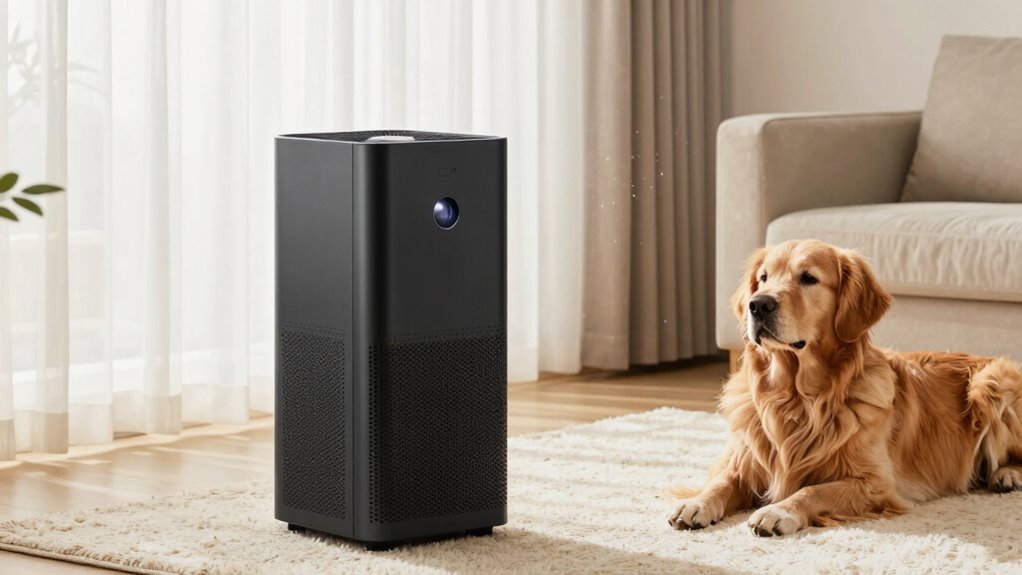
If you or someone in your household is allergic to dog dander, an air purifier can make a meaningful difference in indoor air quality. Dog dander—tiny skin flakes shed by your pet—can linger in the air and settle on surfaces, triggering allergy symptoms such as sneezing, itchy eyes, and congestion. A high-quality air purifier equipped with HEPA filters is your best defense against these allergens. HEPA filters are designed to trap particles as small as 0.3 microns, effectively capturing most airborne pet dander, dust, pollen, and other common allergens. When you turn on an air purifier with HEPA technology, you actively reduce the concentration of airborne dander, providing noticeable allergy relief over time.
While no air purifier can eliminate all pet dander, using one consistently can markedly improve your indoor environment. Placing the device in rooms where you spend the most time—like the living room or bedroom—maximizes its benefits. Keep in mind that the effectiveness depends on the purifier’s capacity for the size of the room; a unit rated for your space ensures better circulation and filtration. Running the purifier continuously, especially during peak activity times like after playtime or grooming, helps maintain lower allergen levels. Regularly changing or cleaning the HEPA filters is essential to keep the device functioning at peak performance. Neglecting filter maintenance means allergens can bypass filtration, reducing the purifier’s effectiveness and prolonging allergy symptoms.
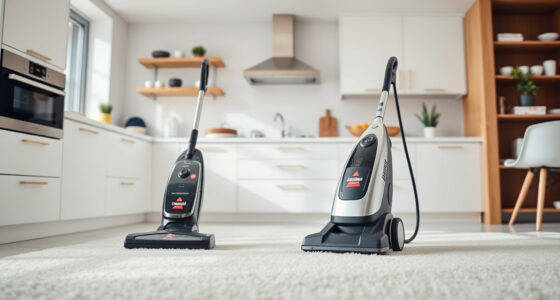
It’s also wise to combine an air purifier with other allergy management strategies. Groom your dog regularly to minimize dander shedding, and create pet-free zones in your home to restrict allergen spread. Vacuuming carpets and upholstery frequently with a vacuum equipped with a HEPA filter adds another layer of defense. Keep your home well-ventilated by opening windows when possible, and consider using a dehumidifier to reduce moisture that can amplify allergen presence. Understanding indoor air quality and how it impacts health can help you make more informed decisions about filtration and ventilation options. Additionally, awareness of allergen sources in your environment can help you target your cleaning and prevention efforts more effectively. Maintaining proper air circulation throughout your home further enhances the removal of airborne allergens. Incorporating air quality monitoring devices can also help you track and manage allergen levels more accurately. Regularly inspecting the environment for potential dust accumulation can prevent allergen buildup and improve overall air quality.
HEPA air purifier for pet dander
As an affiliate, we earn on qualifying purchases.
As an affiliate, we earn on qualifying purchases.
Frequently Asked Questions
Do Air Purifiers Eliminate All Dog Dander Completely?
No, air purifiers don’t eliminate all dog dander completely. They can considerably reduce airborne dog hair and dander particles, improving your indoor air quality. However, for best results, guarantee proper air circulation and regular cleaning, including vacuuming and washing surfaces. Keep in mind that some dander settles on surfaces and isn’t always captured by purifiers, so combining methods offers the most effective allergy relief.
How Often Should I Replace Filters for Optimal Dander Removal?
You should replace your air purifier filters every 3 to 6 months for maximum dander removal. The filter lifespan depends on usage, the air quality, and the manufacturer’s recommendations. Regular replacement guarantees your purifier functions efficiently, reducing dog dander effectively. Keep an eye on indicator lights if your device has them, and don’t wait too long—delayed replacement can decrease performance and air quality.
Can Air Purifiers Help With Dog Allergen Sensitivities?
Air purifiers can considerably help with dog allergen sensitivities when you maintain them properly. You might think they’re just a small fix, but visualize cleaner air circulating in your home, reducing pet allergens. Regular air purifier maintenance, like replacing filters on schedule, is key for pet allergy relief. By doing so, you create a healthier space, minimizing allergy symptoms and making your home more comfortable for you and your furry friend.
Are There Specific Brands Best Suited for Dog Dander?
When choosing air purifiers for dog dander, some brands stand out. Look for options like Dyson, Honeywell, or Blueair, which are known for effective filtration and good brand comparisons. Focus on models with HEPA filters, as they capture tiny allergens. Also, consider filter lifespan—longer-lasting filters save you money and maintenance time. Ultimately, selecting a purifier with high CADR ratings and reliable filters helps improve your indoor air quality.
Do Air Purifiers Also Reduce Pet Odors From Dogs?
Ever wonder if air purifiers can truly banish that persistent pet scent? Yes, they do help reduce pet odors, especially when equipped with activated carbon filters designed for odor control. These filters absorb and neutralize smells from dog dander, keeping your home fresher. While air purifiers excel at improving air quality, combining them with regular cleaning enhances odor removal, creating a more inviting space for both you and your furry friend.
Conclusion
While air purifiers won’t completely erase every trace of dog dander, they do a fantastic job at markedly reducing it. Think of them as your secret weapon against allergy attacks—turning your home into a sanctuary where even the most sensitive noses can breathe easy. Remember, no device is a miracle cure, but with consistent use, you’ll notice your allergies lessening faster than you can say “sniffle-free.” Breathe deeply and enjoy your time with your furry friend!
Columbus Day / Indigenous Peoples' Day Picks
long weekend sales
As an affiliate, we earn on qualifying purchases.