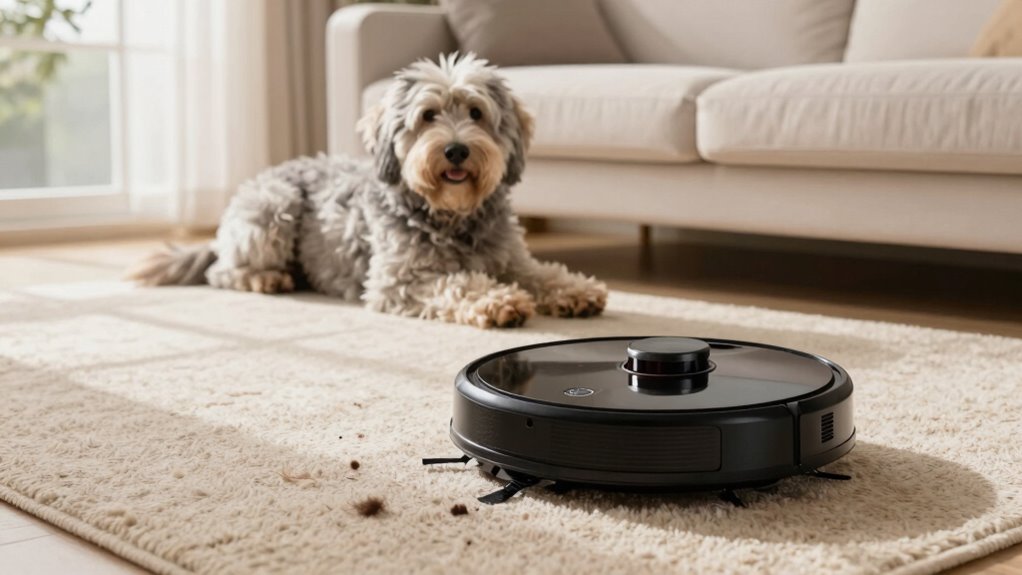

If you have high-shedding breeds, like Labrador Retrievers or Huskies, you should set realistic expectations for robot vacuums. They can help with daily maintenance by picking up loose fur and reducing allergens, but they won’t fully eliminate shedding or allergens. Regular grooming and thorough cleaning are still necessary. To effectively manage fur and allergens, combining these practices with a good vacuum routine is key. Keep going to discover how to optimize your fur management strategies.

Get pet supplies delivered free with Prime
- Fast, free delivery on millions of items
- Prime Video, Amazon Music and more included
- Member-only deals all year
Key Takeaways
- Robot vacuums effectively assist with daily fur cleanup but do not fully eliminate shedding from high-shedding breeds.
- Regular grooming and brushing are essential to reduce loose hair before vacuuming.
- No vacuum can completely remove all pet dander and shed fur, especially in high-shedding breeds.
- Combining grooming, cleaning routines, and robot vacuums creates a more manageable shedding environment.
- Understanding breed-specific shedding patterns helps set realistic expectations for vacuum effectiveness.
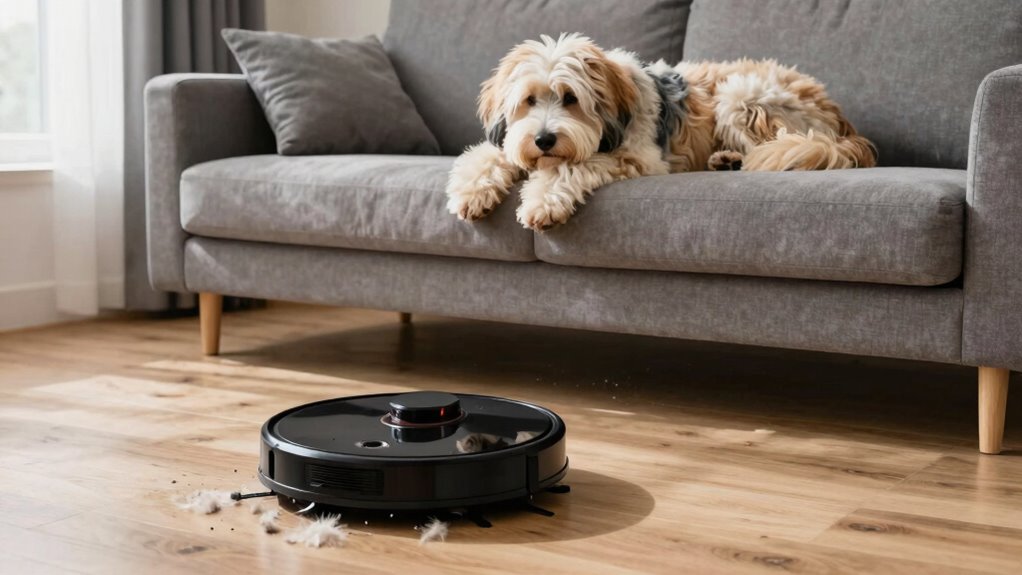
Have you ever wondered why some dog breeds seem to leave fur everywhere, no matter how often you clean? It’s mainly because high-shedding breeds naturally produce more hair, which they shed regularly to maintain healthy coats. If you’re dealing with a breed like a Labrador Retriever or a Siberian Husky, you’ll quickly notice fur on your furniture, clothes, and floors. While robot vacuums can help manage this, understanding what to expect is key to setting realistic goals. No vacuum, no matter how advanced, can eliminate all shedding, but regular maintenance can keep your home cleaner.
High-shedding breeds naturally produce more hair, making regular cleaning and grooming essential for a fur-free home.
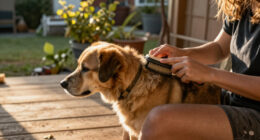
When it comes to grooming tips, the goal isn’t just to keep your dog looking good but also to reduce the amount of fur that ends up all over your house. Regular brushing is essential, especially for high-shedding breeds. Using the right tools, like grooming gloves or deshedding brushes, helps remove loose hair before it falls off naturally. This minimizes the volume that your robot vacuum needs to pick up and reduces the chances of fur clogging the vacuum’s filters. Plus, consistent grooming keeps your dog comfortable and healthy, preventing mats and skin issues. Additionally, understanding the shedding process can help you better manage your expectations and grooming routine. Learning about the hair growth cycle can also provide insights into the best grooming schedule and practices for your pet. Recognizing the seasonal shedding patterns can further help you prepare and adapt your routines accordingly. Being aware of the environmental factors that influence shedding can also help you create an optimal home environment for your pet and reduce fur dispersal.
However, if allergy considerations are part of your concern, grooming becomes even more vital. People with allergies often react to pet dander, which is tiny flecks of skin and hair shed into the environment. Regular baths and brushing can considerably cut down on allergen levels, making your home more comfortable for everyone. It’s also wise to invest in a HEPA-filter-equipped robot vacuum, as these are designed to trap microscopic particles like pet dander and fur. Still, it’s important to keep in mind that no vacuum can completely eliminate allergens, especially in high-shedding breeds.
Managing expectations is essential when using robot vacuums around high-shedding dogs. They’re excellent for daily maintenance but won’t replace the need for regular, thorough cleaning or grooming. Think of the vacuum as a helpful assistant rather than the entire solution. Combining consistent grooming, allergy considerations, and a good-quality robot vacuum creates a more manageable environment. Ultimately, while you can’t fully stop shedding, you can keep fur and allergens at bay with the right routine. Incorporating knowledge about high-shedding breeds and the capabilities of modern cleaning equipment helps set realistic expectations and maintain a cleaner, healthier home.
HEPA filter robot vacuum for pet hair
As an affiliate, we earn on qualifying purchases.
As an affiliate, we earn on qualifying purchases.
Frequently Asked Questions
How Often Should I Clean My Robot Vacuum Filters?
You should clean your robot vacuum filters every 1 to 2 months, depending on usage and how much debris they collect. Regular filter maintenance guarantees ideal performance and prolongs your vacuum’s lifespan. Follow your specific cleaning schedule outlined in the user manual, and check filters frequently if you have pets that shed heavily. Keeping filters clean prevents clogs and maintains strong suction, making your cleaning sessions more effective.
Can Robot Vacuums Handle Thick Pet Hair Effectively?
Robot vacuums can handle thick pet hair, but your pet hair maintenance plays a big role. They work best when you regularly clear hair from brushes and filters. Use vacuum attachment tips like a narrow nozzle to reach tight spots and prevent hair from clogging the system. Keep your vacuum’s brushes and filters clean, and you’ll see it perform more effectively, even with thick pet hair.
What Is the Best Way to Reduce Shedding in High-Shedding Breeds?
To reduce shedding in high-shedding breeds, focus on consistent grooming techniques like regular brushing to remove loose hair before it falls. Incorporate dietary adjustments by feeding high-quality, nutrient-rich food to promote a healthy coat. You can also consider supplements like omega-3 fatty acids. Combining these strategies helps minimize shedding, making vacuuming easier and keeping your home cleaner. Regular grooming and proper diet are key to managing excessive shedding effectively.
Are There Specific Robot Vacuum Models Designed for Pet Hair?
You’re in luck—there are specialized vacuum models designed to handle pet hair effectively. These models often feature powerful suction, specialized brushes, and excellent pet hair compatibility, which means fewer tangles and better cleaning. Brands like Dyson, Shark, and iRobot offer robot vacuums tailored for pet owners. Keep an eye out for models with strong suction and anti-tangle brush rolls, so you don’t have to sweat the small stuff.
How Does Shedding Impact a Robot Vacuum’s Cleaning Performance?
Shedding can impact your robot vacuum’s cleaning performance by causing pet hair accumulation that clogs filters and brushes. This buildup reduces suction power and efficiency over time. To keep your vacuum working well, you need regular vacuum maintenance, like cleaning brushes and emptying the bin frequently. Without proper upkeep, shedding-heavy environments can overwhelm your machine, leading to less effective cleaning and potential motor strain.
Conclusion
Just like trying to catch every drop of rain on a stormy day, managing high-shedding breeds with a robot vacuum takes patience and realistic expectations. While these devices can considerably cut down on pet hair, they’re not magic wands that prevent every tumbleweed from swirling across your floor. Embrace the process, keep your vacuum maintained, and remember—you’re steering a ship through a shedding storm, not silencing it entirely. With steady effort, you’ll navigate smoother seas.
Fall Picks
fall essentials
As an affiliate, we earn on qualifying purchases.