
If you have a high prey drive breed, you’ll notice it influences your daily routine a lot. These dogs instinctively chase moving objects, which can make walks tricky without proper training. You need to be consistent in teaching commands like “leave it” and provide outlets like scent work or fetch. Managing their natural instincts helps keep everyone safe and happy. Keep exploring, and you’ll discover more tips on how to handle these energetic, instinct-driven pups.

Get pet supplies delivered free with Prime
- Fast, free delivery on millions of items
- Prime Video, Amazon Music and more included
- Member-only deals all year
Key Takeaways
- High prey drive breeds instinctively chase moving objects, impacting daily activities and requiring specialized training and management.
- These breeds benefit from outlets like agility and scent work to safely satisfy their hunting instincts.
- Consistent training with positive reinforcement helps control impulsive chasing behaviors in daily life.
- Proper environment safety measures are essential to prevent accidents caused by their natural hunting tendencies.
- Socialization and mental stimulation reduce overexcitement and improve impulse control in high prey drive breeds.
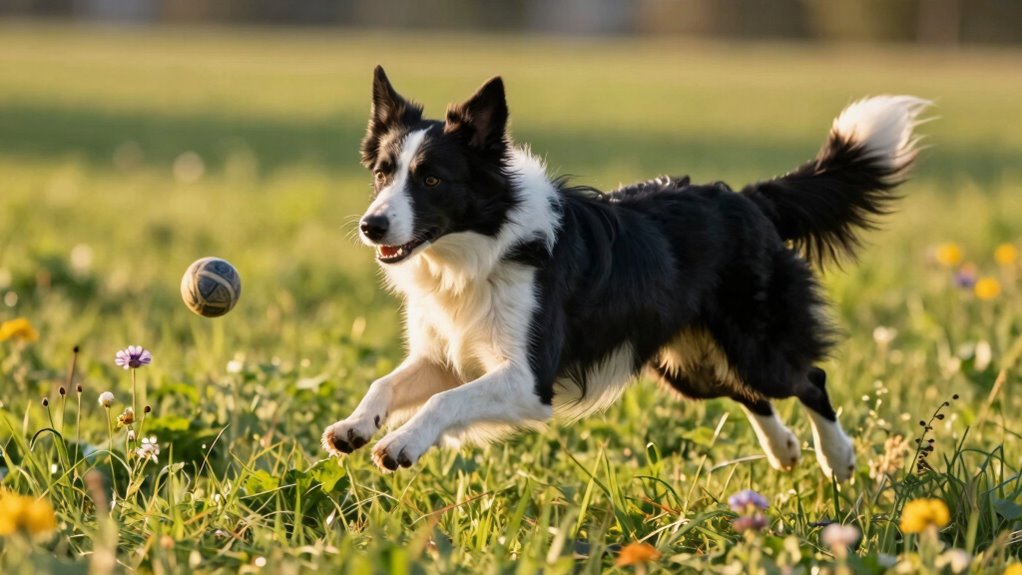
Have you ever wondered why some dog breeds seem naturally driven to chase and hunt? It’s because of their high prey drive, a trait embedded deep within their behavioral tendencies. This instinct isn’t just a quirk; it’s a fundamental part of their nature that influences how they interact with the world around them. For owners, understanding this trait is essential to managing their dog’s behavior and ensuring safety for both pet and surroundings. High prey drive breeds often have an innate desire to chase moving objects, whether it’s squirrels, bicycles, or even children. This instinct can be challenging to control, but with effective training techniques, you can channel their energy productively rather than letting it lead to chaos or accidents.
Training techniques for high prey drive breeds focus heavily on redirecting their natural instincts. Consistency and patience are key. You’ll want to start with basic commands like “leave it,” “come,” and “stay,” practicing them regularly in controlled environments. Using positive reinforcement, such as treats or praise, helps reinforce these commands, encouraging your dog to respond even when they’re excited or distracted. Incorporating short, frequent training sessions keeps their attention and helps establish good habits. It’s also beneficial to introduce mental stimulation through puzzle toys or obedience exercises, which can reduce impulsiveness caused by boredom. When walking, keep your dog on a sturdy leash and consider using a harness to maintain control, especially when they spot something tempting to chase. Additionally, understanding their behavioral tendencies allows you to better anticipate and manage their impulses. Recognizing and respecting these natural instincts is crucial to creating a safe environment for everyone involved. Moreover, understanding their prey drive can help you select suitable activities that satisfy their instincts in a safe manner.
Understanding their behavioral tendencies helps you anticipate and manage their impulses. High prey drive breeds tend to be more alert and energetic, often needing more physical and mental outlets. Without proper outlets, their hunting instincts may manifest as destructive behaviors or excessive barking. Providing outlets like agility courses, fetch, or scent work can satisfy their natural instincts in a controlled way. Socialization is another important piece—exposing them gradually to different environments, people, and animals can help reduce overexcitement and improve impulse control. Remember, patience is essential: it may take time for your dog to learn self-control, especially if their prey drive is particularly strong.
Products Worth Considering

Fi Series 3+ GPS Dog Collar & Tracker, Membership Required, Gray Large

Shark StainStriker Portable Carpet and Upholstery Cleaner, PX202BRN

Shark StainStriker HairPro Portable Carpet and Upholstery Cleaner, PX253BRN
As an affiliate, we earn on qualifying purchases.
Frequently Asked Questions
Can Prey Drive Breeds Be Trained for Therapy Work?
Yes, prey drive breeds can be trained for therapy work with proper prey drive management. You should focus on training prey instincts to channel their energy positively. Consistent, reward-based training helps redirect their natural instincts into calm, controlled behaviors. By managing prey drive effectively, you enable your dog to remain focused and gentle during therapy sessions, making them excellent companions for those in need without the risk of overly reactive or distracted behavior.
Do Prey Drive Levels Vary Among Individual Dogs of the Same Breed?
Prey drive variability visibly varies among individual dogs, even within the same breed. You’ll notice different degrees of drive, driven by breed-specific instincts but also shaped by individual differences. Some dogs display a daring, darting desire, while others demonstrate a more subdued, subtle streak. Understanding this variation helps you tailor training, ensuring that each dog’s unique prey drive aligns with your goals, making interactions more intuitive and effective.
How Does Prey Drive Affect Dog Safety Around Small Animals?
Prey drive greatly impacts your dog’s safety around small animals, increasing bite risk if not managed properly. Dogs with high prey drive tend to chase or attack, risking injury to both parties. To guarantee animal safety, you should implement containment strategies like secure fencing and leashes. Training can also help reduce impulsive chasing, making your dog safer around small animals and minimizing potential dangers.
Are Prey Drive Breeds Suitable for First-Time Dog Owners?
Prey drive breeds can pose challenges for first-time owners, but with proper preparation, they can thrive. Training patience is paramount, as consistent, calm commands build bonds and boundaries. Socialization importance cannot be overstated; exposing your dog to various environments and people helps temper their instincts. If you’re committed to consistent training and socialization, these breeds can become loyal, lovable companions, even for those new to dog ownership.
What Are Common Behavioral Challenges With High Prey Drive Dogs?
Prey drive triggers can lead your high prey drive dog to chase moving objects or small animals, causing behavioral challenges. You’ll notice issues like excessive barking, digging, or difficulty focusing. To manage this, provide environmental enrichment that channels their energy positively, such as interactive toys or agility exercises. Consistent training and mental stimulation help reduce impulsive chasing, ensuring your dog stays engaged and less prone to problematic behaviors.
Conclusion
Understanding high prey drive breeds can truly transform your daily life with your dog. Did you know that nearly 70% of these breeds excel in agility and obedience when properly trained? This statistic proves their potential, but it also highlights the importance of patience and consistent guidance. Embrace their energetic nature, and you’ll build a stronger bond while channeling their instincts positively. With the right approach, your high prey drive dog becomes not just a pet, but a loyal, talented companion.