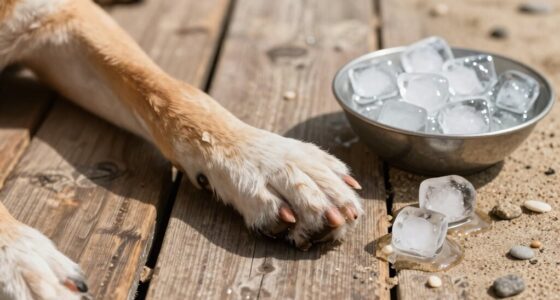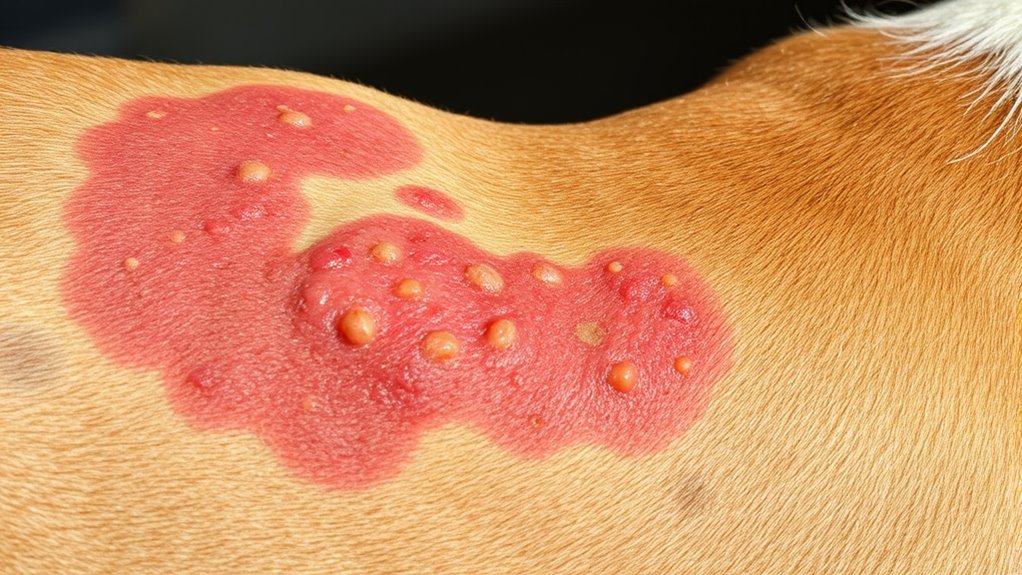

If your dog is scratching, licking, or showing skin changes, it could be due to common issues like allergies or bacterial infections. Allergies may come from pollen, food, or shampoos, while bacterial infections often develop from skin damage. Treatments include medicated shampoos, dietary adjustments, and vet-recommended medications. Early action helps prevent discomfort and more serious health problems. To better understand how to care for your furry friend, you’ll find helpful tips as you explore this topic further.

Get pet supplies delivered free — and shop member deals
- Fast, free delivery on millions of items
- Access to Prime Big Deal Days deals on October 6–7
- Prime Video, Amazon Music and more included
Key Takeaways
- Skin conditions in dogs often result from allergies, bacterial infections, or environmental factors.
- Allergic reactions cause redness, itching, hair loss, and may lead to secondary infections.
- Bacterial infections present with inflamed, oozing skin, and foul odor, requiring antibiotics.
- Proper hygiene, medicated shampoos, and early treatment help prevent and manage skin issues.
- Veterinary diagnosis and tailored treatments are essential for effective management of skin conditions.
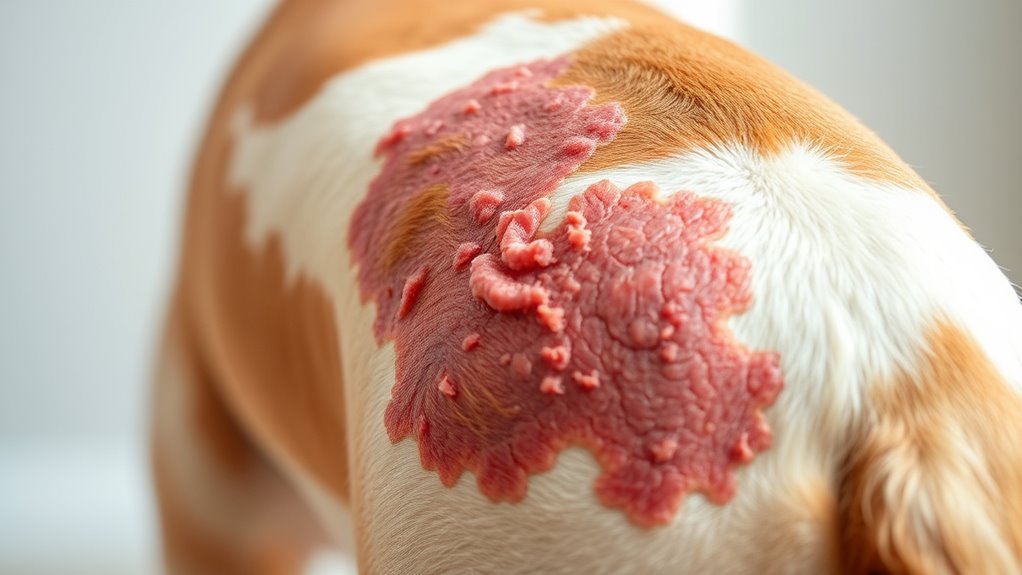
Skin conditions are among the most common health issues faced by dogs, affecting their comfort and overall well-being. When your dog starts scratching excessively, licking their paws, or developing noticeable skin changes, it’s often a sign that something’s off. Two of the most frequent causes of skin problems are allergic reactions and bacterial infections. Recognizing these issues early can help you get your dog the right treatment and relief faster.
Allergic reactions are a common culprit behind many skin problems in dogs. They can be triggered by environmental factors like pollen, mold, or dust mites, or by certain foods and substances such as shampoos or flea treatments. When your dog has an allergic reaction, you might notice redness, swelling, itching, or even hair loss in affected areas. Sometimes, allergies lead to secondary bacterial infections because the constant scratching and biting break the skin’s surface, allowing bacteria to invade and cause further inflammation. If you see your dog scratching intensely or developing hot spots, consider whether an allergy might be involved. Identifying and eliminating the allergen is essential; your vet can help with allergy testing or recommend hypoallergenic diets and medications like antihistamines to reduce symptoms.
Allergies in dogs can cause skin irritation and lead to bacterial infections if untreated.
Bacterial infections often develop as a complication of other skin conditions. They usually present as red, inflamed patches that may ooze pus or have a foul odor. Dogs with compromised skin barriers from allergies, insect bites, or injuries are more vulnerable to bacterial invasion. These infections can cause discomfort, pain, and even fever if left untreated. Your vet might diagnose a bacterial infection through skin scrapings or cultures, and treatment typically involves antibiotics to clear the infection. Proper hygiene is vital—regular bathing with medicated shampoos and keeping your dog’s skin dry can help prevent bacterial overgrowth. Sometimes, the infection is accompanied by other issues like yeast overgrowth, which also requires specific treatment. Additionally, veterinary diagnostics can help determine the precise cause and guide effective treatment strategies.
While allergic reactions and bacterial infections are common, they are manageable with prompt veterinary care. You should monitor your dog closely for signs of skin irritation, hair loss, or unusual odors. Addressing allergies may involve changing their environment or diet, while bacterial infections often require medication and good hygiene practices. Never attempt to treat skin issues with human medications, as some can be toxic to dogs. By understanding these common causes and seeking timely professional advice, you can help your dog regain healthy skin and comfort. Remember, early intervention not only alleviates your dog’s discomfort but also prevents more serious complications down the line.
medicated dog shampoo for skin allergies
As an affiliate, we earn on qualifying purchases.
As an affiliate, we earn on qualifying purchases.
Frequently Asked Questions
Can Diet Changes Help Prevent Skin Conditions in Dogs?
Yes, diet improvements can help prevent skin conditions in your dog. By feeding a balanced diet rich in essential fatty acids and high-quality proteins, you support healthy skin and coat. Nutritional supplements like omega-3 and omega-6 fatty acids can reduce inflammation and itchiness. Regularly reviewing and adjusting your dog’s diet can make a significant difference in maintaining healthy skin and preventing common skin issues.
How Do I Differentiate Between Allergies and Infections?
Think of your dog’s skin as a battlefield; allergies and infections each leave different marks. Allergies often cause itching, redness, and swelling, while infections might lead to pus, foul odor, or crusting. To tell them apart, look at symptom comparison and consult your vet for diagnostic tests. These tests identify the root cause, guiding effective treatment and helping you protect your furry friend’s health.
Are There Natural Remedies for Canine Skin Issues?
Yes, you can try natural remedies for your dog’s skin issues. Herbal remedies like chamomile or aloe vera soothe irritation, while dietary supplements such as omega-3 fatty acids promote healthy skin and a shiny coat. Always consult your vet before starting any herbal or supplement regimen to guarantee safety and proper dosage. These natural options can complement your dog’s treatment plan and help improve their skin health over time.
How Often Should I Bathe My Dog for Skin Health?
Did you know that over 60% of dog owners bathe their pets too often? For ideal skin health, you should bathe your dog once every 4-6 weeks, depending on their breed and activity level. Regular dog grooming helps maintain skin hydration and prevents dryness or irritation. Over-bathing strips natural oils, so stick to this schedule to keep your dog’s skin healthy, shiny, and itch-free.
When Should I See a Vet for My Dog’s Skin Problem?
You should see a vet if your dog shows signs of skin infection symptoms like redness, swelling, or pus, or if you suspect dog skin allergies causing itching or hair loss. Don’t wait if your dog scratches excessively, develops sores, or has persistent dandruff. Prompt veterinary attention guarantees proper diagnosis and treatment, preventing the condition from worsening. Early intervention helps your dog feel comfortable and healthy again.
Conclusion
By understanding these common skin conditions, you can better care for your furry friend’s delicate coat. With gentle attention and timely treatments, you help keep their skin happy and healthy, allowing them to enjoy life’s simple pleasures. Remember, a little extra care goes a long way in maintaining their comfort and well-being. When in doubt, consult your veterinarian to make sure you’re providing the best possible care, turning skin concerns into mere whispers of the past.
Fall Picks
fall essentials
As an affiliate, we earn on qualifying purchases.